








Kerala Faces Potential Power Crisis as Demand Surges and Monsoon Fails
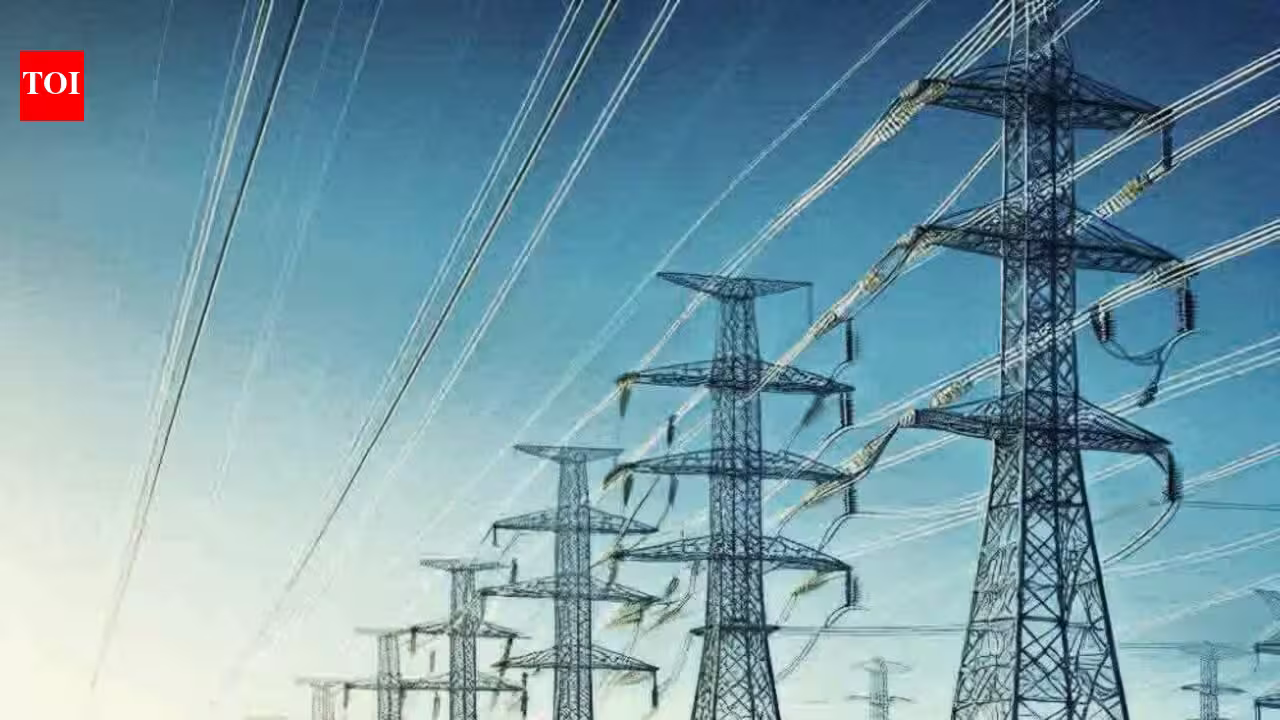
Thiruvananthapuram: The state of Kerala is bracing for a difficult period of power instability as the Kerala State Electricity Board (KSEB) struggles to bridge a widening gap between surging energy demand and limited supply. Amid a lackluster monsoon season and persistent high temperatures, officials have warned that the state may be forced to implement widespread load restrictions to prevent grid failure.
The KSEB has already initiated partial power curbs during evening peak hours over the recent weekend, signaling that the current situation is far from stable. With demand showing no signs of cooling, the Board has indicated that more stringent measures may be inevitable in the coming days.
A Perfect Storm of Rising Demand and Supply Shortfalls
The current crisis is driven by a combination of atmospheric heat and an unusually high appetite for electricity. According to recent data, Kerala’s power consumption has spiked significantly compared to previous years. Officials report that peak-hour demand over the last several days has surged by 500 to 800 megawatts (MW) over the figures recorded in September last year.
Compounding this local pressure is a national energy shortage. An advisory from the Grid Controller of India highlighted a 12,000MW shortfall across the country, which has severely restricted the KSEB’s ability to procure additional power through the energy exchange. Furthermore, the state is dealing with an unexpected dip in power received from central generating stations, leaving the local grid in a precarious position.
Reliance on Imports vs. Internal Capacity
Data from Friday underscored the state’s heavy reliance on external sources. Out of the 94.03 million units (MU) consumed that day, a massive 67.57 MU had to be imported, while internal generation contributed only 26.45 MU.
The state’s hydel power stations, which usually serve as the backbone of Kerala’s energy security, are operating under stress. While major plants like Idukki, Sabarigiri, and Kuttiyadi continue to feed the grid, the cumulative internal generation for the month stands at just 109.39 MU against a total consumption of 370.54 MU. Without consistent rainfall to replenish reservoirs, the state’s internal generation capacity remains constrained.
Looking Ahead: Seeking Sustainable Solutions
The KSEB has cautioned that residents should prepare for potential outages, particularly between the hours of 6:00 PM and midnight. These restrictions are subject to real-time grid conditions and the availability of affordable power on the energy exchange. As of now, senior officials state that there is no immediate relief on the horizon, as affordable energy remains scarce in the open market.
To mitigate the impact of such shortages in the future, the state government is now prioritizing the establishment of a robust battery energy storage system. By storing energy during off-peak hours and deploying it when demand peaks, the Board hopes to reduce the state’s extreme dependence on external power exchanges and provide a buffer against similar weather-induced crises. For now, however, the administration is urging the public to practice energy conservation during peak hours to help stabilize the state’s fragile power grid.
Disclaimer: This content is auto-generated and paraphrased.
Source: Read Original News