








Centre Rules Out Single Pathogen in Balaghat Child Deaths; Multi-Pronged Response Underway
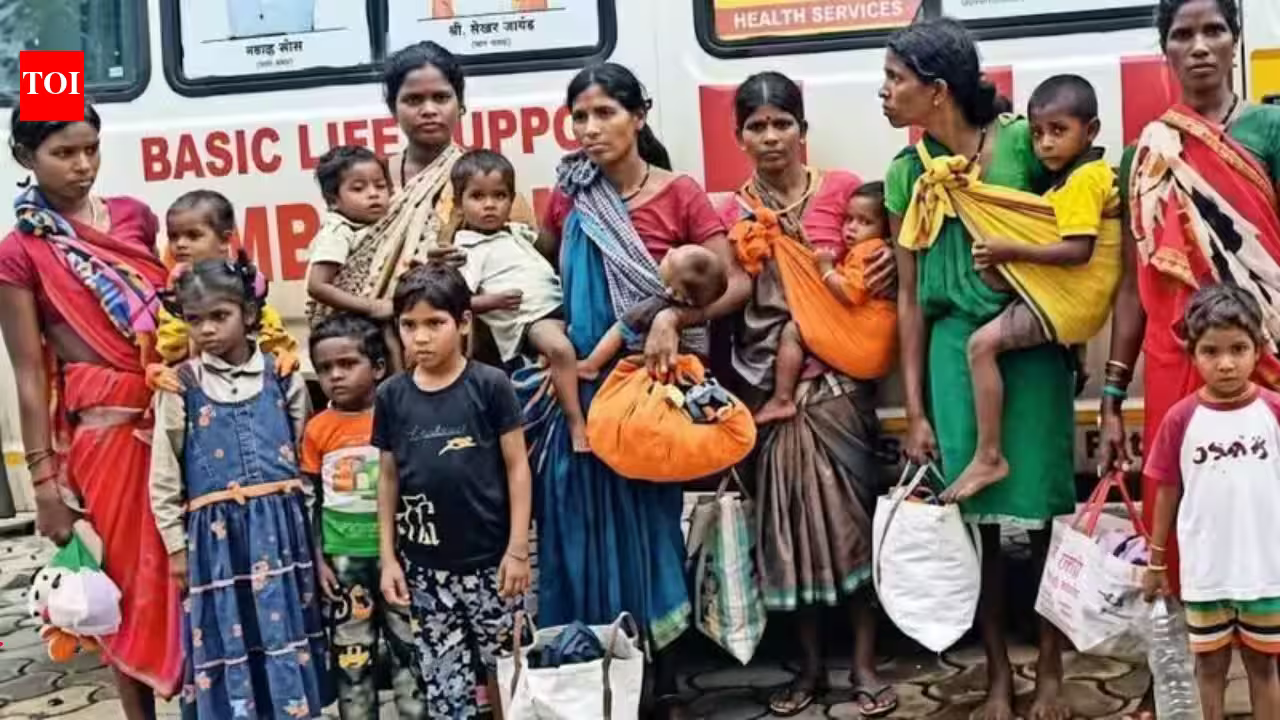
NEW DELHI: A comprehensive central investigation into the concerning cluster of illnesses affecting tribal children in Madhya Pradesh’s Balaghat district has concluded that there is no single underlying pathogen responsible for the fatalities. Instead, health authorities have identified a complex interplay of clinical factors contributing to the mortality rate in the region.
According to findings released by the Union Health Ministry, the deceased children presented with a variety of overlapping conditions, including malaria, measles, severe anaemia, malnutrition, respiratory distress, and dehydration. In many instances, experts noted that co-infections and clinical shock exacerbated the health crisis, making it difficult to pin the deaths on one specific disease.
Intensified Surveillance and Medical Intervention
In response to the escalating situation, the government has launched a massive public health outreach. Since the mobilization of resources, health teams have successfully screened over 32,000 residents, expanding the surveillance net from an initial three villages to approximately 50.
Current data indicates that 431 children have required admission to specialized health facilities to manage their symptoms. Of those, 379 have been discharged following recovery, while 52 children remain under active medical observation and treatment.
A National Joint Outbreak Response Team (NJORT), alongside specialized units from the Indian Council of Medical Research (ICMR) and the Netaji Subhash Chandra Bose Medical College, Jabalpur, has been deployed to the ground. These teams are conducting rigorous laboratory assessments, entomological studies, and mortality reviews to better understand the transmission patterns in the remote tribal pockets.
Challenges in Clinical Assessment
A significant hurdle for investigators has been the lack of comprehensive medical records for several early cases. Many children passed away at home or prior to reaching a qualified medical facility, preventing doctors from collecting the necessary diagnostic specimens. To address this, authorities are now conducting case-wise retrospective reviews and utilizing verbal autopsies to piece together the clinical history of the affected victims.
The government’s strategy is heavily focused on preventive care and community support. To bolster immunity against communicable diseases, over 14,600 children between the ages of one and ten have been administered an additional dose of the Measles-Rubella (MR) vaccine. Environmental health measures have also been prioritized, with more than 600 drinking-water sources sanitized and extensive insecticide spraying carried out across 4,338 households to curb vector-borne transmission.
Focus on Vulnerable Populations
The government’s screening program has highlighted the deep-rooted health disparities in the region, identifying over 7,700 children suffering from severe acute malnutrition. Of this group, 518 have been transferred to specialized Nutrition Rehabilitation Centres for intensive care. Additionally, medical units have identified and treated more than 13,000 cases of diarrhoea and hundreds of severe pneumonia cases.
To ensure sustained medical coverage, six Mobile Medical Units, complemented by over 20 doctors and Community Health Officers, are currently operating in the Birsa and Baihar blocks.
Officials have expressed cautious optimism as the situation stabilizes. For the first time in the ongoing crisis, no new cases of measles have been reported in Balaghat over the past week. However, the Health Ministry remains on high alert, with surveillance protocols set to continue indefinitely, particularly within remote habitations and settlements belonging to Particularly Vulnerable Tribal Groups (PVTGs).
Disclaimer: This content is auto-generated and paraphrased.
Source: Read Original News