








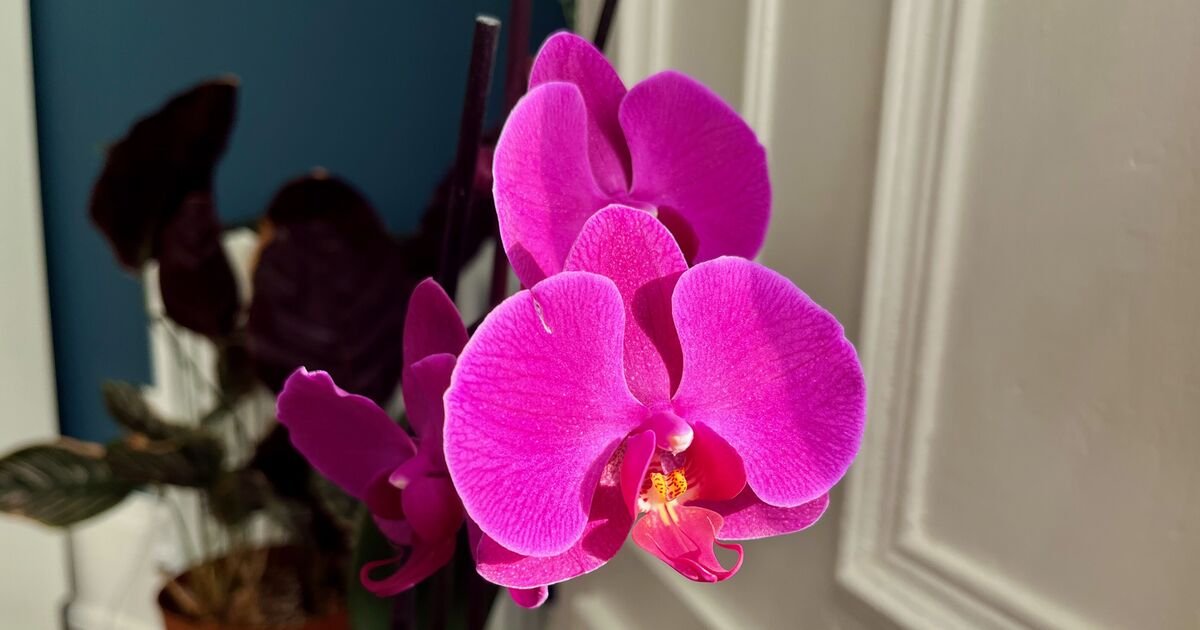
For many of us, the indoor garden is a source of constant pride. We manage to keep trailing vines, dramatic monsteras, and delicate prayer plants thriving, yet the humble orchid remains a total mystery. It is the one houseplant that seems determined to wither no matter how much love, water, or sunlight we throw its way. If you have spent years watching your supermarket orchid slowly brown and fade into a leafless stick, take heart. It turns out, the secret to success is not a green thumb or expensive fertilizers; it is learning to listen to what the plant is trying to show you.
The Root of the Matter
The biggest mistake most of us make with orchids is treating them like standard potted plants. In their natural environment, these beauties grow on trees rather than in soil. This means their roots are designed to catch moisture from the air rather than sitting in a dense, water-logged medium. If you have been watering your orchid on a set schedule—perhaps every Monday morning—you might be overdoing it.
The real trick is to stop looking at the leaves and start looking at the roots. Orchids usually come in clear plastic pots for a specific reason: to let light hit the roots and to show you exactly how thirsty the plant is. If the roots are a bright, healthy green, your plant is well-hydrated. If they fade to a dull, silvery-grey, it is time for a drink. If they look mushy or dark, you are likely drowning them. Keeping an eye on this color change is the single most effective way to prevent the dreaded root rot that kills so many indoor orchids.
Mastering the Watering Technique
Once you recognize the signs of thirst, the method of watering is just as important. Pouring water directly over the top of an orchid can sometimes cause moisture to settle in the crown of the plant, which often leads to rot. Instead, many experienced growers prefer bottom-watering. By placing the inner plastic pot into a bowl of tepid water for a short soak, you allow the roots to absorb exactly what they need through drainage holes at the bottom.
After about fifteen minutes, lift the plant out and let the excess water drip away completely before putting it back into its decorative cover pot. Every few months, you can perform a quick top-down flush with fresh water to clear out any salt or mineral buildup from the potting bark. This gentle, periodic rinse keeps the medium fresh and ensures the roots stay happy and breathable.
Finding the Perfect Spot
Orchids crave bright, indirect light. While they love the sun, they are not fans of direct, scorching rays, which can burn their sensitive leaves. A windowsill with a sheer curtain or a spot in a room that gets plenty of natural light throughout the day is ideal. If you notice the leaves turning a very dark, dull green, your plant is likely not getting enough light to produce those beautiful blooms. Conversely, leaves that show red or brown tinges might be getting too much direct heat. Finding that balance is a bit of a trial-and-error process, but once you find a spot where the plant stops losing leaves and starts looking perky, leave it be.
Less is Often More
Perhaps the most challenging part of orchid care is the art of being hands-off. We tend to want to fuss over our plants, but orchids truly do flourish when left alone. Once you have established a rhythm of checking the roots and providing light, you do not need to constantly prune or feed them. They are slow, steady growers that appreciate consistency over intensive intervention.
If you are prone to forgetting about your plants, try removing the orchid from its decorative cover pot permanently. While it might look a little less polished to have a plastic nursery pot sitting on your shelf, having the roots visible ensures you never miss that tell-tale silver hue. It turns the plant into a low-maintenance, visual indicator that tells you exactly when it needs attention. With this simple shift in perspective, you might find yourself with a window full of vibrant, long-lasting flowers rather than just a collection of pots waiting for a miracle. Sometimes, the best way to help a plant grow is simply to provide the right environment and then step back to watch it do its work.
Disclaimer: This content is auto-generated for informational purposes only.
Source: Read Original News