








A Significant Shift in Xbox Cloud Gaming Strategy
Microsoft is fundamentally altering the trajectory of its Xbox Cloud Gaming service. Effective November 2026, the company will implement strict monthly usage caps on cloud streaming for Xbox Game Pass subscribers. This decision marks a departure from the previous standard of unlimited access, signaling a major transition in the service’s business model. Under the new framework, Xbox Game Pass Ultimate members will be limited to 15 hours of cloud gaming per month. Users on other tiers, such as Premium and Essential, will face even tighter restrictions, capped at 10 hours and 5 hours respectively.
While Microsoft estimates that these changes will impact approximately 4% of its subscriber base, that figure still encompasses over a million individual users. The timing of this announcement has drawn attention due to Microsoft’s ongoing expansion of the service to new hardware, including recent support for TCL smart TVs alongside existing support for LG and Samsung platforms. This expansion into the living room appears contradictory to a model that now restricts how much time users can spend engaging with the product.
Competitive Pressures and Market Positioning
The decision to impose caps places Xbox Cloud Gaming in an awkward position relative to its primary competitor, NVIDIA GeForce Now. While GeForce Now also employs a tiered system that includes usage limits, its structure is notably more generous. High-tier GeForce Now subscribers currently enjoy up to 100 hours of monthly gameplay, with a carry-over feature for unused time. Furthermore, the technical performance of the NVIDIA service, characterized by superior bitrates and reduced latency, continues to set a high bar for the industry.
Xbox Cloud Gaming previously maintained a competitive advantage through its ease of use, deep integration with the Xbox ecosystem, and a comprehensive library of games available via the Game Pass catalog. By contrast, GeForce Now relies heavily on games that users must already own on external storefronts like Steam. However, a 15-hour monthly cap creates a substantial barrier for gamers who intend to play large, narrative-driven titles. Many modern games require dozens of hours for a standard playthrough, meaning a monthly cap could force players to spread a single game session across multiple months, severely degrading the service’s utility.
The Role of Remote Play as a Secondary Alternative
As the viability of cloud-first gaming decreases, attention has turned toward Xbox Remote Play, which allows users to stream games directly from their own home console to other devices. This feature has historically been viewed as a secondary benefit rather than a primary solution. Despite being a functional tool for streaming games over local networks, the current iteration of Remote Play is generally limited to 1080p output. This limitation fails to utilize the full power of the current-generation Series X hardware, which is capable of much higher fidelity.
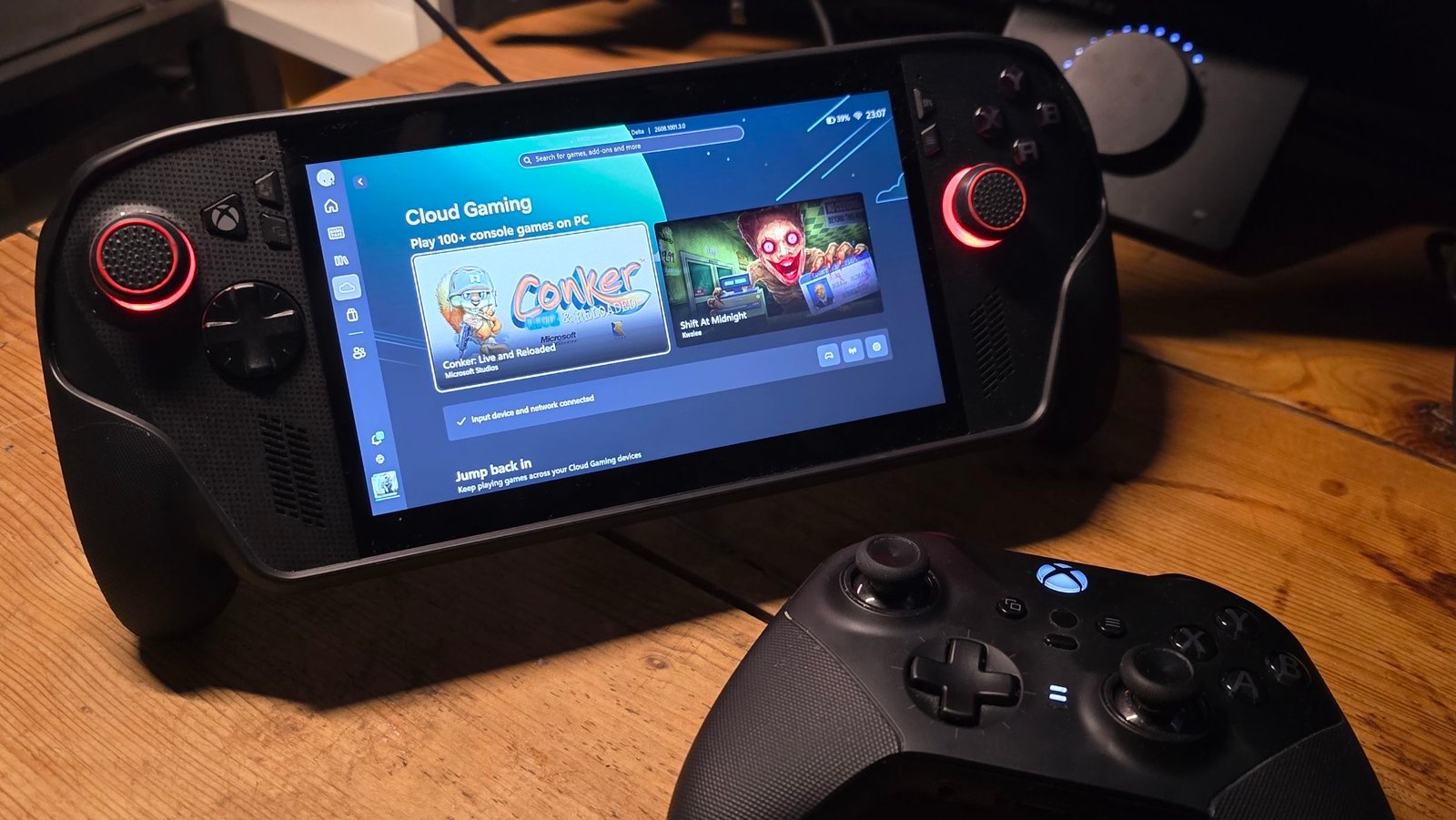
While there are reports that Microsoft is currently testing 1440p streaming for Remote Play within its Insider program, this remains a work-in-progress solution. For users who rely on handheld devices such as the Logitech G Cloud or entry-level Windows-based handhelds, the combination of cloud usage caps and the limitations of Remote Play creates a significant frustration. Without a robust, high-quality streaming alternative, consumers who do not own local console hardware face a diminished value proposition regarding their subscription fees.
Infrastructure Constraints and the AI Factor
The shift in cloud policy is largely attributed to the immense resource demands placed on Microsoft’s server infrastructure. The current global focus on artificial intelligence has created a high demand for compute power and memory, forcing a prioritization of resources within the Azure ecosystem. Server racks that were once dedicated to gaming workloads are increasingly being repurposed for more lucrative AI tasks.
Maintaining the hardware required for 24/7 cloud streaming is an expensive endeavor, involving high energy costs and the constant need for component maintenance. The internal view at Microsoft appears to be that the costs associated with supporting heavy cloud users have reached a point where the business model is no longer sustainable without such restrictions. This “RAMpocalypse,” where AI compute demands outpace infrastructure supply, has effectively demoted cloud gaming from a primary focus to a secondary service that must be constrained to maintain operational margins.
Long-term Implications for Cloud Gaming
The introduction of these caps serves as an admission that the current business model for cloud-based gaming remains difficult to scale. By placing strict limits on usage, Microsoft is essentially attempting to manage its server utilization to protect the bottom line during a period of massive internal restructuring. This approach contrasts sharply with the company’s willingness to provide free, unrestricted access to resource-heavy services like Microsoft Copilot for its Windows user base.
The broader implication is that the industry’s push toward “cloud-first” gaming may be stalling. As hardware costs rise and cloud infrastructure is diverted toward more profitable generative AI workloads, consumer access to high-end cloud gaming appears to be retreating. For the gaming community, these restrictions raise significant questions about the long-term feasibility of a cloud-dependent future. If a tech giant as large as Microsoft cannot justify the cost of unlimited cloud gaming, it suggests that the vision of a console-less, cloud-powered future may face substantial roadblocks in the years to come.
Disclaimer: This content is auto-generated for informational purposes only.
Source: Read Original News