







A Rapid Market Debut for Rebel Wolves
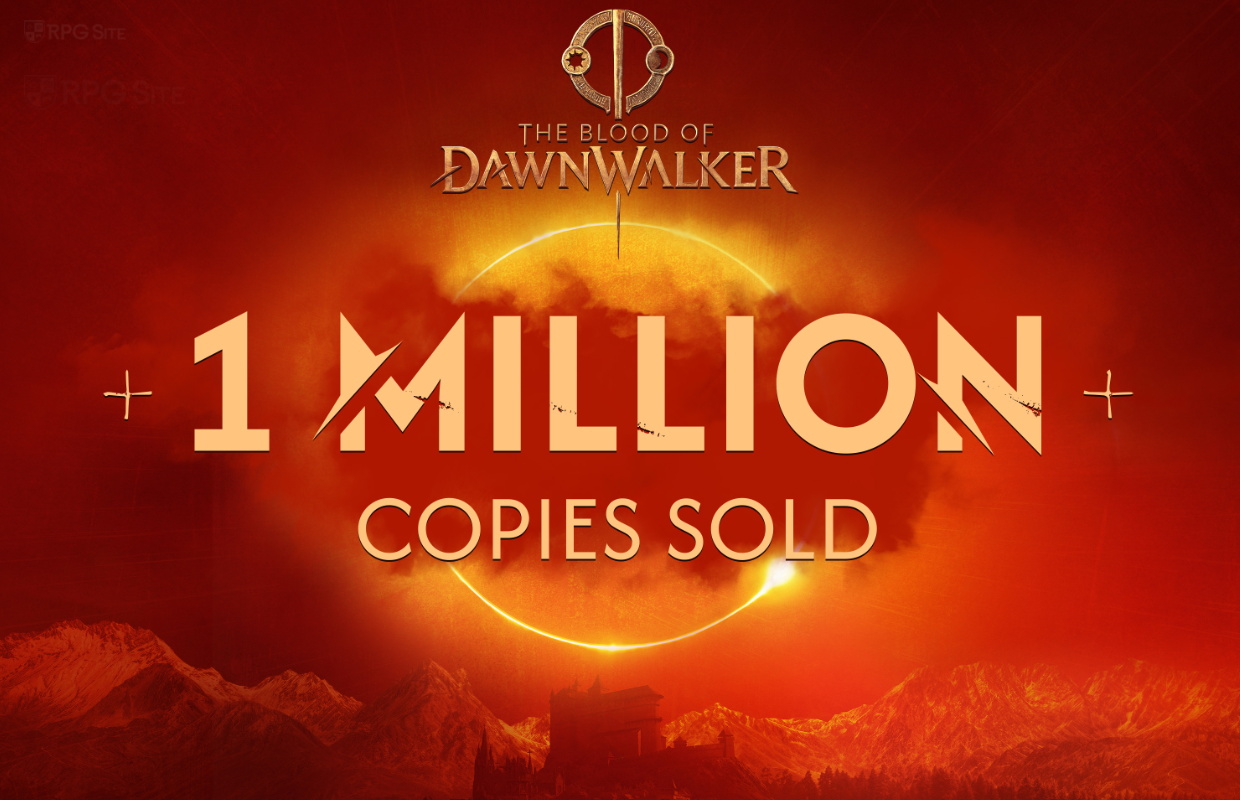
The gaming industry often views new intellectual property (IP) as a high-risk investment, yet The Blood of Dawnwalker has defied conventional wisdom. Published by Bandai Namco and developed by the newcomer studio Rebel Wolves, the game achieved a milestone of 1 million copies sold within just 48 hours of its September 3, 2026, release. This figure covers sales across PC, PlayStation 5, and Xbox Series X/S platforms, signaling a robust consumer appetite for original dark fantasy narratives.
Rebel Wolves, founded in 2022, is led by industry veterans including former Witcher 3 director Konrad Tomaszkiewicz. The rapid commercial success of this first major project positions the studio as a significant player in the high-fidelity role-playing game (RPG) market. For a studio in its infancy, reaching a seven-figure sales mark in two days is a testament to the marketing strength provided by Bandai Namco and the credibility of the creative team behind the project.
Core Mechanics and Narrative Design
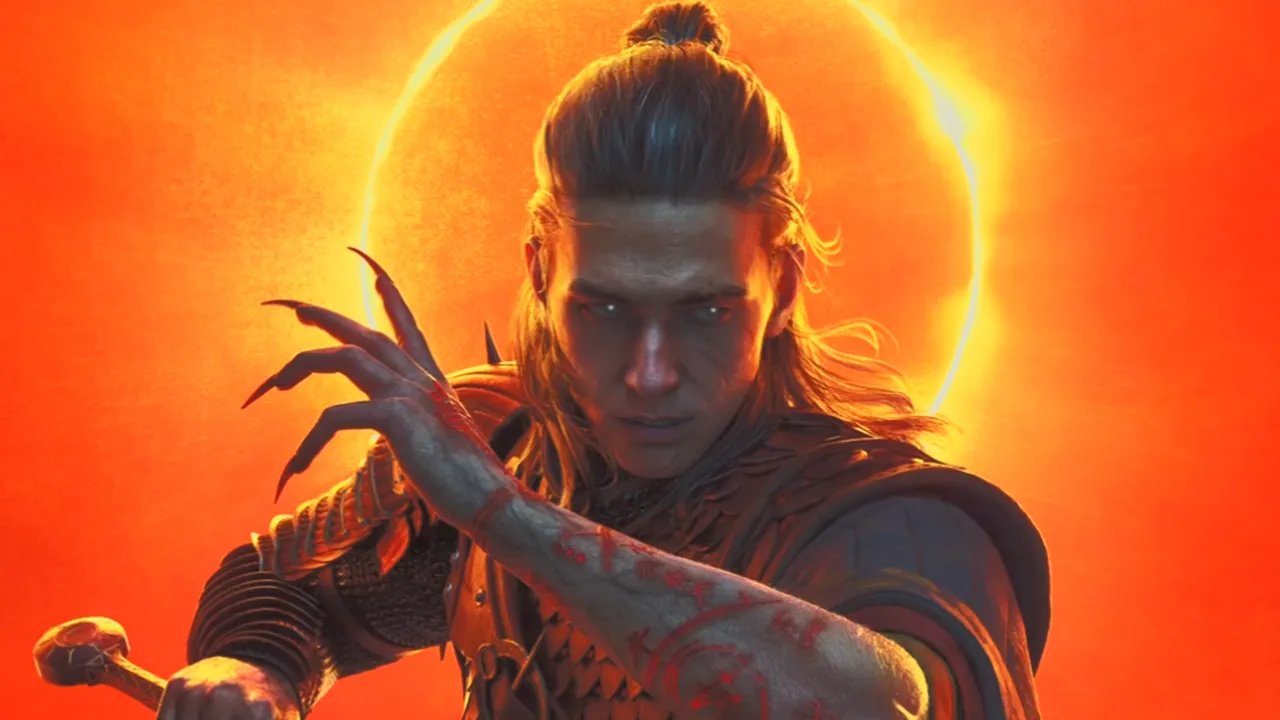
Set against the backdrop of 14th-century Europe, The Blood of Dawnwalker centers on the character Coen. The gameplay loop is defined by a dual-identity system: players navigate the world as a human during daylight hours, while utilizing vampiric abilities at night. This duality extends to the core design of the player experience, where narrative choices directly impact the world state.
A distinctive technical constraint implemented by the developers is a 30-day in-game clock. This time limit functions as a structural anchor, forcing players to prioritize objectives and manage their resources with precision. While this design choice has polarized the player base—with some appreciating the urgency and others seeking to circumvent the limitation via third-party modifications—it illustrates a willingness to prioritize creative vision over traditional open-world design tropes. By emphasizing decision-making under pressure, the title differentiates itself from the standard sandbox RPG format.
Vision for a Trans-Historical Franchise
The scope of The Blood of Dawnwalker is intended to be the foundation for an expansive, multi-generational saga. Studio leadership has confirmed that future installments will not adhere to a single time period or geographic location. Instead, the franchise is designed to span centuries and continents, exploring various cultures as the overarching plot moves forward.
To ensure long-term sustainability, the developers have structured each entry as a standalone experience. Unlike many modern sagas that rely on cliffhangers, Rebel Wolves intends to deliver complete stories in every game. The narrative director, Jakub Szamałek, has noted that while each game stands alone, astute players will find subtle connective tissue—referred to as “breadcrumbs”—that link the various historical settings into a singular, cohesive mythology. This strategy allows the studio to maintain creative flexibility while rewarding long-term fans of the series.
Technical Execution and Reception
The success of the title is bolstered by positive critical reception, with major publications praising its complex character writing and atmospheric world-building. Technically, the game has been noted for its integration of high-fidelity assets and narrative density, managing to balance the demands of an open-world environment with the intricacies of an RPG choice system.
The studio’s transition from high-profile development at established firms like CD Projekt Red to an independent setting has clearly influenced the production values of their first release. The focus on a “bloody cocktail” of mechanics—combining traditional swordplay with supernatural character abilities—has resulted in a gameplay experience that feels both familiar to fans of the genre and distinct enough to capture a large audience.
Long-term Studio Aspirations
Looking forward, the commercial momentum of The Blood of Dawnwalker provides Rebel Wolves with the capital and leverage required to pursue an ambitious roadmap. The studio has openly discussed aspirations to establish multiple new IPs, mirroring the growth trajectories of larger, established developers. By establishing a strong foundation with this first release, the team in Warsaw has validated its internal development processes and creative strategy.
The partnership with Bandai Namco continues to be a crucial component of this lifecycle. As the studio looks toward future development cycles, the focus will likely remain on refining the core pillars of their RPG formula: deep player agency, non-traditional narrative structures, and high-quality dark fantasy storytelling. With a million-copy head start, the studio is now in the rare position of being able to iterate on its existing technology and narrative frameworks with significant public support.
Disclaimer: This content is auto-generated for informational purposes only.
Source: Read Original News