









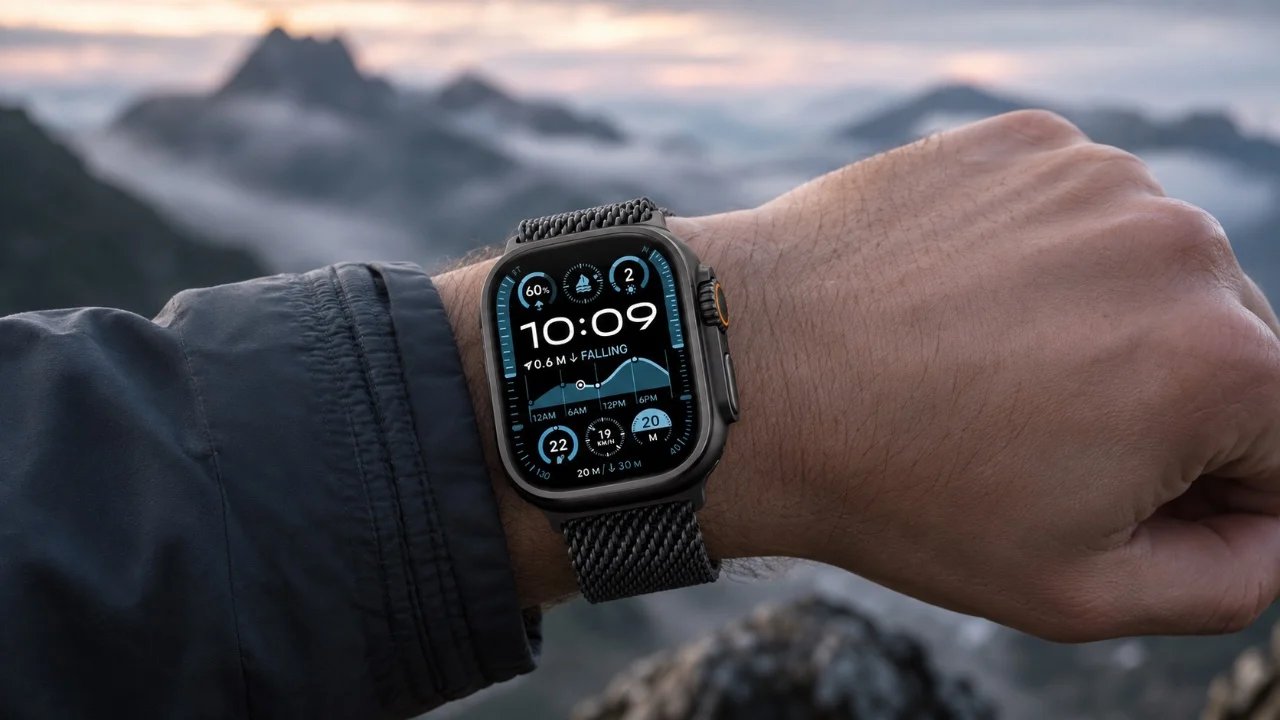
The upcoming release of the Apple Watch Series 12 and the Apple Watch Ultra 4 marks a strategic pivot for the Cupertino company. Rather than pursuing radical physical transformations that could alienate long-term users, Apple is prioritizing internal architecture, sensor precision, and material longevity. Expected to debut in September 2026, these devices serve as a testament to the maturation of the smartwatch category, where the focus has shifted from novelty to utility and high-fidelity health diagnostics.
Design and Material Innovation
In an era where consumer electronics are often defined by rapid aesthetic shifts, Apple is taking a restrained approach. The Series 12 and Ultra 4 are expected to retain the foundational design language established in recent generations, ensuring that existing proprietary bands and accessories remain compatible. However, the introduction of a premium ceramic casing—offered in stark white and muted dark gray—signals a return to luxury materials that offer both physical durability and a distinct visual departure from the standard aluminum and stainless steel chassis.
Beyond the casing, the ecosystem of watch bands is slated for expansion. By providing new textures and specialized finishes, Apple is addressing the demand for personalization without compromising the structural integrity of the watch housing. For the Ultra 4, the emphasis remains on utilitarian design, utilizing aerospace-grade materials that withstand the high-impact environments characteristic of extreme sports and maritime activities.
Next-Generation Silicon and Computational Efficiency
At the heart of both models lies a highly anticipated processor upgrade, likely designated as the S11 or S12 chip. The transition to this new silicon represents more than just a marginal speed boost; it is an architectural necessity to support advanced on-device processing. By increasing the clock speed and improving energy efficiency, the new chip enables faster app loading and more responsive interface navigation.
Crucially, this processor supports expanded artificial intelligence capabilities. By running complex health-tracking algorithms locally, the watch can process data points in real time without necessitating constant cloud connectivity. This allows for superior battery management and ensures that biometric analysis, such as movement pattern recognition and sleep staging, remains private and secure. The improved performance ensures that the device can handle future software updates without the degradation in responsiveness that often plagues older hardware.
Advanced Health Monitoring Capabilities
Health-focused diagnostics remain the primary driver for Apple Watch adoption, and the upcoming models aim to bridge the gap between consumer electronics and medical-grade monitoring. The most significant development is the integration of a blood pressure notification system. While this technology requires regulatory oversight, it is designed to alert users to chronic elevations in blood pressure that might otherwise go unnoticed.
In addition, the devices will likely feature refined continuous heart rate monitoring. By optimizing the sensor array, Apple intends to provide more granular data regarding heart rate variability and recovery metrics. The Ultra 4 is expected to include specialized sensors for athletes, capable of tracking oxygen saturation levels with higher precision during strenuous activity. These metrics provide professional-grade insights, assisting users in optimizing their training loads while minimizing the risk of overexertion.
Battery Longevity and Power Management
Battery life remains the most scrutinized metric for wearable devices. While traditional lithium-ion technology has hit a plateau, the efficiency gains from the new processor allow for improved endurance in the Series 12 and Ultra 4. By integrating low-power display drivers and smarter background task management, the watch can sustain higher performance levels for longer durations.
For users engaged in multi-day excursions or those who prefer to wear their device continuously for sleep tracking, these incremental power savings are critical. The combination of a higher energy density battery and the efficient S12 chip allows for a more reliable, “always-on” experience. This reliability is vital for the Ultra 4, which is intended for users who may not have ready access to power for extended periods, reinforcing the device’s reliability in off-grid scenarios.
Market Positioning and Future Trends
As the market for wearables becomes increasingly saturated, the pricing strategy for the upcoming lineup suggests a shift toward premium tiering. The Series 12 may see a slight price escalation, reflecting the integration of higher-quality materials and more sophisticated internal components. This adjustment positions the device as a high-value tool rather than a mass-market accessory.
Looking ahead, while 2026 is defined by refinement, industry indicators suggest that Apple is investing in next-generation display technologies and non-invasive glucose monitoring, which may debut in the 2027 or 2028 product cycles. By maintaining a focus on reliability and feature sets that have direct impacts on user health, the Apple Watch continues to solidify its role as an indispensable piece of personal technology. For those currently using older hardware, the Series 12 and Ultra 4 provide a compelling reason to transition, balancing proven design with essential, performance-driven updates that cater to the evolving needs of the modern, health-conscious consumer.
Disclaimer: This content is auto-generated for informational purposes only.
Source: Read Original News