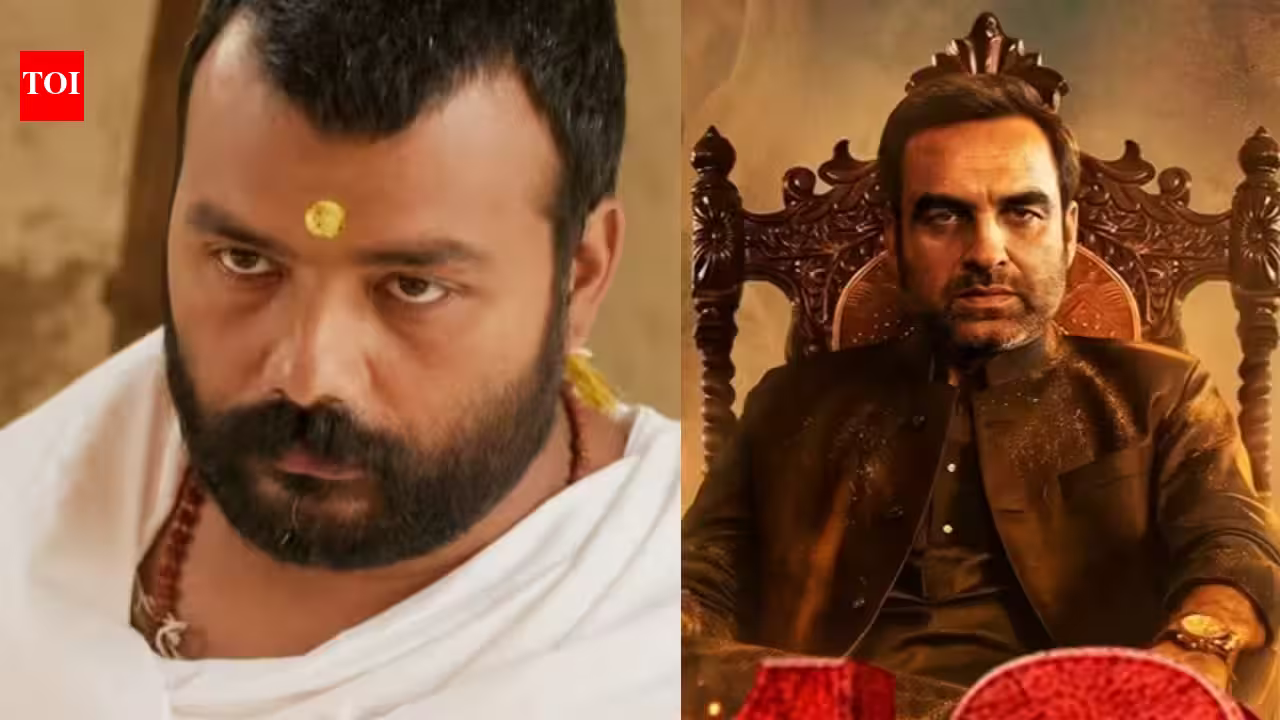








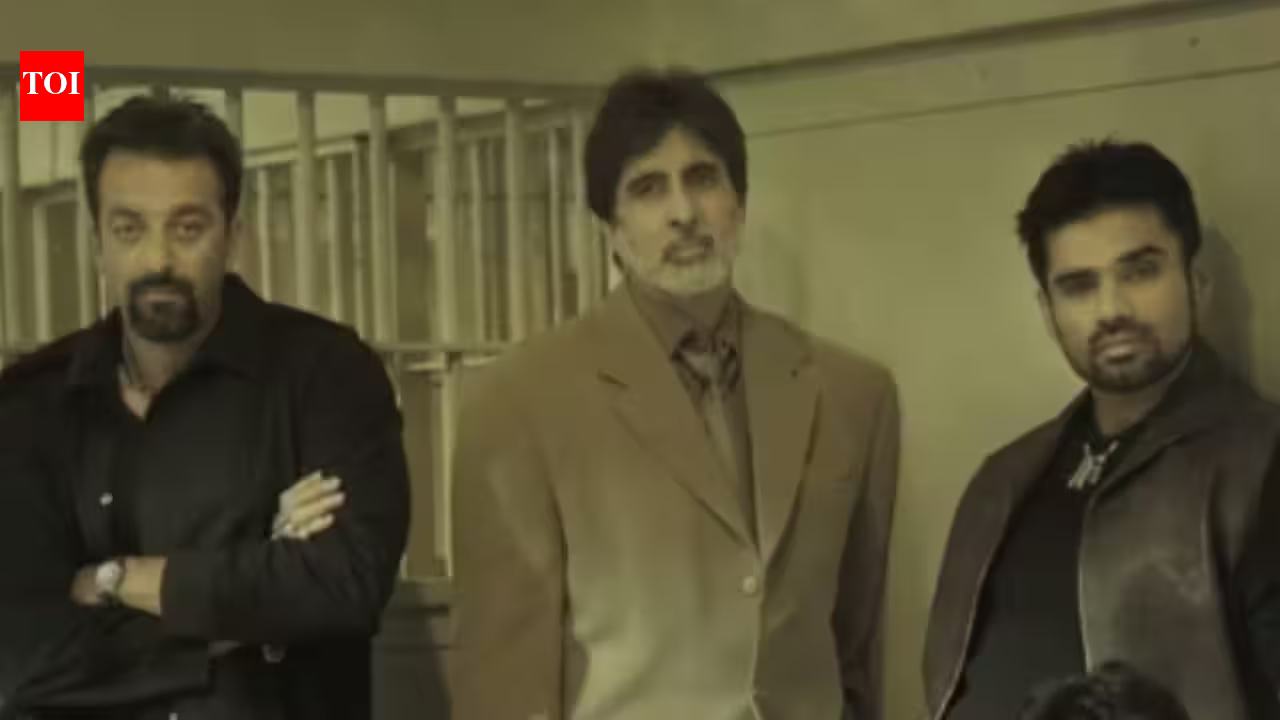
In the landscape of modern Indian cinema, few films possess the gritty, neo-noir DNA of Sanjay Gupta’s 2002 heist thriller, Kaante. Inspired by the stylized violence of Quentin Tarantino’s Reservoir Dogs, the film brought together an ensemble of heavyweights—Amitabh Bachchan, Sanjay Dutt, Suniel Shetty, Lucky Ali, Mahesh Manjrekar, and Kumar Gaurav—for a tale of six desperate men navigating the underbelly of Los Angeles.
While the film remains a cult classic for its slick editing and memorable soundtrack, it is the behind-the-scenes dynamics—specifically the legendary Amitabh Bachchan’s unwavering principles—that continue to fascinate cinephiles. In a recent conversation with author Hussain Zaidi, Gupta pulled back the curtain on one of the most intriguing stipulations of the production: Bachchan’s firm refusal to let his character, Major Yashvardhan Rampal, trade in foul language.
The Integrity of a Legend
It is a rare occurrence in the film industry to have a superstar exercise creative control not for vanity, but for personal values. When the script for Kaante was being developed, it was written with the raw, expletive-heavy dialogue one would expect from a high-stakes crime drama set in the US. However, Bachchan—whose screen persona has always balanced the fierce anti-hero with an underlying sense of dignity—drew a line in the sand.
“Amitji said that nobody would abuse me,” Gupta recalled during his chat with Zaidi. For the director, the request was clear, though it presented a unique challenge. How do you maintain the authenticity of a gritty heist film when your lead protagonist—the man heading the operation—refuses to use the vernacular of the criminal underworld?
Gupta’s solution was both pragmatic and diplomatic. He agreed to Bachchan’s condition, understanding that a star of his stature carries a specific weight with the audience. However, the director maintained the creative integrity of the rest of the ensemble. “I said, ‘Okay, sir. That doesn’t mean the others won’t abuse each other.’” It was a compromise that allowed the surrounding characters to remain authentic to their desperate, low-life personas, while Major Rampal retained a sense of command that didn’t rely on profanity.
The Censor Board’s Scissors
Interestingly, while Bachchan’s dialogue remained “clean,” the film itself did not entirely escape the scrutiny of the censor board. Gupta noted that the scripts were originally packed with profanity, a staple of the noir genre. Even after navigating Bachchan’s specific requirements, the team faced further adjustments during the post-production phase when the censors demanded changes to the dialogue.
Looking back, the evolution of Kaante illustrates the tightrope walk that filmmakers often perform when trying to bring a Western-inspired style to the Indian market. The film needed to feel “real,” yet it had to contend with the cultural sensitivities that still govern Indian cinema. The result was a polished, albeit slightly sanitized version of the script that still managed to deliver the punch of a hard-hitting action thriller.
A Nerve-Racking Narration
The story of how Kaante came to be is a study in cinematic anxiety. Before the film was even a glimmer of a project, Sanjay Dutt had originally been tasked with presenting the story to potential directors. However, after falling in love with the premise, Dutt decided to step in front of the camera instead. It was Dutt who suggested that the role of the group’s mastermind should go to none other than Amitabh Bachchan.
Gupta remembers the day he had to narrate the script to the legend as one of the most intimidating moments of his career. Walking into Bachchan’s home, surrounded by decades of photographic evidence of the superstar’s storied career, Gupta felt the crushing weight of the moment. “I thought some day, I’ll tell my grandchildren that I narrated a subject to Amitabh Bachchan,” he recalled, already steeling himself for the possibility of rejection.
During the narration, Bachchan’s response was a masterclass in stoicism. He sat with a poker face, offering absolutely no feedback or reaction. For a director pouring his heart into a pitch, the silence was agonizing. After the final page was turned, the room fell into a twenty-second vacuum of silence that felt like an eternity. Gupta, assuming he had missed the mark, waited for the polite dismissal. Instead, the tension broke when Bachchan calmly expressed his interest, greenlighting what would become one of the most iconic roles of his middle-career renaissance.
The Lasting Legacy of a Stylized Heist
Upon its release on December 20, 2002, Kaante was a significant departure from the typical Bollywood melodrama. It was sharp, cold, and unapologetically stylized. While it borrowed heavily from the “cool” aesthetic of 90s American cinema, it also provided a platform for these actors to explore characters defined more by their tactical desperation than by their moral goodness.
Amitabh Bachchan’s performance as the calculating, gravel-voiced Major is often cited as a turning point in his ability to play morally ambiguous characters who nonetheless command respect. His refusal to use foul language didn’t undermine his character; if anything, it heightened it. It made him the outlier, the one man in a room full of chaos who kept his composure, further cementing his stature as the “Major” of the group.
Decades later, Kaante remains a cult favorite, a testament to a time when Bollywood was experimenting aggressively with form and genre. It serves as a reminder that the best cinematic collaborations are often born from a mix of creative vision, mutual respect, and the firm resolve of artists who know exactly where their boundaries lie. Sanjay Gupta’s recollection of that tense meeting and the subsequent dialogue negotiations serves as a fascinating look at how a simple “no” from a superstar can shape the very identity of a film that was, and remains, an outlier in the Indian pantheon.
Disclaimer: This content is auto-generated.
Source: Read Original News