









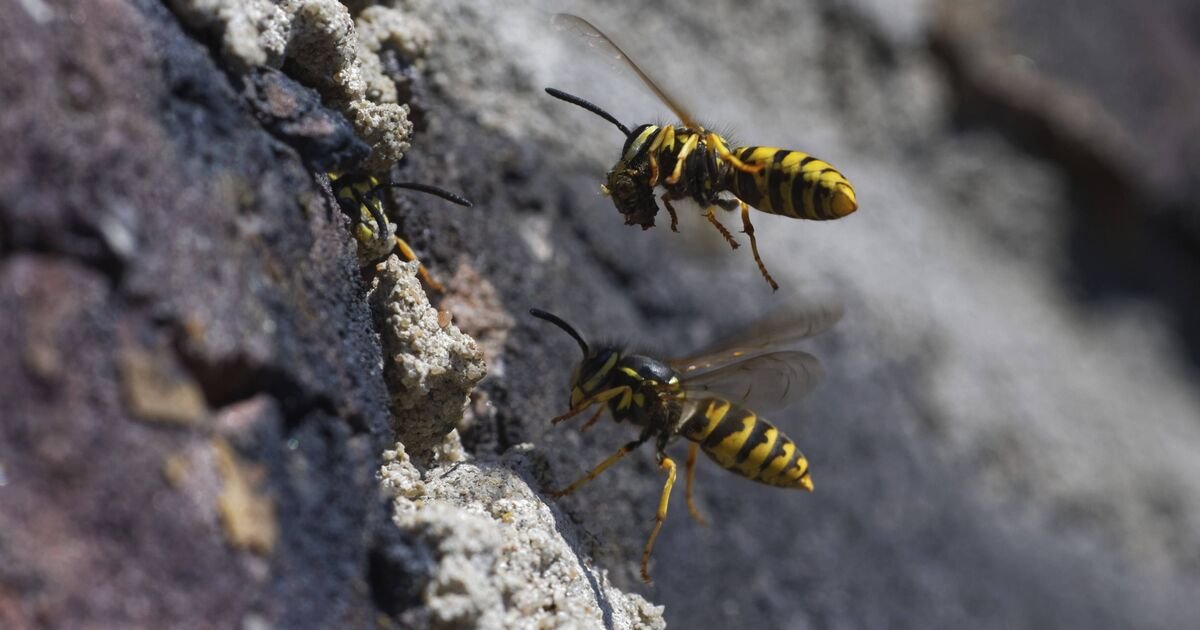
Why Your Garden Guests Are Getting Grumpy
If you have noticed more buzzing visitors near your picnic blanket or outdoor trash bins lately, you are not imagining things. September brings a distinct shift in the behavior of wasps, and it can feel like they have suddenly developed a vendetta against anyone enjoying the late summer sunshine. Throughout the peak of summer, these insects are busy working for the queen, feeding larvae in the nest. In return for this hard labor, the larvae provide the workers with a sugary secretion that keeps them fueled.
However, as the calendar turns toward autumn, the queen stops laying eggs, which means the larvae population plummets. Suddenly, thousands of hungry worker wasps are left without their primary food supply. They are effectively going through a sugar withdrawal, which drives them to scavenge wherever they can find a sweet fix. This is why they become so persistent around your soft drinks, sugary snacks, and fallen fruit. It is not that they have turned mean on purpose; they are simply desperate for sustenance as their natural life cycle nears its end.
The Danger of DIY Pest Control
When you find a nest near your home, the temptation to take matters into your own hands is strong. It is easy to think that a can of heavy-duty spray or a bit of duct tape over an entry hole will solve the problem quickly. Unfortunately, this is rarely the case. Pest control experts consistently warn that amateur attempts to remove or block nests often result in the insects finding a way inside the house instead.
If you block the main entrance, the colony will not just give up; they will search for a new route to get out, which often means chewing through wall cavities or entering your living space through the loft. Furthermore, using common household products on a large nest often fails to eliminate the threat entirely, serving only to irritate the colony. When a nest feels threatened, the inhabitants react with defense, which increases the likelihood of painful stings for anyone standing nearby.
Safety First Around Your Property
Before you grab the hedge trimmers or start up the pressure washer, take a moment to survey your surroundings. Vibration is a major trigger for these insects. Activities like strimming grass, cutting back overgrown bushes, or blasting a driveway with a high-pressure hose can mimic a predator’s attack. Many people accidentally trigger a swarm simply because they did not realize a nest was hidden inside a hedge or under a porch step.
If you are planning a garden maintenance day, walk the perimeter first. Check the eaves of your shed, the corners of your porch, and the dense parts of your hedges. If you see a high volume of traffic entering and exiting a specific point, assume there is a nest and keep your distance. It is much better to pause your gardening plans than to find yourself caught in the middle of a defensive response from a colony.
Knowing When to Call in the Experts
Not every nest is an emergency. If you discover a structure in a remote corner of your garden where nobody ever goes, you might be able to simply wait it out. As the weather cools down, the colony will naturally begin to dwindle and eventually die off. If the nest is far away from high-traffic zones, leaving it undisturbed is often the safest path.
However, if the nest is near a doorway, a patio, a children’s play area, or a high-traffic walkway, the situation is quite different. In these cases, the risk of accidental contact is too high to ignore. If you find yourself frequently dodging wasps just to enter your own home, it is time to call in a professional. A specialist has the right protective gear and the experience to assess the situation properly, ensuring that the nest is handled without endangering you or your family. By choosing professional assistance, you keep your home peaceful and secure until the colder weather finally sends these persistent guests on their way.
Disclaimer: This content is auto-generated for informational purposes only.
Source: Read Original News