






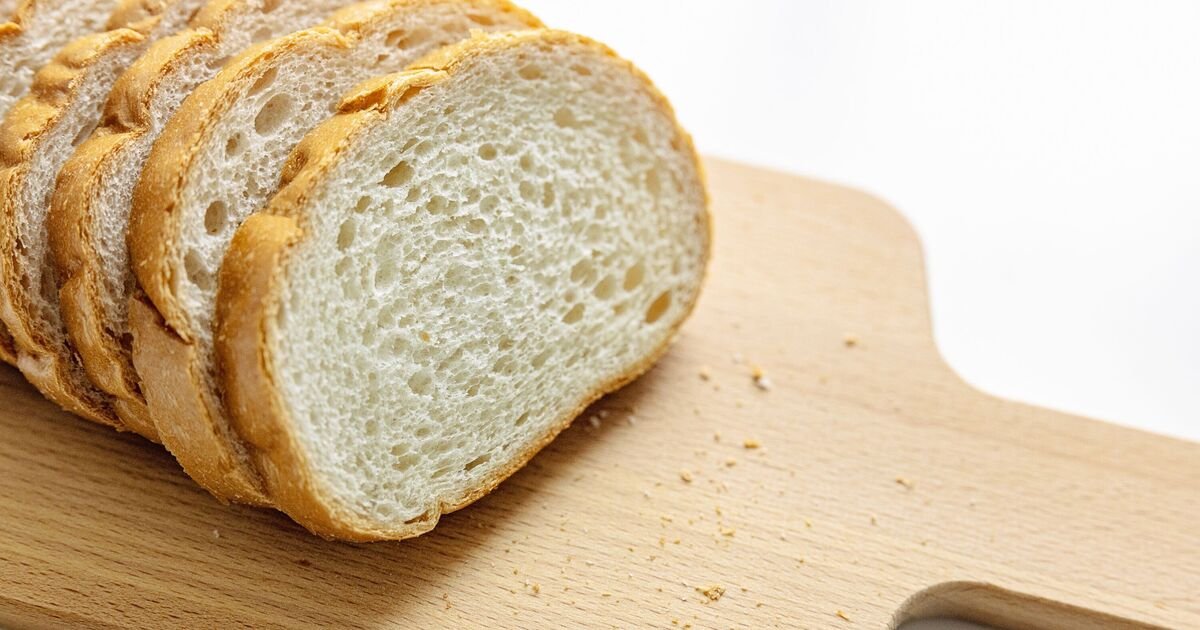
There is something incredibly comforting about a fresh loaf of bread. Whether you are slicing into a crusty sourdough, grabbing a piece for your morning toast, or prepping a sandwich for a packed lunch, it remains the ultimate kitchen staple. Yet, there is nothing quite as disappointing as reaching for the bag, only to discover your loaf has turned rock-hard or developed those fuzzy patches no one wants to see. If you find yourself tossing out half a loaf every week, it is time to rethink how you treat your bread.
Why the fridge is not your friend
A common mistake many people make is throwing a loaf of bread into the refrigerator thinking it will keep it fresh for longer. It sounds logical—after all, we keep milk, butter, and produce there to stop them from spoiling. However, bread follows a different set of rules. Inside the fridge, bread undergoes a process known as retrogradation. Essentially, the starch molecules in the flour crystallize as they cool down, which pulls moisture out of the center and leaves you with a crumbly, dry mess. While the cold might prevent mould from popping up, it effectively ruins the texture of your loaf in record time. Skip the fridge and keep your bread at room temperature to maintain that perfect, soft interior.
The art of the bread bin
If you want your bread to stay in its best form, a classic bread bin is your new best friend. These storage containers are designed to create a perfect balance. They offer a cool, dark, and dry environment while allowing just enough airflow to prevent the buildup of excess moisture. If you seal bread in a completely airtight plastic bag in a warm spot, you are creating a humid trap that invites mould to move in much faster than it should. By using a bread bin, you strike that middle ground that keeps the crust crisp and the inside tender. Just remember to give the bin a quick wipe down once a week; old crumbs can carry mould spores that will happily jump onto your fresh loaf.
Managing your bags and ties
Most store-bought bread comes in plastic bags that are perfectly suited for the job. Once you have removed the slices you need, make sure you seal the bag tightly. You can use the original plastic tie, a simple kitchen clip, or even a sturdy wooden peg. The goal is to keep the air out without crushing the loaf. If the original bag happens to tear or if you have purchased a loaf from a bakery that is wrapped in paper, transfer it to a large, sealable plastic bag or an airtight container. Keeping your bread in its original packaging (or a suitable substitute) is the easiest way to ensure it stays soft for as long as possible.
Mastering the freezer strategy
If you live in a smaller household or simply struggle to get through a whole loaf before it starts to turn, your freezer is going to save you a lot of money and waste. The secret here is to be proactive. As soon as you bring the bread home, decide how much you can realistically eat in two or three days. Slice the rest and pop it into the freezer, either in the original packaging or wrapped in foil to prevent freezer burn. When you need a slice, you can pull it out and let it thaw on the counter for a few minutes. Even better, you can drop a frozen slice directly into the toaster. If you are packing a lunch for work, simply prepare your sandwich with frozen bread; it will naturally thaw by midday, keeping your fillings cool and your bread tasting like it was just sliced that morning.
Knowing when to say goodbye
Even with the best storage habits, bread does have a shelf life. It is important to keep a close watch on your loaf. If you notice any spots of fuzzy mould, it is time for the bin. It is tempting to simply cut around the affected area, but mould is sneaky. The roots, or mycelium, often spread deep into the loaf, far beyond what your eyes can see on the surface. When it comes to mouldy bread, it is always safer to play it strictly by the book. By keeping your storage areas clean, avoiding the fridge, and making smart use of your freezer, you will find that you can enjoy every last slice of your bread without any of the usual frustration.
Disclaimer: This content is auto-generated for informational purposes only.
Source: Read Original News