







Himalayan Trout Poised to Replace Imported Salmon in India’s Gourmet Market
As India’s luxury hospitality sector continues to expand, a significant shift is brewing in the high-end culinary supply chain. Khyber, a forward-thinking aquaculture enterprise, is spearheading an ambitious initiative to substitute expensive imported salmon with locally farmed Himalayan trout. By leveraging the pristine, cold-water ecosystems of Northern India, the company aims to offer premium establishments a fresher, more sustainable, and economically viable alternative to the heavily taxed fish flown in from Norway and Scotland.
Bridging the Gap Between Farm and Fine Dining
For years, five-star hotels and gourmet retail chains in metropolitan hubs like Delhi, Mumbai, and Bengaluru have relied almost exclusively on Atlantic salmon imports. However, the volatility of international logistics, coupled with high import duties and the carbon footprint associated with air-freighting fresh seafood, has created a demand for a high-quality domestic equivalent.
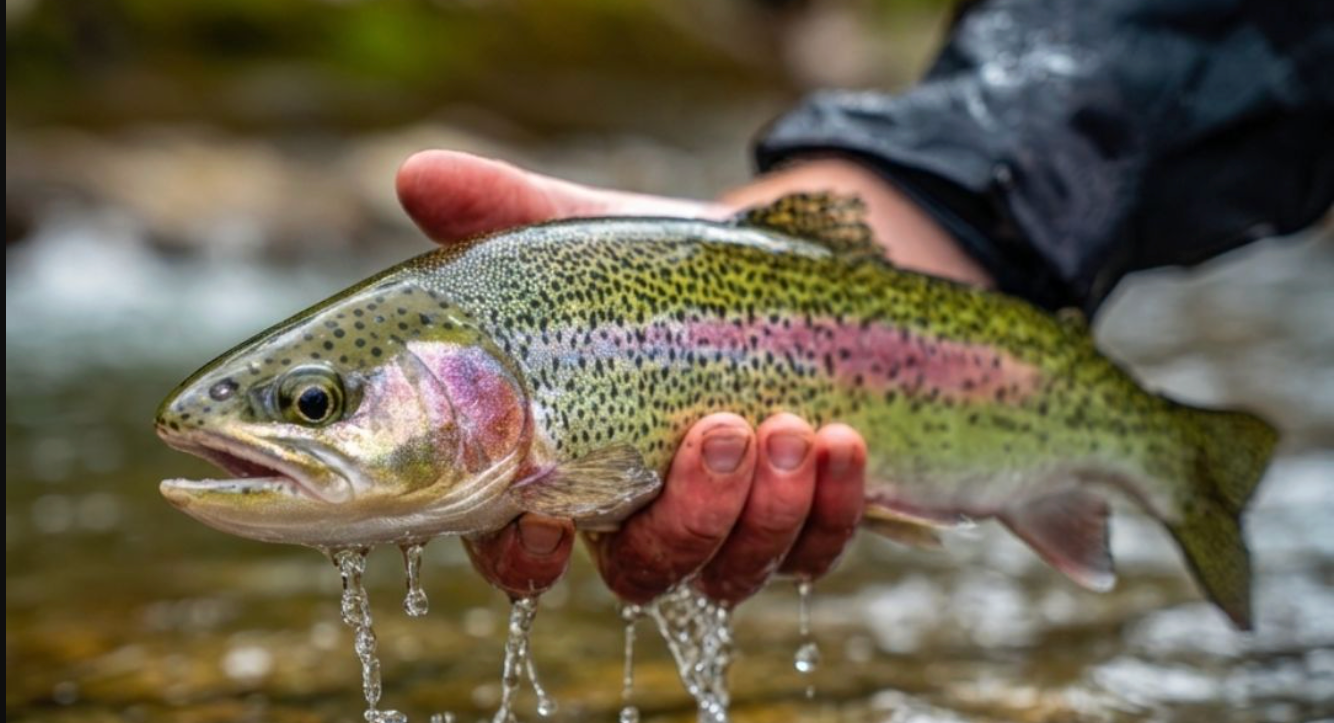
Khyber is positioning its Himalayan trout—known for its firm, succulent texture and delicate flavor profile—as a premium substitute. By implementing advanced aquaculture technologies, the company ensures that their trout meets the rigorous quality standards required by executive chefs in luxury kitchens. The proximity of these farms to major Indian cities means that the “time-to-plate” duration is reduced from several days of international transit to a mere matter of hours, guaranteeing a freshness level that imports struggle to match.
Sustainability as a Selling Point
Beyond the logistical advantages, the “farm-to-table” narrative is becoming an essential component of branding for luxury hotels. As sustainability becomes a core pillar for the hospitality industry, Khyber’s model offers a compelling argument for switching to local sources.
“The reliance on imported salmon has long been a challenge for the Indian gourmet sector, both in terms of cost and environmental impact,” noted an industry consultant. “By sourcing Himalayan trout, these hotels are not only supporting local biodiversity and reducing their carbon footprint but are also able to present a sophisticated, regional luxury product that appeals to the modern, eco-conscious diner.”
Market Challenges and Future Outlook
While the transition holds immense potential, Khyber faces the task of shifting long-held perceptions among culinary experts who have historically favored the orange hue and oily texture of Atlantic salmon. To combat this, the firm is investing in specialized feed and controlled breeding environments that mimic the natural, nutrient-rich diet of wild trout. These efforts result in a fish that rivals the fatty acid profile of salmon, making it equally suitable for sushi, sashimi, and sophisticated pan-seared preparations.
The economic implications are equally significant. By streamlining the supply chain, Khyber aims to provide a more stable pricing structure for restaurant partners, insulating them from the price spikes common in global seafood markets. As domestic production capacity increases, the company intends to expand its reach beyond luxury hotels to premium supermarket chains, effectively bringing the “Himalayan delicacy” into the home kitchens of affluent Indian consumers.
As India’s gastronomic landscape matures, the success of homegrown premium produce is inevitable. With Khyber leading the charge, the Himalayan trout is well on its way to becoming the new gold standard for seafood across the nation’s most exclusive tables.
Disclaimer: This content is auto-generated for informational purposes only.
Source: Read Original News