








The Evolving Strategy of PlayStation’s State of Play
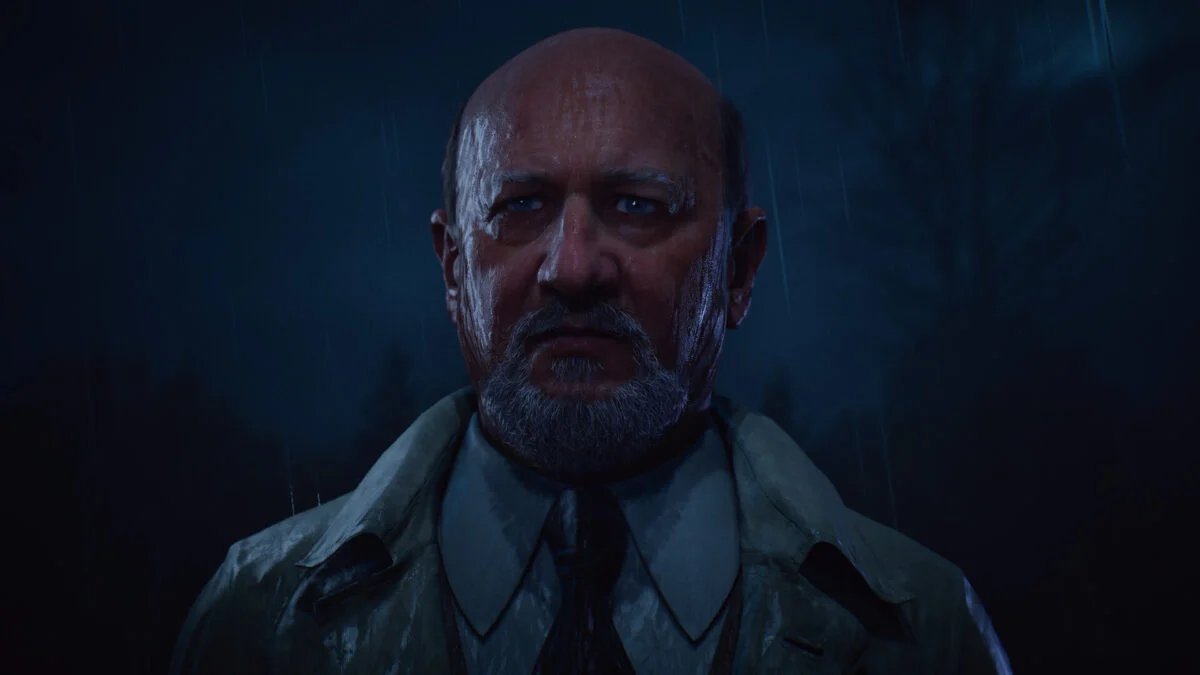
The recent Sony State of Play showcase highlights a distinct departure from the aggressive, executive-led communication styles common among major technology competitors. While firms like Microsoft and Nintendo often utilize high-profile leadership to shape public discourse or manage crises, Sony remains committed to an inscrutable and monolithic brand identity. This approach, which has defined the PlayStation ecosystem for two decades, prioritizes the software and hardware experience over personal corporate branding. However, the latest broadcast signals a potential shift in how the company balances its global reach with its core Japanese roots.
The event featured a strategic blend of content, moving beyond standard blockbuster reveals to incorporate deeper dives into titles like Gundam Rogue Orbit and the jazz-inflected action game Rhapsody in Scarlet. This focus suggests a deliberate attempt to reclaim a specific regional identity, likely bolstered by Sony’s broader corporate investments in anime and manga production. By presenting these niche, technically detailed segments, Sony is leveraging its platform to bridge the gap between traditional gaming audiences and its wider media entertainment portfolio.
The Intersection of Gaming and Hollywood Media
A significant takeaway from the showcase was the inclusion of movie-focused promotional material at the start of the event. While some critics viewed the choice as an indicator of a thin game release schedule, the integration of cinematic media into a gaming showcase reflects a larger industry trend. Gaming platforms are increasingly functioning as essential marketing hubs for major intellectual property (IP).
The promotion of the upcoming Resident Evil film during the event demonstrates that Hollywood studios are no longer just looking to gaming for source material; they are actively seeking the established reach and cultural clout of the gaming community. This symbiotic relationship suggests that future digital showcases may serve as hybrid launchpads for both interactive software and traditional film entertainment, blurring the lines between consumer electronics, home entertainment, and traditional media ecosystems.
Market Discontent and the Digital Ownership Debate
Despite the variety in the showcase, the event was marked by significant audience resistance regarding Sony’s recent strategic decisions. Throughout the broadcast, real-time feedback from the fanbase centered on two primary grievances: the discontinuation of physical game media and recent legal stances regarding digital ownership.
Sony’s position in California courts—arguing that consumers do not own their digital game licenses in the traditional sense—has created a substantial public relations obstacle. This legal narrative has alienated a segment of the user base that values long-term access and data possession. The vocal pushback, characterized by a refusal to transition to fully digital-only ecosystems, highlights a widening gap between corporate profit-maximization strategies and consumer expectations for product permanence.
The Impact of Live-Service Management and Community Sentiment
Beyond the physical-to-digital hardware friction, the community outcry regarding titles like Destiny points to deeper dissatisfaction with Sony’s handling of the live-service sector. Fans are expressing a perceived lack of transparency or care in the management of long-term community projects. This environment has fostered an atmosphere of suspicion toward current studio directives, turning standard requests for game sequels into pointed political statements against the publisher.
Sony’s current strategy appears to be one of silence, waiting for market trends to stabilize or for the anticipated release of high-impact titles like Grand Theft Auto 6 to distract from these issues. While this “wait-and-see” approach has historically allowed them to weather minor PR storms, the current sentiment suggests that the fanbase is no longer content with being ignored. The demand is for a shift in communication style—an acknowledgment from the company that it recognizes the concerns of its core users.
Future Outlook for the PlayStation Platform
As the industry approaches 2027, Sony remains in a position of significant market strength, largely supported by the platform’s overwhelming popularity. The anticipation for upcoming blockbusters ensures continued hardware engagement, yet the underlying tension remains palpable. The disconnect between the company’s business-like, reserved communication and the community’s desire for engagement creates a paradox.
If Sony continues to maintain its current stance of not acknowledging these protests, it risks further erosion of its relationship with its most dedicated users. While the platform currently maintains its position at the top of the console market, the intersection of legal battles over digital ownership and the transition away from physical media provides a test case for how modern corporations will handle, or ignore, sustained user-led advocacy. For now, the “impassive mask” remains, but the pressure to adjust its messaging strategy is mounting. The company’s ability to maintain its dominant market position will likely depend on whether it can successfully integrate these vocal consumer demands into its future operational roadmap, or whether it will continue to rely on the sheer gravity of its software portfolio to pull it through.
Disclaimer: This content is auto-generated for informational purposes only.
Source: Read Original News