







Addressing Critical Oversight in Halloween: The Game
The intersection of interactive entertainment and established intellectual property often necessitates a delicate balance between thematic loyalty and platform responsibility. IllFonic, the studio behind the recently launched asymmetrical survival title Halloween: The Game, has faced this reality head-on following the deployment of its first emergency hotfix. While pre-release updates for multiplayer games typically address server stability, frame rate optimization, or network synchronization, this particular patch was necessitated by a fundamental design oversight regarding in-game character interactions and player agency.
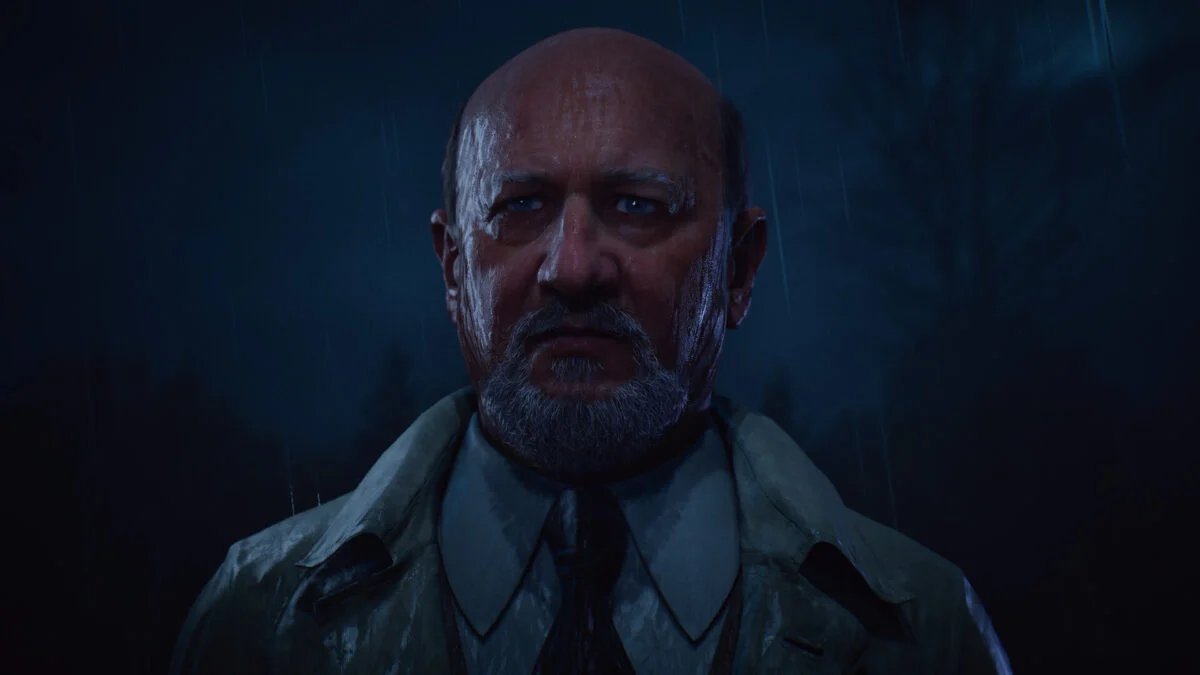
The controversy centers on a specific mechanics feature: an interactive minigame designed as a nod to the “Sex Signals Death” trope common in slasher cinema. While the inclusion of such tropes is intended to pay homage to the film franchise, the execution failed to account for the specific demographic makeup of the playable character roster. The developers inadvertently enabled a scenario where Samuel Loomis—a character modeled after the late actor Donald Pleasence—could participate in these sequences alongside characters classified as minors within the game’s narrative framework. This oversight created a significant conflict between the developer’s intent to capture the atmosphere of the genre and the ethical boundaries required of modern digital experiences.
Technical Response and Patch Implementation
Hotfix 1 arrived in the early hours of September 5, just days before the official public release scheduled for September 8. Despite the technical nature of the game’s backend, which relies on complex state management to track character status and environmental variables, the fix was decisive and absolute. Instead of attempting a nuanced re-coding of the logic parameters—which would have involved complex conditional checks to prevent specific character pairings—the development team elected to remove the minigame from the software entirely.
From a technical perspective, this removal suggests that the developers prioritized immediate remediation over architectural adjustment. Removing a scripted event sequence in a game engine requires identifying the trigger points and the associated UI assets, then stripping them from the active build. By opting for a total removal, the studio eliminated the possibility of future exploits or edge-case triggers occurring within the same subsystem. The rapid turnaround, occurring within 24 hours of public awareness, indicates a well-oiled deployment pipeline, allowing the studio to push server-side and client-side changes to the small user base currently accessing the title through the deluxe pre-order window.
Quality Assurance and Development Lifecycle Challenges
The incident serves as a significant case study for the quality assurance (QA) phase of modern game development. In a project involving licensed properties, QA testing must go beyond checking for collision bugs or graphical glitches; it requires a rigorous review of narrative-mechanical intersections. The failure to detect the specific pairing issue during the pre-release phase highlights a potential gap in the systemic audit of game logic. When dealing with asymmetrical horror games, where multiple player characters with unique age and status attributes occupy the same space, the interaction matrix becomes exponentially complex.
Developers often utilize automated testing tools to check for character collisions and progression blockers, but these tools do not always possess the context to flag social or narrative implications. A script that checks whether two characters can interact does not inherently recognize that the resulting action is inappropriate based on the characters’ defined lore. This event underscores the necessity for human-in-the-loop oversight throughout the entire lifecycle of a production, particularly when dealing with content that mirrors sensitive social tropes.
Impact on Player Experience and Future Updates
The removal of the minigame has been met with mixed responses within the community. While some players viewed the inclusion as a humorous tribute to the franchise’s origins, the potential for misuse and the inherent discomfort caused by the pairing of an older character model with adolescent counterparts necessitated a swift pivot. For IllFonic, the priority now shifts toward managing the fallout and restoring player confidence in the game’s overall narrative design.
Moving forward, the studio must balance the desire to maintain the “gritty” tone of the Halloween franchise with the realities of ethical game design. While the community has suggested that future iterations could include more context-appropriate behavior—such as characters expressing disapproval or strictly limiting the interaction to adult characters—the current focus remains on stability. The developers have yet to issue a formal public statement regarding the removal, likely focusing on ensuring the rest of the game’s mechanics function correctly for the wider release on September 8.
The Role of Community Feedback in Real-Time Development
The rapid resolution of this issue demonstrates the influence of community-driven feedback in the era of live-service and early access gaming. Within hours of the issue being highlighted on social platforms, the community had already documented the discrepancy, and the development team had responded. This level of transparency and responsiveness is essential for titles that release in advanced access, where the player base effectively serves as an extended QA department.
Ultimately, the situation illustrates that even for a game rooted in established horror history, the developer must remain vigilant. While the technical fix is complete, the incident will likely lead to a more stringent review process for future content updates, including character interactions and environmental assets. As the game transitions to its full launch, the focus will now revert to the core gameplay loop: the tension between the protagonist and the antagonist, and the mechanics of survival that define the asymmetrical horror genre. The quick correction ensures that the game’s launch will be judged by its core merits rather than an unfortunate oversight in design logic.
Disclaimer: This content is auto-generated for informational purposes only.
Source: Read Original News