








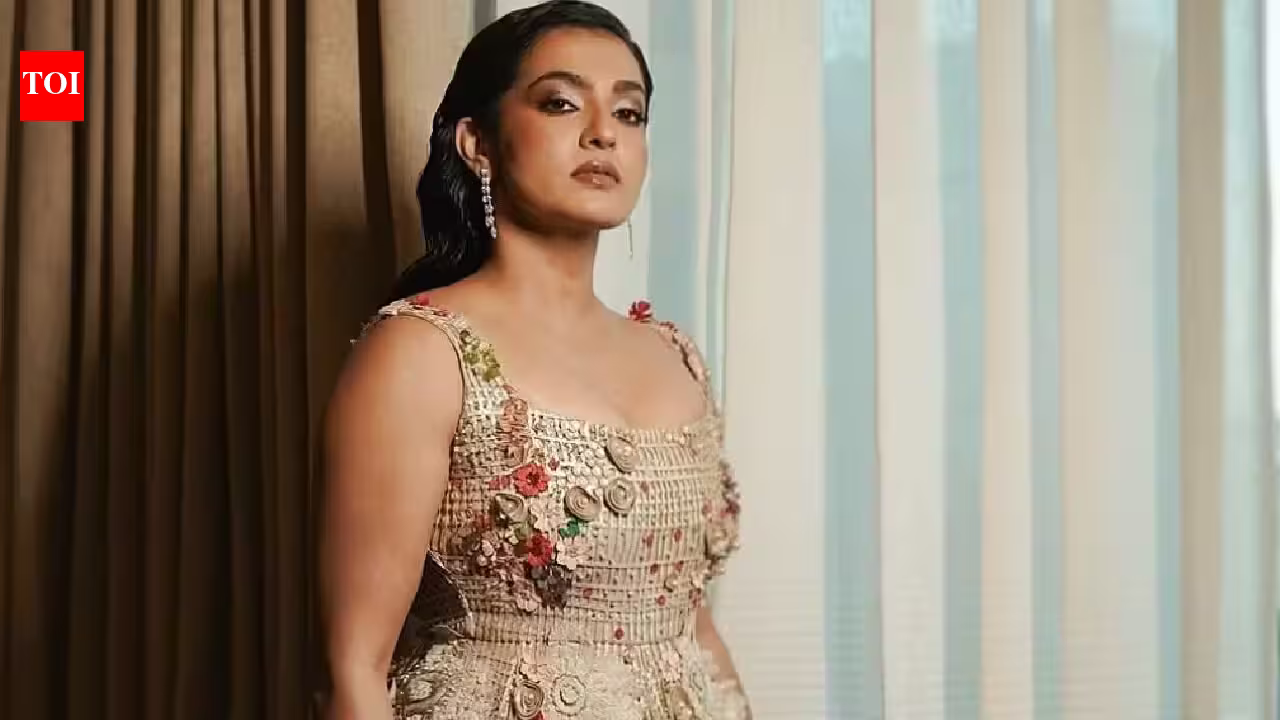
The Cost of Silence: Why Parvathy Thiruvothu Refuses to Play the Neutral Card
In an industry often defined by calculated public relations strategies and the polished art of saying nothing at all, Parvathy Thiruvothu has long acted as a disruptor. For the Malayalam cinema powerhouse, the screen is not merely a place for performance—it is a platform, and one that comes with heavy moral weight. In a recent, candid conversation with Galatta Plus, the actor cut through the noise, challenging the long-standing tradition of celebrity neutrality, particularly when the youth—the very demographic that sustains the film economy—are facing turbulence on the streets.
The Unspoken Contract: When Fans Become the Foundation
For Parvathy, the relationship between a superstar and their audience is not just transactional; it is a profound power dynamic that creates an unspoken social contract. When a student spends their limited budget on a movie ticket, they aren’t just paying for two hours of escapism. They are participating in an ecosystem that grants fame, financial status, and cultural capital to the actors on screen.
“Some people have attained a certain status because of ordinary people and students,” Parvathy noted during the interview. “In our industry, there are actors, filmmakers, and writers who are deified. Their movies are made successful by the youth.”
The frustration in her voice isn’t just directed at a lack of political commentary; it’s rooted in a sense of betrayal. She views the silence of industry titans during times of student-led protests not as a professional choice, but as a moral failure. To her, the hierarchy is clear: the youth provide the pedestal, yet when the ground shakes beneath them, those on the pedestal often look the other way.
Questioning the Status Quo of Stardom
The “one-sided relationship” Parvathy describes is a biting indictment of celebrity culture in India. While superstars are quick to leverage their fan bases for box office numbers, global brand endorsements, and social clout, there is a recurring pattern of “strategic silence” when socio-political issues flare up.
Parvathy questions the integrity of this dynamic. Why are stars quick to celebrate their successes when their fans are in the theaters, but suddenly invisible when those same fans are in the streets, fighting for their rights or their futures? She argues that the privilege of being a public figure—a position granted entirely by the support of the common person—should come with an inherent responsibility to stand with that community. To be silent, in her view, is to accept the benefits of public adoration while discarding the duty of public advocacy.
The Myth of the “Apolitical” Actor
For decades, the standard advice given to Indian actors was simple: keep your mouth shut, keep your politics private, and focus on the craft. It was the safe path to universal appeal. Parvathy, however, believes that era has been dead for at least a decade.
“We could have said that 10 years ago,” she says, dismissing the outdated notion that cinema and society should remain in separate lanes. “But that ship has sailed.”
By rejecting the “apolitical actor” trope, Parvathy is redefining what it means to be a modern artist. She argues that the insulation of stardom is a choice, not a necessity. Her stance is that in a landscape where arts and culture are intrinsically linked to the national consciousness, the refusal to take a stand is, in itself, a political act—one that favors the status quo. She is not merely calling for opinions; she is calling for accountability.
The Weight of Standing Alone
It is no secret that Parvathy’s outspoken nature has come at a cost. She has frequently been the target of vitriolic social media campaigns and intense public scrutiny. Yet, she wears this friction as a badge of honor. She acknowledges that there are people who harbor genuine animosity toward her for her views, yet they still buy tickets to see her work—a strange, compartmentalized reality where the audience respects the craft even while rejecting the conscience of the artist.
“I do it because otherwise I can’t sleep at night,” she admits. This is the crux of the matter: for Parvathy, the professional cost of being labeled a “difficult” or “political” actor is secondary to the psychological burden of staying silent.
The Artist as a Beacon of Hope
In an era of rising inequality and social upheaval, Parvathy believes the role of the artist extends beyond entertainment. She envisions the celebrity as an amplifier—a voice capable of bringing global attention to the struggles of those who are ignored by mainstream narratives.
When those in power remain silent, they inadvertently validate the suppression of the marginalized. By speaking out, Parvathy argues, artists can provide hope, validate the struggles of the youth, and shine a light on injustices that might otherwise be swept under the rug.
Her message is a sobering one for the film fraternity: status is not a shield against responsibility. As long as artists benefit from the support of the youth, they remain beholden to their struggles. Whether the rest of the industry will heed her call to end the “one-sided relationship” remains to be seen. But one thing is certain: Parvathy Thiruvothu is no longer interested in playing by the rules of silence, and she is challenging her peers to decide whether they want to be mere symbols of success or active participants in the progress of society.
Disclaimer: This content is auto-generated for informational purposes only.
Source: Read Original News