









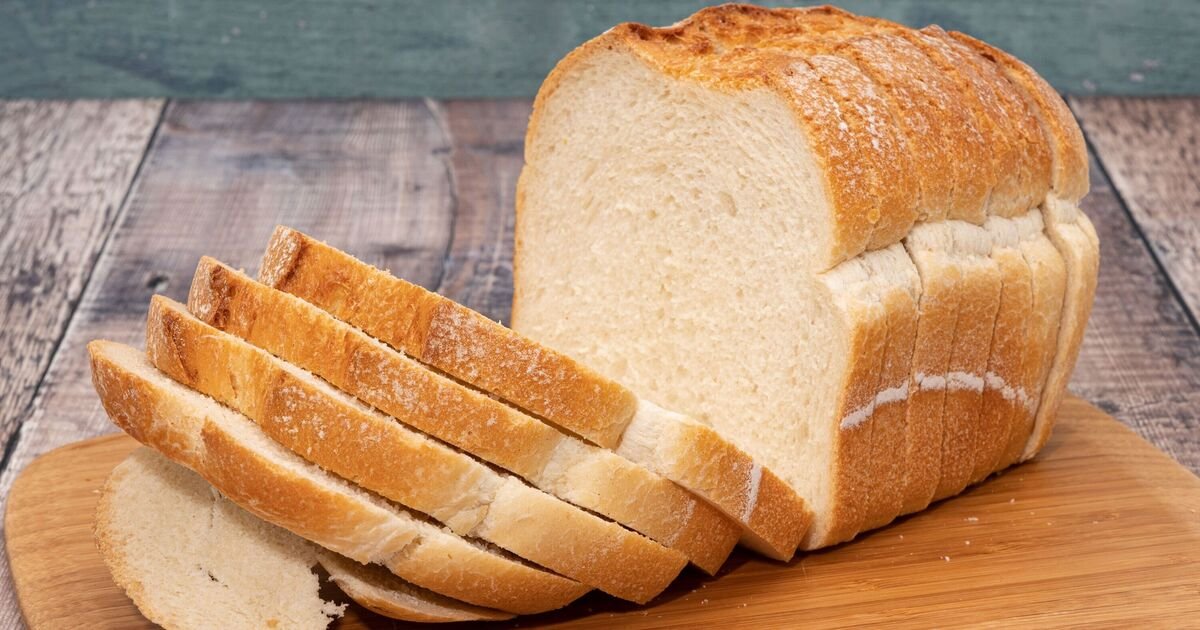
We have all been there: you head to the kitchen to fix a quick breakfast, only to find that the loaf of bread you bought just two days ago has already hardened into something resembling a brick. It is a common household frustration that leads to far more food waste than necessary. While it might seem like a simple task, keeping your bread soft and fresh actually requires a bit of strategy.
The good news is that you do not need fancy gadgets or complicated preservation techniques to keep your bakery favorites in prime condition. By making a few small adjustments to how you store your groceries, you can ensure every slice stays soft until the very last piece is gone.
The Fridge Myth
There is a long-standing misconception that putting bread in the refrigerator is the best way to extend its life. It makes sense in theory—after all, the fridge keeps milk, produce, and leftovers cold, so why wouldn’t it help a loaf of bread? However, science tells a different story.
When bread is kept in the cold environment of a refrigerator, a process known as retrogradation occurs. This causes the starch molecules within the bread to crystallize. As they crystallize, they draw moisture out of the crumb, which leaves the texture dry, brittle, and unappealing. While the fridge might successfully hold off mold growth for a little longer, it effectively kills the quality of the bread in the process. If you want to keep your sandwiches soft and your toast perfect, keep your loaf out of the fridge entirely.
Why a Bread Bin is Your Best Friend
If the fridge is out, what is the ideal home for your bread? The answer is a classic staple: the bread bin. A quality bread bin creates a controlled environment that is cool, dry, and provides just enough airflow to prevent moisture buildup. Without this airflow, you risk creating a damp environment that encourages mold to bloom far too quickly.
One often overlooked tip for maintaining a pristine bread bin is regular maintenance. It is a good habit to wipe out the bin once a week to remove any loose crumbs. Those tiny leftover bits can accumulate and potentially speed up the spoilage of your next loaf. By keeping the storage area clean and dry, you provide the perfect sanctuary for your daily bakery haul.
Mastering the Packaging
The plastic packaging that your bread comes in is actually a piece of clever engineering. It is specifically designed to lock in moisture and protect the texture of the slices. When you buy a loaf, try your best to keep it in its original bag.
Once you have opened it, the secret is in the seal. Most modern loaves come with resealable ties that work perfectly to keep air out. If you happen to tear the bag or lose the clip, do not worry—a simple kitchen peg or a resealable plastic bag works just as well. The goal is to minimize the amount of air the bread is exposed to, so ensure the seal is tight every single time you retrieve a slice. You should store this in a cupboard or on a counter, safely away from heat sources like your toaster or direct sunlight, which can cause the bread to sweat inside the bag.
Smart Freezing for Longevity
If you know you cannot finish a full loaf within a few days, do not let it sit on the counter until it goes to waste. The freezer is a fantastic resource for preservation. To make the most of it, consider freezing half of your loaf the moment you bring it home.
Wrap it tightly in a freezer-safe bag or foil to prevent freezer burn. When you are ready for a slice, you can simply pull it out as needed. You can toast slices directly from the freezer, or even pack a sandwich using frozen bread in the morning—it will thaw naturally by the time your lunch break rolls around.
Finally, a quick note on safety: if you ever notice signs of mold, it is time to say goodbye to the entire loaf. While it might be tempting to just cut off the affected area, mold roots often travel much deeper into the crumb than what is visible on the surface. When in doubt, toss it out. However, if your bread is just a little stale and mold-free, consider using it for breadcrumbs, croutons, or a delicious bread pudding to make sure nothing goes to waste.
Disclaimer: This content is auto-generated for informational purposes only.
Source: Read Original News