








A Technical Rebirth for a Genre-Defining Classic
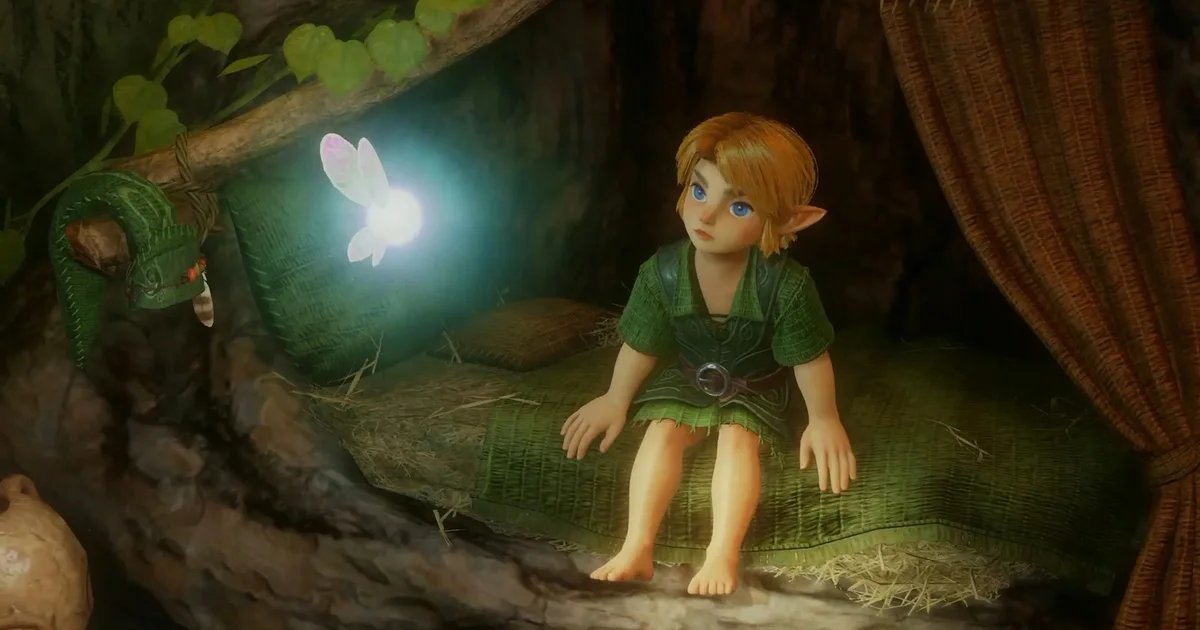
The gaming industry recently witnessed a significant milestone during the Nintendo 40th anniversary Direct, where the long-rumored remake of The Legend of Zelda: Ocarina of Time was officially unveiled. Scheduled for release on the Nintendo Switch 2 on November 5th, this title represents a comprehensive technical overhaul of one of the most celebrated games in history. Rather than a simple resolution boost or texture pack, the development team has transitioned the title to a completely new game engine, promising to maintain the structural integrity of the original 1998 classic while integrating modern gameplay mechanics that align with current industry standards.
Producer Eiji Aonuma narrated the inaugural gameplay reveal, highlighting the delicate balance between nostalgia and modernization. While the aesthetic has been upgraded to match the performance capabilities of the Switch 2, key sensory anchors—such as the iconic chest-opening animation and original sound cues—have been preserved with high-fidelity accuracy. This approach ensures that while the visual presentation is contemporary, the fundamental logic and rhythm of the game remain familiar to longtime enthusiasts.
Mechanical Advancements and Engine Integration
The transition to a modern engine has allowed for a significant expansion of Link’s mobility and interaction capabilities. In the original release, movement was largely dictated by pre-determined jump triggers or proximity-based vaulting. The remake introduces manual jumping, granting players greater autonomy over exploration and vertical traversal. This change necessitates a redesign of map navigation, as players can now circumvent obstacles that previously required specific progression paths.
Furthermore, swimming and diving mechanics have been refined to offer more fluid control schemes. The integration of a dash function serves to minimize downtime during traversal across the sprawling fields of Hyrule, addressing the pacing critiques often directed at older 3D action-adventure titles. Perhaps most notable is the implementation of a real-time day-and-night cycle that persists throughout the entire world. Unlike the original, where lighting shifts were often gated by specific locations or story triggers, the environment now operates on a dynamic, constant clock. Despite these advancements, Nintendo confirmed that intentional loading screens remain part of the design. This decision aims to preserve the compartmentalized nature of the original world map, ensuring that the transition between distinct areas retains its recognizable structural feel.
Innovative Input Methods and Audio Engineering
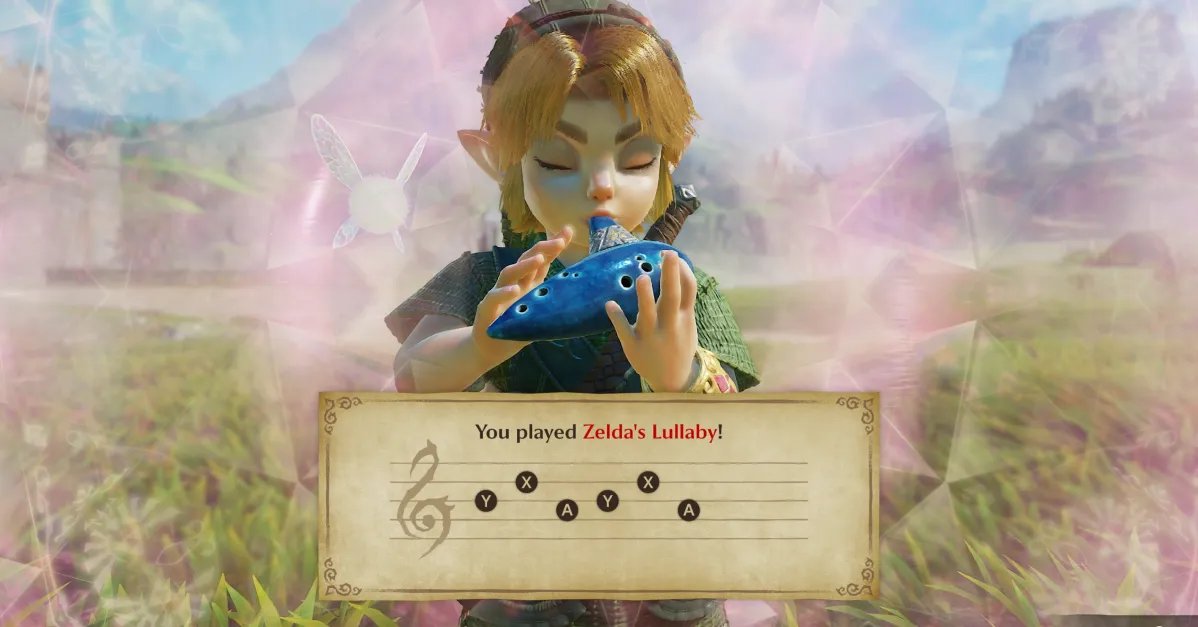
The remake introduces novel ways to interact with the game world, most notably through the use of an integrated microphone. During the demonstration, Nintendo showcased a feature where players can use their voice to perform the various melodies required to manipulate the game world. By humming, whistling, or singing into the microphone, players trigger the magical effects associated with the Ocarina. This creates a tactile connection between the user and the software, turning a menu-driven action into a performative task.
Audio engineering played a central role in this production. Beyond the environmental soundscapes, the development team has implemented full voice acting for all cinematic cutscenes. This change marks a departure from the text-only dialogue that defined the original experience, providing more depth to character interactions and narrative delivery. Additionally, the updated soundtrack will be integrated into the Nintendo Music platform, allowing users to access the remastered scores outside of the game itself. The company emphasized that this auditory restoration was a primary pillar of the project, ensuring that the legacy of Koji Kondo’s original composition is honored with modern recording quality.
New Content and Expansion of Hyrule
Exploration is bolstered by the introduction of previously inaccessible areas within Hyrule Castle Town. By opening up sections of the map that were historically cosmetic or restricted, the developers are rewarding players who are familiar with the geography of the original game with fresh secrets and landmarks. These expansions serve as technical showcases for the new engine, demonstrating denser object placement and higher-fidelity environmental assets than were possible in the 1990s.
The game also features a specialized companion app titled Zelda Notes. This tool serves as both a library for in-game documentation and a secondary layer of engagement. Users can manage screenshots, engage in mini-quests specifically designed for discovery, and earn points that reflect their progress. The inclusion of a dedicated Ocarina composition suite allows for creative user-generated music, which can be stored and shared. This modular approach to content—pairing the main campaign with systemic meta-features—reflects a trend toward persistent connectivity and ongoing engagement within single-player franchises.
Hardware Synergy and Future Integration
The launch of this remake is supported by the release of two new amiibos, which serve as physical keys to unlock in-game cosmetic masks. These masks have been integrated into the engine to provide more than just visual flair; they modify character interactions in specific, yet-to-be-disclosed ways. The synchronization between the physical hardware and the Switch 2’s NFC capabilities highlights Nintendo’s ongoing commitment to physical-to-digital synergy.
As the title approaches its November release, the focus remains on how these technical upgrades harmonize with the original design philosophy. By leveraging the increased processing power of the Switch 2, the team has been able to bridge the gap between retro architectural design and current-gen expectations. The combination of, voice-activated mechanics, expanded environmental puzzles, and full-voiced narratives represents a significant shift in how heritage software is being curated and presented to a new generation of players. This remake serves as a technical benchmark for the Switch 2 platform, illustrating the potential for deep, system-level enhancements to classic intellectual property.
Disclaimer: This content is auto-generated for informational purposes only.
Source: Read Original News