








The global smartphone market is currently witnessing a intense strategic struggle as major manufacturers vie for dominance in the foldable segment. With industry speculation reaching a fever pitch regarding the impending arrival of a foldable iPhone, competitors Huawei and Xiaomi have moved proactively to secure their positions. By launching their latest flagship foldable devices just days before Apple’s scheduled event, these companies are attempting to define the narrative of the category and influence consumer purchasing decisions before the market leader introduces its own solution.
Evolution of the Foldable Form Factor
The recent product cycle highlights two distinct approaches to foldable architecture. Xiaomi has introduced the Xiaomi 18 Fold, a device that adopts the passport-style, book-like folding mechanism. This design provides users with a standard smartphone interface that expands into a larger tablet-sized display, mirroring the form factor established by the Samsung Galaxy Z Fold series. The focus here is on multitasking, productivity, and media consumption, aiming to offer the utility of a secondary device within the footprint of a mobile handset.
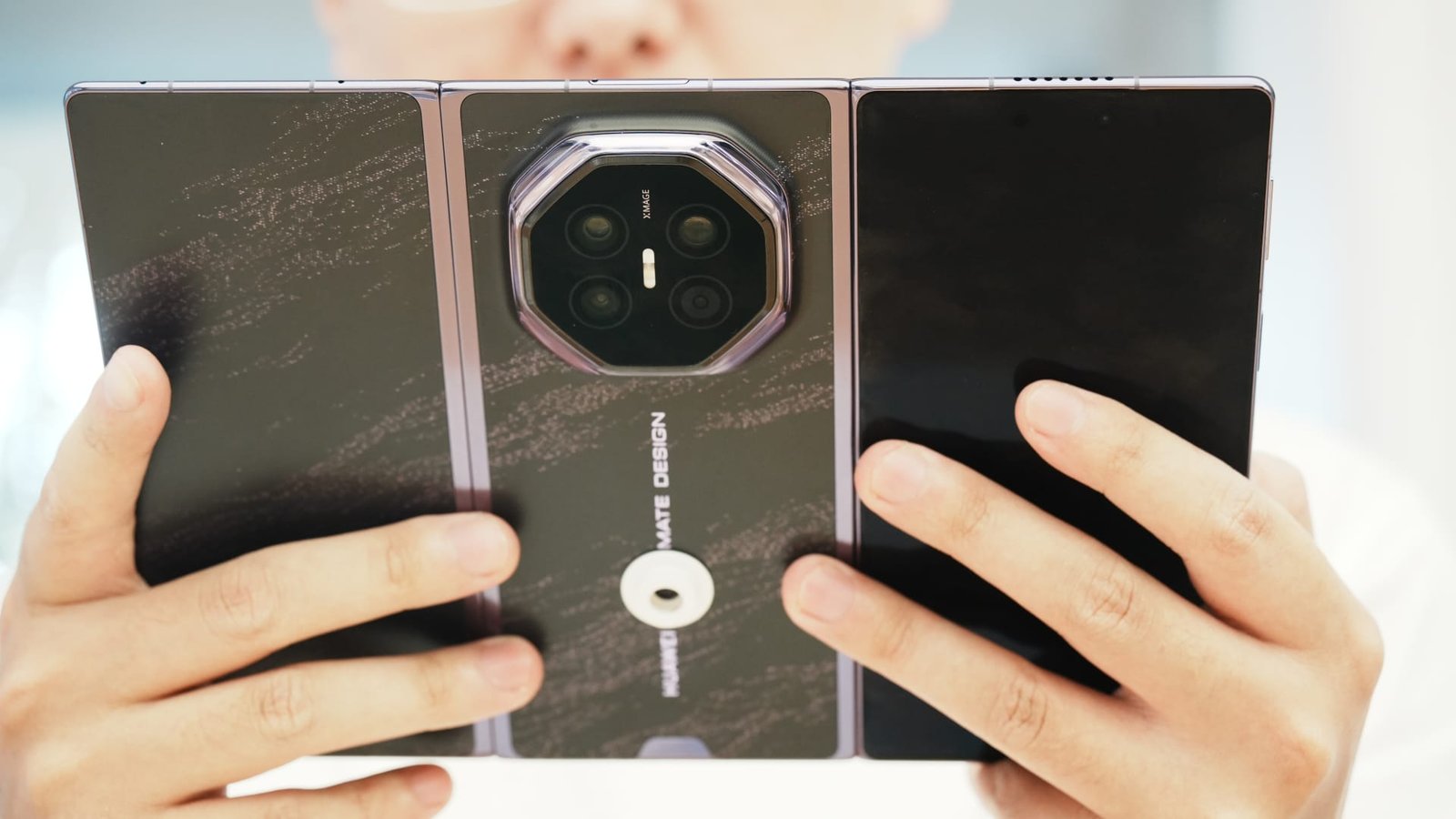
Huawei, conversely, continues to advance its pioneering trifold technology with the release of the Mate XT2. This device represents the third generation of its unique hardware configuration, which utilizes two separate hinges to allow the screen to unfold into a significantly larger workspace than standard bifold devices. By refining the mechanical complexity and durability of the trifold design, Huawei is positioning itself as the leader in high-end, experimental hardware, targeting users who prioritize maximum screen real estate in a portable format.
The Competitive Landscape and Market Dynamics
The timing of these launches is highly strategic. Industry analysts suggest that manufacturers are deliberately preempting the Apple launch to ensure their products are already available for comparison. The foldable category is characterized by high price points and a reputation for technical sophistication, making it a critical battlefield for brand prestige.
Apple’s entry into this space is expected to be a pivotal moment. Counterpoint Research projects that the company could capture a significant portion of the global market shortly after its release, with potential shipments reaching millions of units in the first year. This anticipated shift is driven by a massive, pre-existing install base that has waited for a familiar operating system and ecosystem integration within the foldable form factor. While Huawei currently commands a substantial majority of the market share in China, the arrival of an Apple-branded foldable is expected to trigger a significant wave of upgrades among consumers who previously hesitated to switch to alternative Android-based platforms.
Breakthroughs in Semiconductor Integration
A notable aspect of the latest hardware releases from Huawei and Xiaomi is the focus on internal silicon innovation. Both companies have highlighted proprietary chip technology as a key differentiator. Xiaomi’s 18 Fold features the XRing O3 processor, which the company claims is manufactured using a highly efficient, advanced semiconductor process. This emphasis on custom silicon suggests a move toward deeper hardware-software co-optimization, which is essential for managing the distinct power and thermal demands of folding displays.
Huawei has introduced a novel technique referred to as LogicFolding. This semiconductor advancement is specifically engineered to optimize the movement of electrical signals across the chip. In a foldable device, where components must be distributed across multiple physical sections connected by flexible cabling, signal latency and heat management are substantial engineering hurdles. LogicFolding represents an attempt to mitigate these physical constraints at the silicon level, ensuring performance consistency even when the device is fully extended or folded.
Use Cases and Future Outlook
The primary use cases for these devices revolve around professional productivity and immersive entertainment. The larger surface areas afforded by foldable displays allow for complex split-screen multitasking, advanced video editing, and detailed document management that are difficult to achieve on standard slab-style smartphones. Furthermore, as developers increasingly optimize mobile applications for variable screen ratios, the utility of these devices is expected to increase.
While current sales figures indicate that foldable handsets remain a premium niche compared to traditional smartphones, the category is exhibiting strong growth. The ongoing competition between Huawei, Xiaomi, Samsung, and Apple is accelerating the pace of hardware iteration. As hinge reliability improves, screen creases become less visible, and software support becomes more robust, the barriers to entry for mainstream consumers are steadily eroding. By effectively forcing a market comparison, these manufacturers are ensuring that the arrival of Apple’s device will occur within a mature, competitive ecosystem rather than a vacuum, setting the stage for a dramatic evolution in mobile computing over the next two years.
Disclaimer: This content is auto-generated for informational purposes only.
Source: Read Original News