









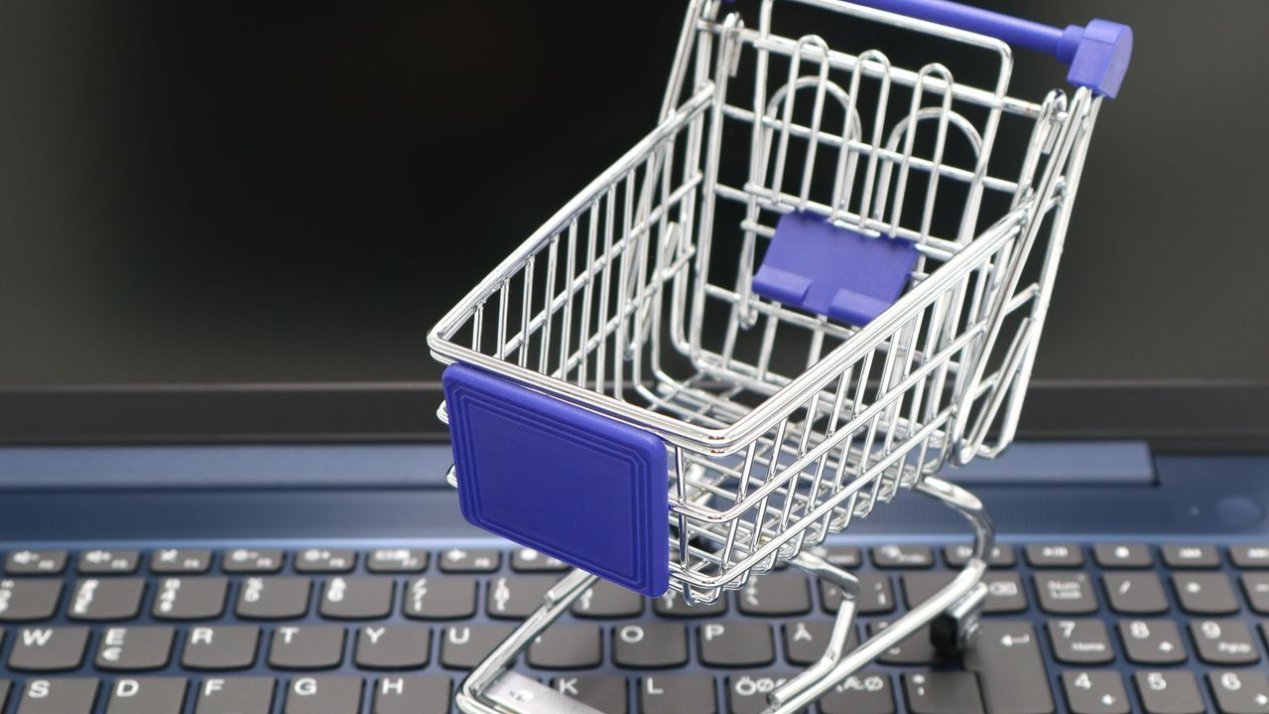
Mexico’s e-commerce landscape has officially graduated from a period of rapid pandemic-era adoption into a mature, sophisticated ecosystem. As the country eyes a milestone where online retail is projected to account for 17.7% of total sales by 2026, the focus for businesses has shifted away from the simple acquisition of first-time shoppers. Instead, the current challenge lies in deepening consumer loyalty, improving purchase frequency, and leveraging advanced technology to streamline the customer journey.
The Maturation of the Digital Economy
The economic footprint of Mexican e-commerce is substantial. In 2024, the sector contributed 6.9% to the nation’s GDP, representing a gross value added of approximately MX$2.3 trillion. While growth rates have moderated following the post-pandemic boom, this cooling is viewed as a natural normalization of the market rather than a decline in structural demand.
Experts from the Mexican Association of Online Sales (AMVO) and Endeavor Mexico emphasize that the region is currently expanding at 1.5 times the global average. With expectations for annual regional e-commerce revenue to surpass US$215 billion by 2026, Mexico is positioning itself as a leader in the Latin American digital economy. A defining feature of this maturity is the mobile-first nature of the consumer, with 85% of transactions now completed via smartphones. This high mobile penetration has raised the stakes for retailers: with half of all consumers ready to abandon a platform after a single negative interaction, reliability, speed, and transparent order tracking have become essential competitive requirements.
AI and Tech-Driven Infrastructure
Artificial Intelligence has moved beyond experimental pilot projects to become the backbone of modern Mexican e-commerce. Retailers are deploying AI to optimize the entire value chain, from dynamic pricing and demand forecasting to personalized product recommendations and automated customer service.
This technological leap is bridging the gap between small-to-medium enterprises (SMEs) and industry giants. By automating routine logistics and inventory management tasks, AI allows smaller players to compete on efficiency without needing vast, dedicated tech teams. Furthermore, major industry players, such as Mercado Libre, are increasingly centering their business events and educational programs on practical AI integration, ensuring that sellers across various levels of digital maturity can harness these tools to increase their profitability. However, even as AI capabilities expand, the industry remains grounded in the reality that consumer trust relies on fundamental pillars: secure payment integration, clear pricing, and dependable delivery windows.
Social Commerce and the New Sales Funnel
The traditional path from discovering a product to completing a transaction has been completely reconfigured by social media. For Mexican businesses, the social feed is no longer just a marketing channel; it has evolved into a fully functional point-of-sale system. Platforms like Instagram and Facebook have become critical, with social commerce facilitating a direct link between engagement and checkout.
This evolution is heavily influenced by Gen Z consumers, who utilize platforms like TikTok not just for entertainment, but as their primary search engine for product research and price comparisons. Consequently, successful e-commerce strategies now require a seamless “unified commerce” approach. This means connecting social media interactions directly to real-time inventory, pricing databases, and secure, localized payment gateways. As retailers continue to integrate their online and physical footprints, the winners will be those who can eliminate friction between the first “like” on a social post and the final delivery of the package to the customer’s door. By fostering this level of connectivity, Mexican businesses are setting the stage for sustained, long-term growth as the country moves toward a goal of exceeding 20% e-commerce penetration by 2029.
Disclaimer: This content is auto-generated for informational purposes only.
Source: Read Original News