







The Arrival of HLS-Powered Video Podcasts on tvOS 27
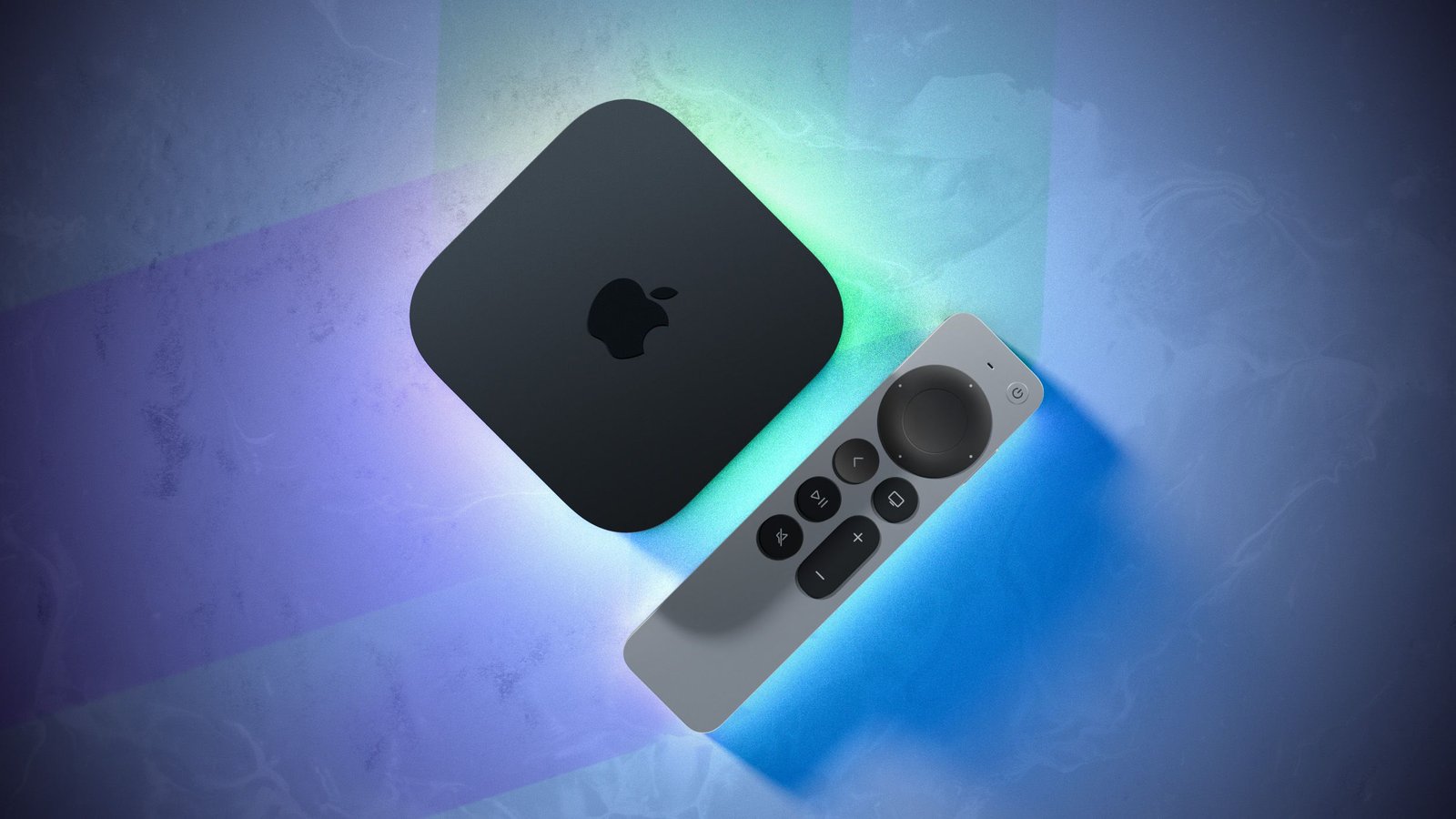
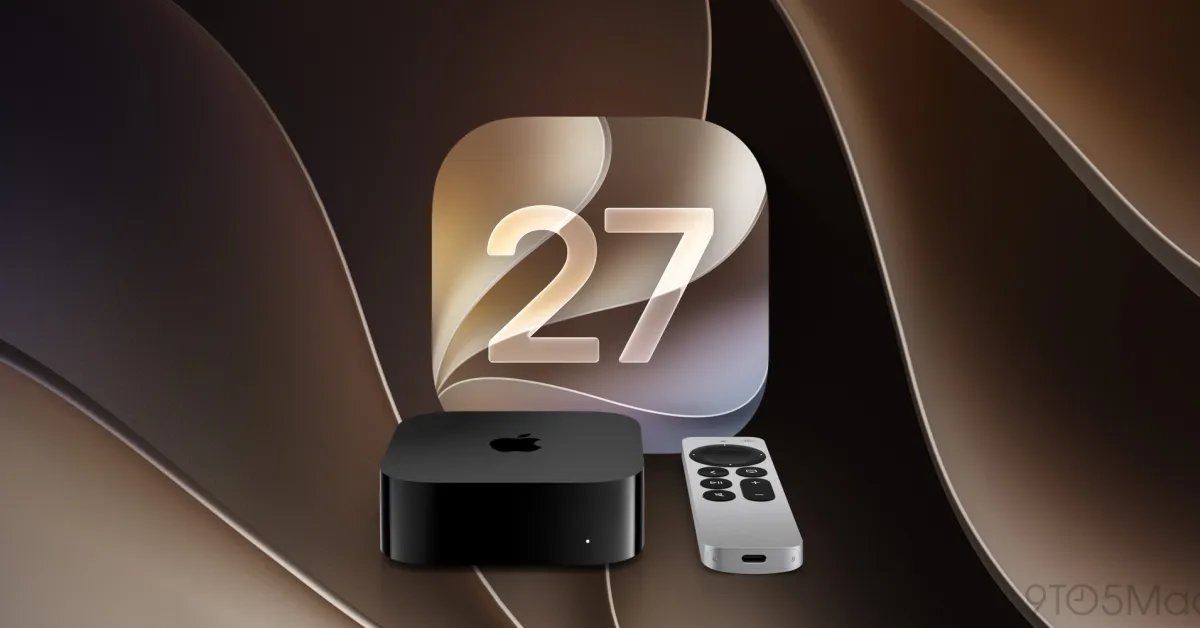
The upcoming release of tvOS 27 marks a significant shift in how the Apple TV 4K handles multimedia content, specifically within the Podcasts application. The most prominent addition in this update is the integration of HLS (HTTP Live Streaming) technology for video podcasts. This architecture is designed to provide a more stable and higher-quality streaming experience, aligning the Apple TV 4K experience with the capabilities recently introduced in iOS 26.4 and macOS 27 Golden Gate.
By utilizing HLS, the Apple TV can now dynamically adjust video quality based on real-time network conditions. This prevents the buffering issues often associated with fixed-bitrate streams, allowing users to transition seamlessly between different resolutions. For viewers watching long-form video podcasts on a high-definition television, this technical upgrade ensures that the stream remains consistent even if local internet congestion occurs. The inclusion of this technology across the Apple ecosystem demonstrates a unified strategy to push Podcasts beyond simple audio-only consumption, transforming the app into a robust platform for visual media.
Technical Advancements in Streaming Performance
The transition to HLS for video podcasts on the Apple TV platform is not merely a cosmetic change; it is an infrastructure overhaul. HLS operates by breaking a video stream into a series of smaller, short-form file downloads. Each file is played in sequence, allowing the player to quickly switch to a different quality level if the connection speed changes. This methodology is the industry standard for reliable video delivery, and its implementation in tvOS 27 ensures that the Apple TV 4K can handle high-definition video files with greater efficiency.
For creators, this means their content will be delivered with less friction, and for users, it results in faster load times and fewer interruptions. The consistency of this experience is crucial for long-duration content, such as interview-style programs or visual deep dives that have become popular in the podcasting space. As Apple continues to refine its software, the alignment of playback technology across iPhone, iPad, Mac, and now Apple TV, signifies a maturation of the Podcasts app as a serious content delivery vehicle.
The Removal of Custom URL Feeds
While the introduction of HLS technology is a positive step forward, the tvOS 27 update comes with a notable constraint: the removal of support for podcasts added via custom URLs. In previous versions, users could manually input an RSS feed link to subscribe to shows that were not hosted on Apple’s primary directory. This was frequently used for private, membership-only content or independent niche podcasts that bypassed centralized distribution systems.
Following the update, the tvOS version of the Podcasts app will strictly rely on the Apple-hosted directory. This change will affect users who rely on the Apple TV to consume premium, paid-subscriber content delivered through private RSS feeds. Interestingly, this limitation is specific to the tvOS implementation. Other platforms, including the iPhone, iPad, Apple Watch, and Vision Pro, will continue to support custom feeds under their respective OS 27 updates. This discrepancy leaves a temporary gap in functionality for power users who have integrated their Apple TV 4K into a custom content workflow.
Assessing the Impact on Content Accessibility
The removal of custom URL support raises questions about the future of platform parity. Because tvOS 27 is only available for the second- and third-generation Apple TV 4K models, users still utilizing the original Apple TV 4K—which remains capped at tvOS 26—will maintain access to custom URL feeds for the time being. This creates a bifurcated experience where hardware capability dictates software feature sets.
For those affected, the impact is primarily felt by listeners of independent creator networks or niche enthusiast groups who host their own content on private servers. While many of these creators are migrating to managed platforms to reach wider audiences, those who preferred the privacy and direct control of RSS-based subscriptions will now need to cast or airplay such content from a mobile device or a Mac to their television. This introduces a level of inconvenience that was not present in earlier versions of the software. It is reasonable to expect that feedback from the user community may encourage Apple to restore this functionality in a subsequent incremental update, as the technology to support these feeds clearly remains present in the underlying code of the Apple ecosystem.
Strategic Outlook for Apple TV Media Consumption
Looking ahead, the shift toward a more standardized, Apple-curated library for the television interface suggests a focus on stability and user safety. By prioritizing HLS video playback and consolidating the content feed, Apple aims to minimize playback errors and simplify the user interface. While the loss of custom URL support is a drawback for a specific subset of users, the broader trend is clearly aimed at high-performance streaming for mainstream video podcasts.
Users anticipating the tvOS 27 update should be aware of these changes before upgrading. Those who heavily rely on private podcast feeds for their daily listening or viewing habits may want to evaluate their playback strategy. Ultimately, the addition of robust HLS video support represents a significant improvement for the majority of the user base, cementing the Apple TV 4K as a primary home entertainment hub capable of delivering high-quality video content with the same reliability as major streaming services. The update serves as a reminder that as software platforms evolve, feature sets can sometimes shift to accommodate new technologies, even when it means sunsetting long-standing, niche capabilities.
Disclaimer: This content is auto-generated for informational purposes only.
Source: Read Original News