









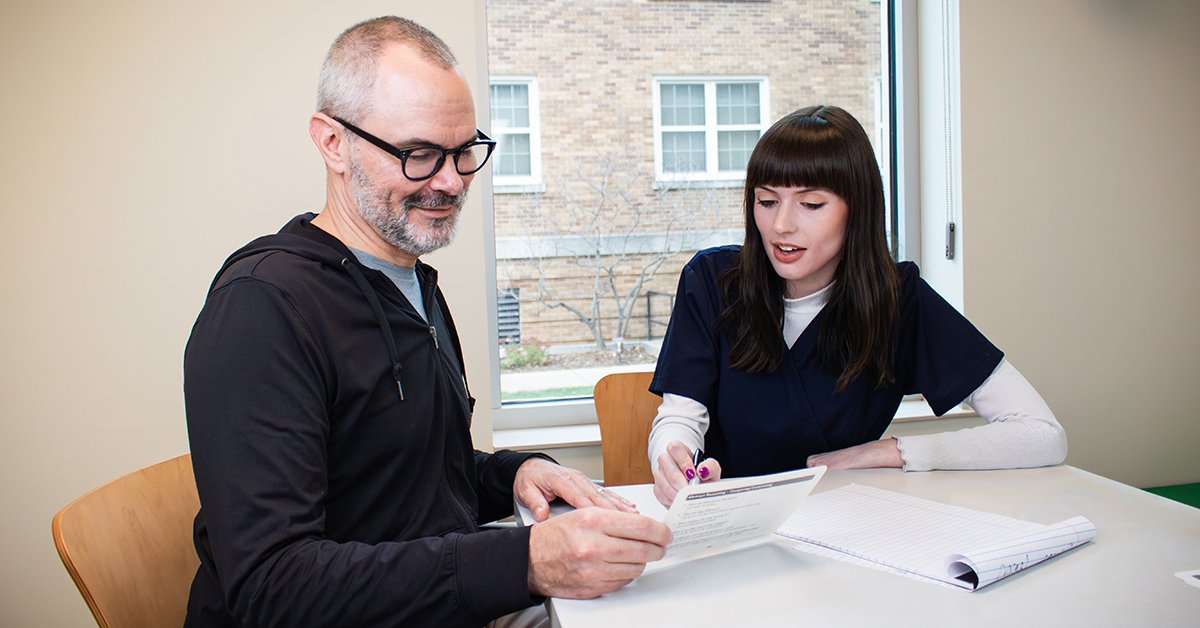
For many neurodivergent patients, a routine trip to the clinic is not a simple administrative task; it is a sensory gauntlet. The environment of a typical healthcare facility—characterized by harsh, flickering fluorescent lights, the unpredictable hum of medical machinery, sterile odors, and the pressure of rapid-fire communication—can create significant barriers for autistic and neurodivergent individuals. As healthcare professionals work to provide more equitable care, there is an urgent push to move beyond traditional clinical standards toward a model of neurodiversity-affirming practice.
Current data from the CDC suggests the necessity of this shift. With approximately 1 in 31 children in the U.S. identified with autism spectrum disorder as of 2022, neurodivergent patients are a consistent presence in emergency departments, primary care offices, and specialized clinics. However, these patients frequently report lower quality of care compared to their neurotypical peers. Research indicates that up to 80% of autistic adults struggle to access general practitioner services, often citing difficulties in navigating appointment systems, managing sensory input, and communicating health concerns.
The consequences of these systemic hurdles are profound. When an environment feels inaccessible or overwhelming, patients may avoid necessary screenings, delay urgent procedures, or become disengaged from their own health management. This creates a cycle where “difficult” behavior—often a natural response to an overstimulating or poorly adapted environment—is mislabeled as noncompliance.
Experts in nursing are now emphasizing that the responsibility for bridging this gap lies with the provider, not the patient. “The question is not whether nurses will care for autistic and neurodivergent patients,” notes Nicoletta Boik, BSN, RN, in a recent assessment for Elmhurst University. “The question is whether nurses will be prepared to care for them well.”
A critical component of this preparation is the shift in how health systems handle patient language and interaction. While there is no universal consensus, many in the neurodivergent community advocate for “identity-first” language—such as “autistic person”—which views neurodivergence as an intrinsic part of the individual’s identity rather than a condition to be separated from them. By asking patients how they prefer to be addressed, nurses can establish a foundation of cultural humility and mutual respect before the clinical assessment even begins.
Creating a more inclusive environment does not require a total institutional overhaul; rather, it requires small, intentional adaptations that prioritize the patient’s sensory and cognitive needs. Practical, low-cost interventions are often the most effective. Reducing background noise, dimming lights in an examination room, or simply providing a clear, written sequence of events before a procedure can significantly decrease a patient’s anxiety and improve the accuracy of information exchanged.
Furthermore, communication strategies play a vital role. For many neurodivergent patients, processing verbal information takes more time, and direct eye contact may not be the standard marker of engagement or honesty. Nurses are encouraged to shift toward providing concrete, one-step-at-a-time instructions and allowing for “processing pauses” rather than immediately repeating questions or assuming the patient is inattentive.
Perhaps the most sustainable change is in the documentation process. Traditional medical charting often labels patients as “difficult” or “resistant” when they struggle with a procedure. A neurodiversity-affirming approach replaces these labels with actionable insights. Instead of documenting that a patient was “uncooperative during a blood draw,” a clinician might document that the patient “benefits from advance warning before physical contact, step-by-step narration, and reduced sensory stimulation.” This transforms an individual’s needs into a roadmap for future care, ensuring that the patient is not just treated, but understood.
Ultimately, the goal of inclusive healthcare is to ensure that the medical system adapts to the patient, rather than forcing the patient to adapt to a system that may not account for their neurological needs. By focusing on individualization and sensory accessibility, nursing professionals can help dismantle the barriers that have long prevented neurodivergent populations from receiving the quality of care they deserve.
Disclaimer: This content is auto-generated for informational purposes only.
Source: Read Original News