








In a strategic move to bolster national food security and promote sustainable agricultural practices, the Saudi Ministry of Environment, Water and Agriculture has announced a significant investment opportunity centered on aquaponics technology in the Jubail Governorate. The project, facilitated through the government’s “Furas” platform, invites private sector participation to establish a large-scale fish and plant production facility covering an expansive 40,000-square-meter area.
This initiative is part of a broader push within the Kingdom to integrate high-tech solutions into the agricultural sector, aligning with Saudi Vision 2030’s objectives of achieving greater self-sufficiency and resource efficiency. By leveraging the unique benefits of aquaponics, the Ministry aims to diversify the local economy while simultaneously protecting natural resources in the Eastern Province.
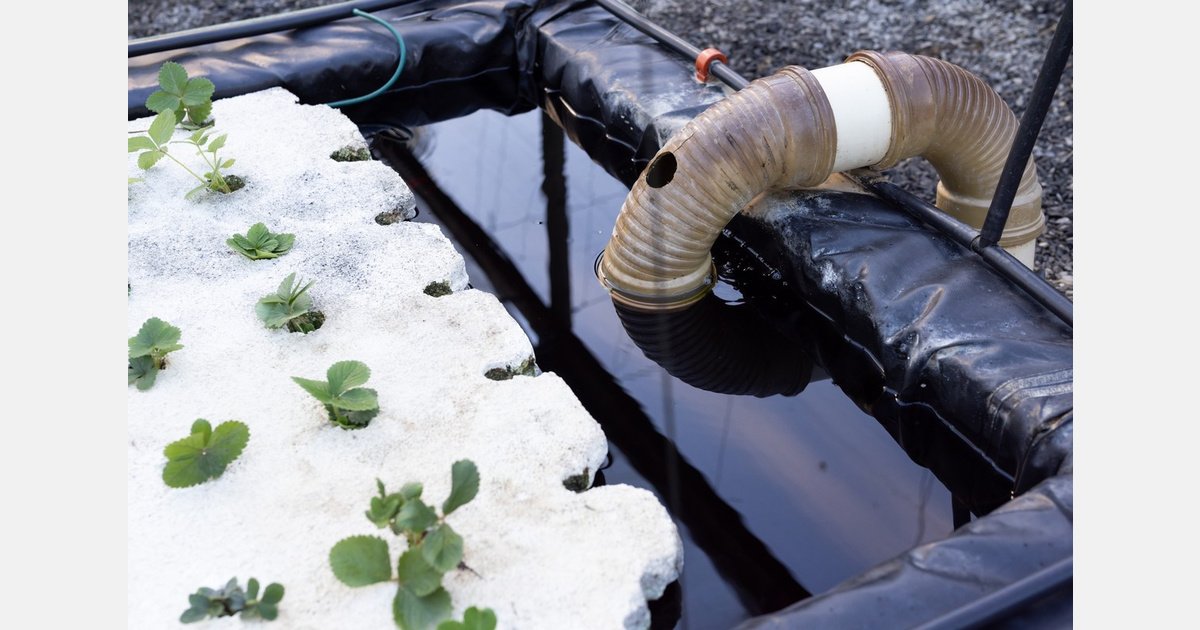
Aquaponics represents a closed-loop ecosystem that synergizes aquaculture (fish farming) with hydroponics (soil-less plant cultivation). In this symbiotic arrangement, nutrient-rich waste generated by fish provides an organic fertilizer source for plants. Simultaneously, the plants act as a natural filtration system, cleaning and oxygenating the water as it cycles back to the fish tanks.
According to officials, this method is significantly more sustainable than traditional farming techniques, as it requires minimal water replenishment compared to conventional field irrigation. Furthermore, by eliminating the need for synthetic fertilizers and chemical pesticides, the project is expected to produce high-quality, eco-friendly crops and protein sources, contributing to improved public health and environmental conservation.
Beyond its environmental advantages, the Jubail project is positioned to enhance local biodiversity and mitigate some of the challenges posed by the region’s arid climate. In a country where arable land and freshwater resources are limited, the shift toward soil-less, water-efficient agriculture is viewed as a vital step in ensuring long-term food stability. By converting nutrient waste into a valuable resource, the project maximizes production output while drastically reducing the environmental footprint typically associated with intensive farming operations.
The Ministry has structured the investment opportunity to attract specialized partners capable of managing high-yield aquatic and horticultural systems. The project is not only an agricultural venture but a technical one, requiring sophisticated water management and biological monitoring to maintain the delicate balance of the aquaponic ecosystem.
For potential investors, the Furas platform serves as the central hub for accessing detailed project specifications, tender terms, and site requirements. The government’s decision to open this 40,000-square-meter site to competitive bidding highlights the proactive role the state is playing in de-risking and promoting advanced agricultural technologies. By providing the land and establishing the framework, the Ministry is clearing the path for private innovators to scale up sustainable food production.
The deadline for submitting bids is set for November 27. As the Kingdom continues to modernize its agricultural infrastructure, the Jubail aquaponics facility is expected to serve as a model for future developments. If successful, the project could pave the way for a network of similar sustainable farms, cementing Saudi Arabia’s position as a regional leader in climate-resilient food production.
The integration of such technology reflects a deep understanding of the global movement toward circular economies, where waste is viewed as a resource and production cycles are designed to exist in harmony with the local environment. As the deadline for the tender approaches, industry experts are closely monitoring the interest from both local and international agricultural technology firms looking to contribute to the Kingdom’s evolving food security landscape.
Disclaimer: This content is auto-generated for informational purposes only.
Source: Read Original News