








The Strategic Pivot in India’s Energy Import Basket
India, the world’s third-largest consumer and importer of energy, is undergoing a profound transformation in its supply chain procurement. Historically, the nation has relied heavily on the Middle East for its Liquified Petroleum Gas (LPG) requirements, with roughly 90 percent of imports originating from the Persian Gulf. However, the recent escalation of geopolitical tensions in the Middle East, particularly affecting the critical maritime chokepoints like the Strait of Hormuz, has forced New Delhi to diversify its energy sources.
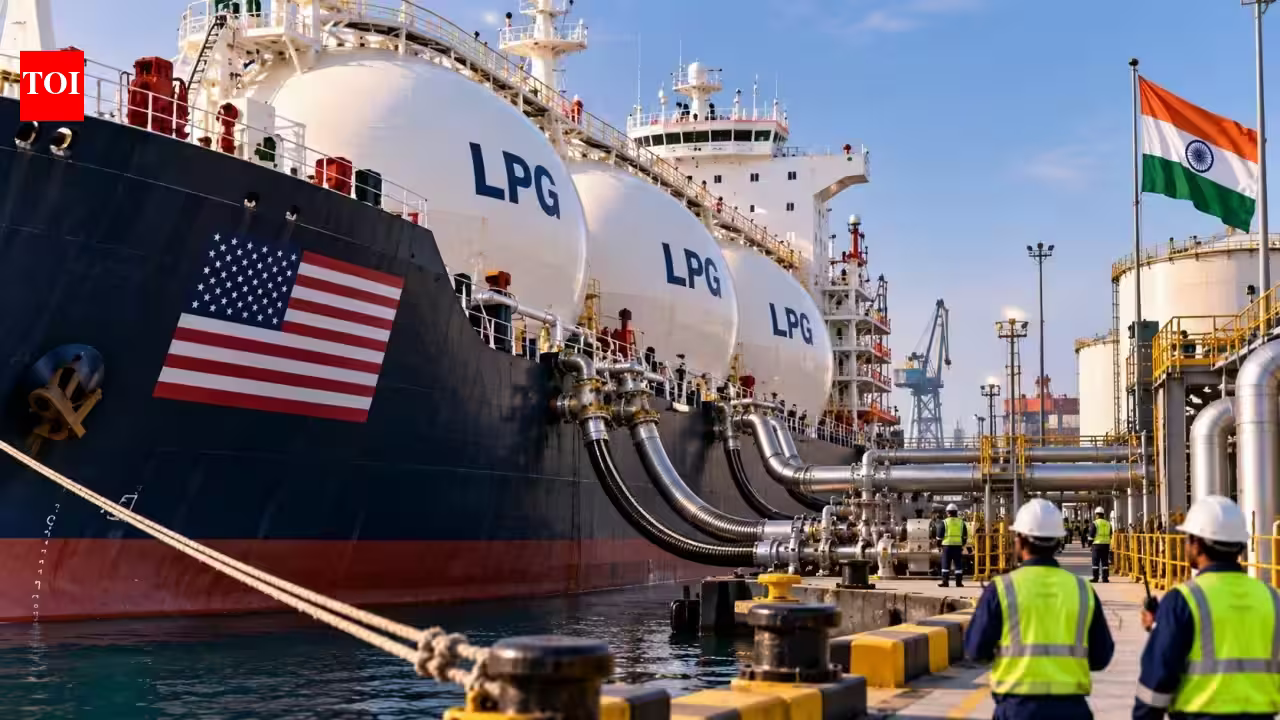
This shift has propelled the United States into the position of India’s leading LPG supplier. While crude oil often dominates the headlines regarding US-India energy cooperation, the rapid increase in LPG shipments represents a critical development in national energy security. As India seeks to maintain its domestic cooking gas programs and fuel its burgeoning petrochemical sector, the reliance on American LPG—despite the logistical challenges and longer transit times—is becoming a permanent fixture of India’s import landscape.
Analyzing the Surge in US LPG Exports to India
The shift toward American energy has been rapid and data-driven. Beginning in early 2025, the supply chain disruption in the Middle East created a vacuum that the US, as a global leader in LPG production, was uniquely positioned to fill. Market data shows that the share of US LPG in India’s total imports surged from approximately 12 percent in January 2025 to a staggering peak of 73 percent by July 2025.
This transition occurred as major Gulf suppliers, including the UAE, Qatar, and Saudi Arabia, saw their market shares dwindle. The necessity of maintaining a steady supply for household cooking gas—a high-priority political and social objective in India—meant that the federal government and state-run oil marketing companies were compelled to prioritize availability over traditional cost structures. Consequently, the reliance on the US served as a buffer, preventing potential shortages that could have disrupted millions of Indian households.
Logistical Challenges and Pricing Mechanisms
The move toward the US market is not without its economic hurdles. Sourcing LPG from the US Gulf Coast introduces significant logistical complexities compared to the short-haul trade routes from the Middle East. Shipments from Houston must traverse the Panama Canal, resulting in transit times of 30 to 45 days, compared to the brief three-to-four-day journeys from the Gulf.
However, market analysts point to a fundamental difference in pricing frameworks that mitigates some of these logistical costs. Middle Eastern supplies are traditionally pegged to the Saudi Contract Price (CP), which is closely tied to volatile global crude oil benchmarks and adjusted monthly. In contrast, US pricing is frequently indexed to the Mont Belvieu hub, reflecting the daily spot prices of the North American shale sector. This difference allows Indian buyers to benefit from daily visibility and greater price hedging capabilities. While freight costs have certainly increased due to the longer distances and fluctuating maritime risks, the structurally lower Free-on-Board (FOB) prices at the US Gulf Coast have helped normalize the overall landed cost, making the American route an economically viable alternative during periods of instability.
Domestic Demand and Structural Market Adjustments
The changing nature of India’s LPG landscape is not solely about where the gas originates; it is also about how consumption is being managed. Recent data indicates a shift in consumption patterns, with a notable decline in demand from non-essential industrial sectors. Government mandates to prioritize LPG for residential cooking gas have resulted in a reduction in overall demand, which, combined with increased refinery output within India, has changed the math of import reliance.
Domestic refineries are expanding their processing capabilities, allowing India to produce a greater portion of its LPG internally. This, alongside a more strategic procurement approach, has stabilized the import requirement. The shift is further underscored by the development of gas-based petrochemical plants in India, which require long-term, reliable supply contracts. The growing partnership with the US is not merely a short-term reaction to conflict but appears to be part of a broader industrial strategy to secure feedstocks for the next decade.
Sustainable Trends and the Future of Energy Procurement
As geopolitical conditions remain fluid, the question remains whether the US will maintain its current 50 percent-plus share of India’s LPG imports. Evidence from late 2025 suggests that as supply lines from the Middle East show signs of recovery, the import mix is diversifying once again. August data showed a modest return of UAE and Algerian shipments, reflecting the inherent preference for shorter, more cost-effective routes when they are available.
However, the Indian government’s long-term planning suggests a permanent diversification. Proposals for Indian oil companies to source at least 15 to 25 percent of their LPG through annual agreements with US suppliers indicate a desire to institutionalize this relationship. Such long-term contracts serve two purposes: they ensure supply security and strengthen the bilateral trade dialogue between New Delhi and Washington. With set goals for bilateral trade reaching into the hundreds of billions of dollars by 2030, energy imports are increasingly viewed as a cornerstone of the broader trade deal.
Conclusion: A New Era of Energy Diplomacy
The transformation of India’s LPG import mix from a single-source regional model to a global, diversified strategy is a testament to the country’s growing economic resilience. While the immediate catalyst for this change was the volatility in the Middle East, the resulting infrastructure and contract frameworks represent a maturation of India’s energy diplomacy.
The US has successfully established itself as an indispensable partner in India’s energy security. While the intensity of this reliance may fluctuate as traditional routes stabilize, the integration of American energy into the Indian market is unlikely to be fully reversed. By balancing the lower costs of Middle Eastern proximity with the security and pricing transparency of American supply, India is building a more robust and flexible energy system, well-equipped to navigate the uncertainties of the global commodity markets. Through the next several years, this strategic pivot will remain a defining feature of India’s industrial and domestic energy policy.
Disclaimer: This content is auto-generated for informational purposes only.
Source: Read Original News