









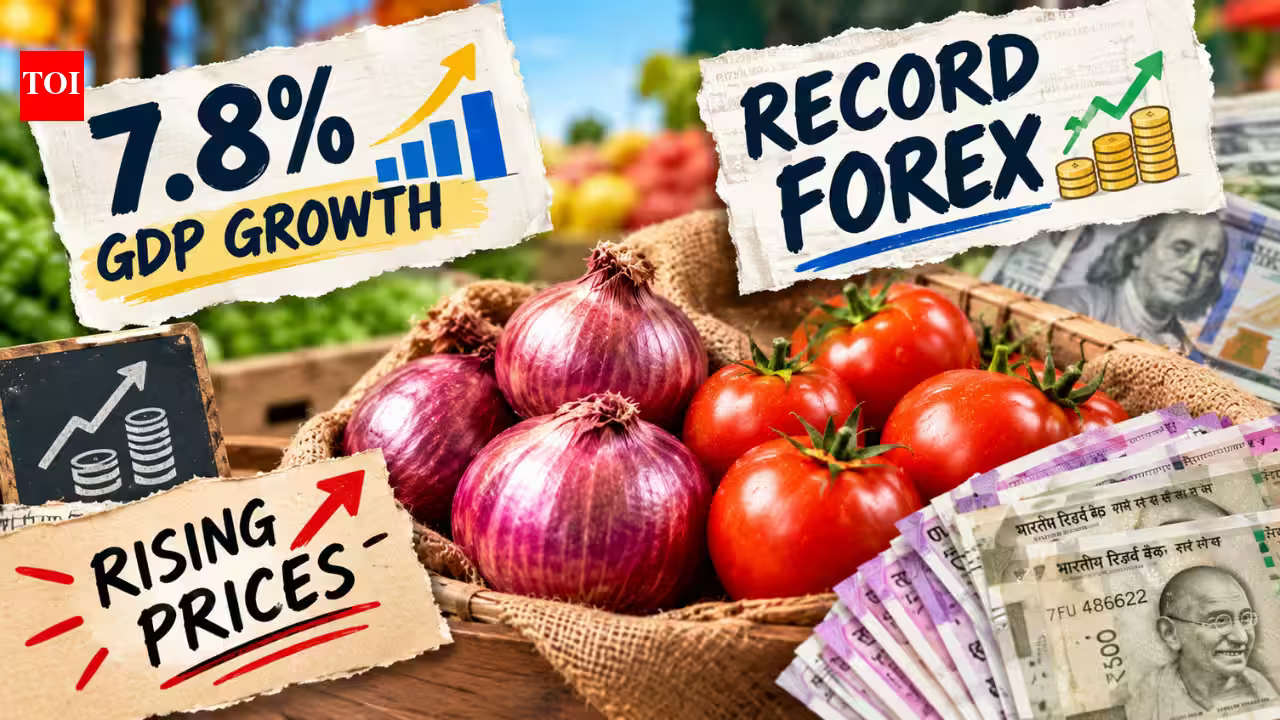
The Paradox of Prosperity: GDP Growth vs. Household Reality
India’s macroeconomic indicators currently present a narrative of significant strength. With the economy recording a robust 7.8% growth rate in the April-June quarter of FY27, the nation has outperformed the Reserve Bank of India’s projections. Simultaneously, the country’s foreign exchange reserves have surged past $740 billion, marking a record high sustained over several weeks of growth. However, this high-level prosperity is increasingly disconnected from the ground-level experience of the average Indian consumer, who is navigating a tightening kitchen budget.
While the national ledger reflects expansion, the domestic shopping basket tells a story of persistent inflation in essential commodities. Key kitchen staples, including sugar, edible oils, milk, and onions, have experienced significant price volatility. This disconnect creates a challenging environment for household financial management, where the rising cost of living threatens to neutralize the benefits of broader economic growth. The increase in the cost of a basic vegetarian thali by 1% and a non-vegetarian thali by 5% year-on-year in August serves as a barometer for this inflationary pressure.
The Sugar Crisis and its Ripple Effects
Sugar has emerged as a primary driver of the current inflationary trend, with retail prices climbing significantly. In September, the all-India average retail price surged to approximately Rs 62 per kg, compared to Rs 47 in June. This 19% year-on-year increase is compounded by a shortfall in production; output for the current season is estimated at 306 lakh metric tonnes, falling well short of initial expectations due to adverse weather conditions and pest infestations.
The implications of these price hikes extend deep into the processed food sector. Companies specializing in biscuits, confectionery, carbonated beverages, and malted drinks are facing intense margin compression. To manage these elevated procurement costs, manufacturers are forced to evaluate pricing strategies. While the government has intervened by allowing duty-free imports of raw sugar and implementing stockholding limits to mitigate hoarding, the supply-side tightness remains a significant hurdle. For the consumer, this translates to either higher retail prices or the subtle phenomenon of shrinkflation, where companies maintain the unit price while reducing the product quantity per pack to protect their financial margins.
Edible Oil and the Global Commodity Squeeze
Beyond sugar, the edible oil segment is exerting substantial pressure on household expenditures. Domestic edible-oil inflation reached 7.84% in July, a sharp increase from 2.82% in March. This trend mirrors global patterns, where the FAO Vegetable Oil Price Index recorded a 17.3% rise over the same period. Since edible oil is a staple for both home cooking and the commercial manufacturing of snacks and bakery items, its price escalation acts as a multiplier for cost inflation across the entire food supply chain.
International market dynamics further exacerbate these challenges. Adverse weather conditions in major producing regions and logistics disruptions have kept global prices for wheat, coffee, and cocoa elevated. Even as domestic stocks of foodgrains like rice and wheat remain comfortably above buffer norms, the interconnected nature of global food markets means that India is not insulated from international commodity shocks. As global food agencies report rising price indices for cereals, dairy, and meat, the vulnerability of the domestic market to external supply constraints becomes more pronounced.
Crude Oil: The Hidden Tax on Essential Goods
A critical, albeit indirect, contributor to food inflation is the volatility in crude oil prices. As global tensions in West Asia escalate, the cost of the Indian crude oil import basket has periodically crossed the $100-a-barrel threshold. This directly impacts the domestic economy through increased transportation and logistics costs, which are essentially a hidden tax on every item moving through the supply chain.
When fuel prices rise, the cost of moving perishable vegetables, distributing processed goods, and operating manufacturing facilities increases. For oil marketing companies, prolonged high crude prices create a dilemma: they must either absorb the under-recoveries—which can amount to significant daily losses—or pass the cost to the consumer through higher retail prices at the pump. Given the current geopolitical climate, the risk of sustained high energy costs remains a persistent threat to price stability, potentially neutralizing government efforts to curb inflation through monetary and fiscal policy.
Navigating the Future of Consumer Spending
The outlook for the remainder of the fiscal year suggests that while the broader economy may remain on a growth trajectory, the household kitchen will continue to face volatility. Retail inflation is projected to climb, with food inflation significantly outpacing general price indices. Analysts indicate that companies are shifting their cost structures; where cereal-heavy portfolios may offer some insulation, those reliant on specialty ingredients, coffee, and sugar are likely to see continued upward pressure on retail prices.
The government maintains a strong position due to substantial foodgrain reserves and healthy forex buffers, which provide the fiscal space to manage supply shocks. However, structural challenges in agricultural output and dependency on global trade logistics mean that price shocks in specific categories are difficult to avoid entirely. For the Indian business sector, the priority is shifting toward operational efficiency and supply chain resilience. For the consumer, the period ahead will likely be defined by a need for strategic budgeting, as the cost of basic nutrition continues to remain higher than in previous cycles, despite the headlines of national economic success. The central challenge for policymakers will be ensuring that the benefits of an 7.8% GDP growth rate are not entirely eroded by the daily struggle against rising grocery bills.
Disclaimer: This content is auto-generated for informational purposes only.
Source: Read Original News