








A Generational Leap in Processing Power
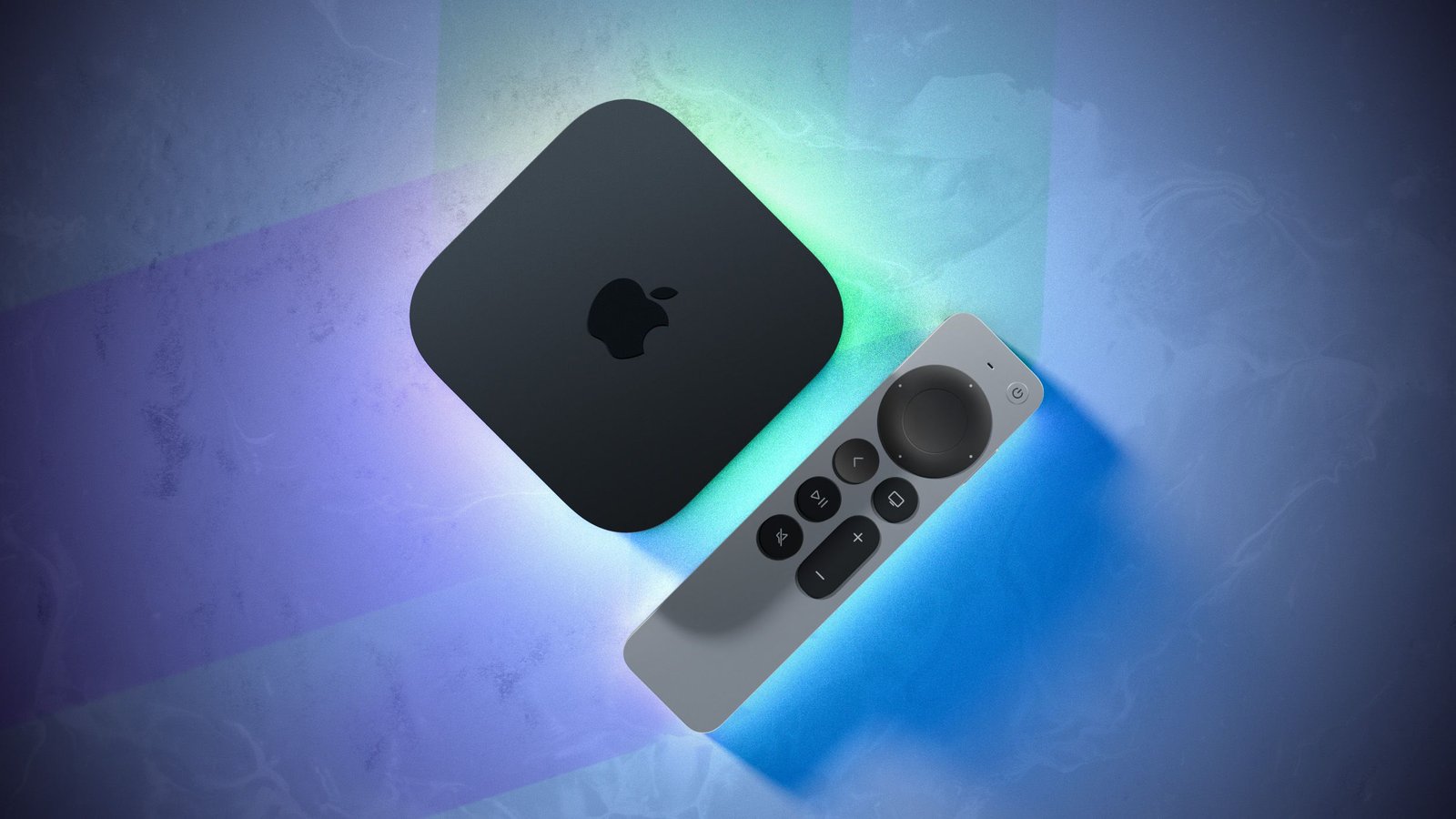
Evidence uncovered within the latest firmware code indicates that Apple is preparing a significant hardware overhaul for the next iteration of the Apple TV 4K. By transitioning from the current A15 Bionic architecture to the A19 or A19 Pro generation of silicon, the upcoming device is poised to shift from a media playback hub to a high-performance computing peripheral.
The A19 series represents the cutting edge of Apple’s custom silicon design. Transitioning to this architecture allows for substantial improvements in thermal efficiency and computational throughput. While the previous A15 Bionic was sufficient for high-bitrate 4K HDR streaming and casual gaming, the A19 is designed to handle intensive, on-device machine learning tasks. This hardware jump suggests that Apple intends to unify its home ecosystem, ensuring that the living room console possesses the necessary overhead to support software features that were previously restricted to high-end tablets and smartphones.
Expanded Memory Architecture
A critical component of this leak is the identification of increased RAM capacity. The current 2022 model, which relies on 4GB of memory, has been a reliable performer for standard streaming applications. However, the move to 8GB or 12GB of RAM signals a fundamental change in the device’s operational capacity.
In modern consumer electronics, RAM acts as the bottleneck for multi-tasking and complex software. With 8GB to 12GB of memory, the next Apple TV will be capable of maintaining multiple high-demand applications in a suspended state, reducing load times and preventing the frequent background refreshing of user interfaces. Furthermore, this increase is essential for supporting the large language models and neural processing requirements inherent in the rumored Siri AI integration. By providing a larger memory buffer, Apple ensures that the device can manage real-time voice synthesis and predictive user behavior without sacrificing the smoothness of the tvOS interface.
The N1 Wireless Networking Chip
Beyond core processing, the integration of an Apple-designed N1 wireless networking chip marks a departure from reliance on third-party connectivity components. This move is consistent with the company’s broader strategy of vertical integration. The N1 chip is expected to bring native support for Wi-Fi 7, the latest standard in wireless networking.
Wi-Fi 7 introduces features such as Multi-Link Operation, which allows a device to connect across multiple frequency bands simultaneously. For an Apple TV, this translates into significantly lower latency and higher throughput, which is critical for high-fidelity cloud gaming and the seamless streaming of high-bitrate media. As households continue to adopt 8K content and bandwidth-heavy smart home devices, the transition to a dedicated, high-speed networking chip will prevent network congestion and provide a more stable experience for users who rely on wireless connections rather than hardwired Ethernet.
Siri AI and the Intelligent Interface
The most anticipated feature of this upgrade is the introduction of advanced Siri AI support. While voice control has been a part of the Apple TV ecosystem for years, the current implementation is largely transactional, relying on cloud-based queries for basic tasks. The inclusion of the A19 chip suggests that future voice interactions will be processed locally, leading to faster response times and enhanced privacy.
The implementation of on-device intelligence will likely change how users navigate their media libraries. Instead of relying solely on categories or manually searched titles, the interface may shift toward proactive, context-aware suggestions. By analyzing viewing habits and time-of-day trends, the device can potentially curate content libraries that adapt to the user’s preferences, effectively acting as an intelligent agent rather than a passive player. This integration is supported by the massive increase in RAM, providing the necessary sandbox for these artificial intelligence models to operate locally.
Refining the Interaction Experience
Rumors also point toward a revised Siri Remote, which would serve as the primary tactile interface for the new hardware capabilities. While the current remote has been praised for its touch-enabled clickpad and aluminum construction, a new iteration would likely focus on better integration with the revamped AI features.
A hardware refresh for the remote could include more precise haptic feedback or dedicated sensory inputs designed to facilitate faster interaction with the operating system’s new AI-driven menus. When paired with the high-performance processor, the remote becomes more than just a controller; it becomes the bridge between the user and the predictive interface. These updates indicate that Apple is focused on creating a frictionless transition from standard streaming to a high-end, AI-enhanced home experience, consolidating its hardware leadership in the living room space.
Disclaimer: This content is auto-generated for informational purposes only.
Source: Read Original News