








PM Modi Calls for Global Expansion of UPI at Global Fintech Fest 2026
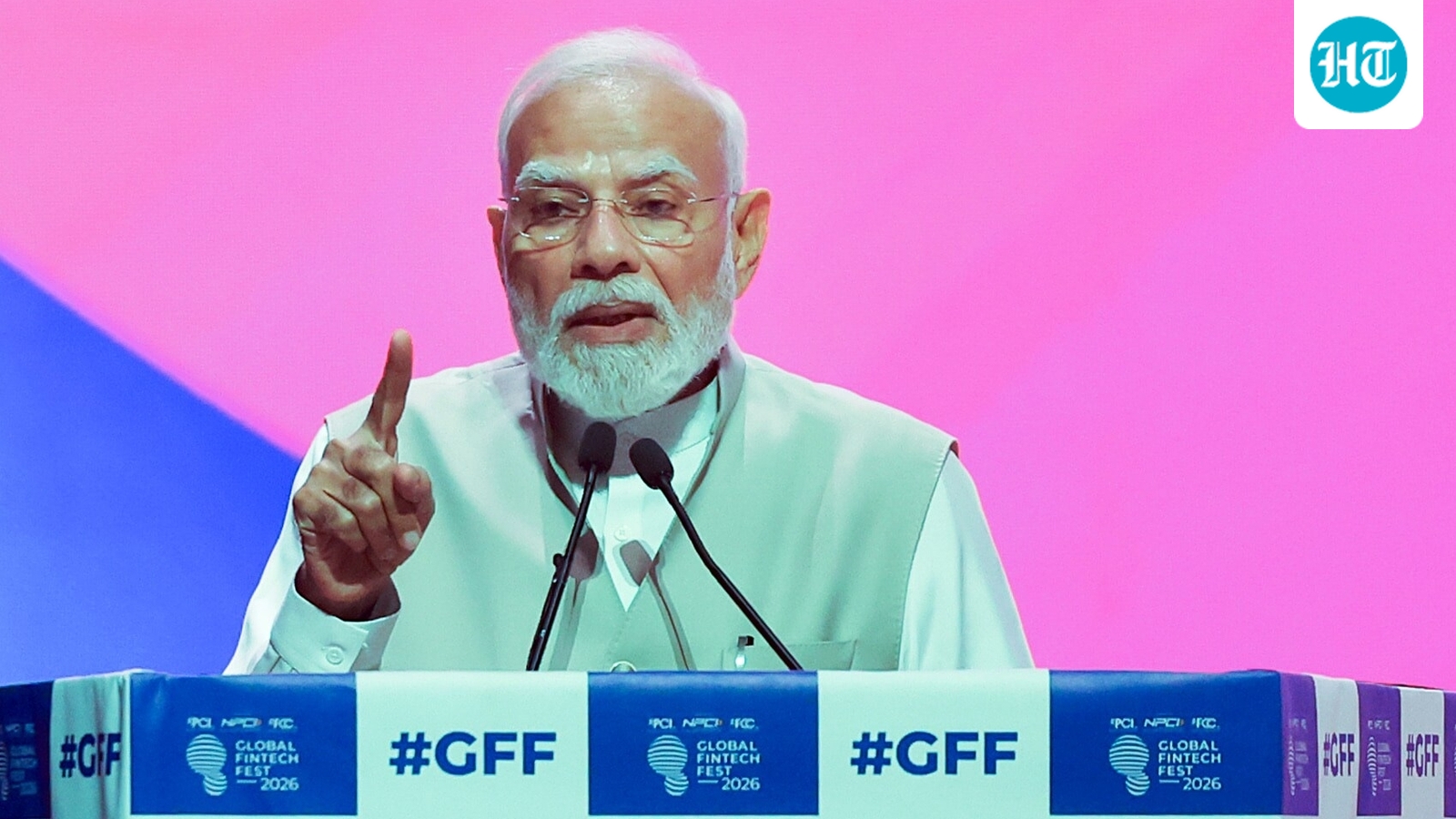
Mumbai: Prime Minister Narendra Modi inaugurated the 7th edition of the Global Fintech Fest (GFF) in Mumbai on Tuesday, setting a bold agenda for the next phase of India’s digital financial revolution. Emphasizing the need to transcend domestic success, the Prime Minister challenged the fintech industry to scale the Unified Payments Interface (UPI) globally, positioning it as a tool for economic empowerment and international connectivity.
Addressing a gathering of industry leaders and innovators, the Prime Minister highlighted the resilience of the Indian economy, noting its 7.8% real GDP growth during a quarter marked by severe global headwinds, including the impact of the West Asia conflict. This performance, he noted, has bolstered global confidence in India’s structural stability.
Taking UPI to the World
Building on the momentum of the past decade—during which UPI clocked a staggering 24.51 billion transactions as of August 2026—PM Modi urged stakeholders to prioritize markets with significant Indian diaspora populations and strong trade ties.
“Our diaspora works hard in foreign lands and remains the largest contributor to remittances,” the Prime Minister stated. “By connecting UPI with local payment systems abroad, we can drastically reduce transaction costs and ensure that money reaches families faster and more efficiently.”
Pointing to the success of UPI’s integration with Singapore’s payment infrastructure, which allows for near-instant cross-border transfers, the Prime Minister noted that India now possesses a robust alternative to Western-designed payment card systems. “We now have the capability to establish our own rules and international standards, linking them seamlessly with the global financial architecture,” he added.
Beyond Payments: The Next Frontier
While the first chapter of India’s fintech success was defined by revolutionizing digital payments, the Prime Minister signaled that the next phase must focus on “non-payment” financial services. He encouraged the industry to innovate in areas such as insurance, pension schemes, and savings products.
Drawing a parallel to the success of the PM-SVANidhi scheme, which utilized UPI-driven credit to boost the income of street vendors by 20%, Modi urged developers to make financial services as accessible as scanning a QR code. He noted that the true potential of fintech lies in its ability to offer curated, need-based financial models for every individual.
Security and Ethical Standards
As the industry pivots toward cutting-edge technologies—including agentic Artificial Intelligence, quantum computing, and advanced tokenisation—the Prime Minister emphasized the critical need for a foundation of trust. He called upon the fintech community to prioritize:
- Cyber Security: Ensuring that India’s digital infrastructure remains impenetrable against evolving threats.
- Ethical Data Protection: Maintaining high standards of user privacy and data integrity.
- Consumer Protection: Developing a transparent rating index to hold companies accountable to their users.
Reflecting on India’s broader economic standing, the Prime Minister cited the recent upgrade of India’s credit rating to ‘A-’ by the Japan Credit Rating Agency—the first such move in three decades—as a testament to the nation’s enduring growth momentum and macroeconomic health. He concluded by calling for a unified ecosystem involving regulators, innovators, and the industry to ensure that India remains a beacon of stability in an uncertain global landscape.
Disclaimer: This content is auto-generated for informational purposes only.
Source: Read Original News