








India Must Prioritize Deeper Study of Chinese Domestic Politics, Says Former Foreign Secretary Vijay Gokhale
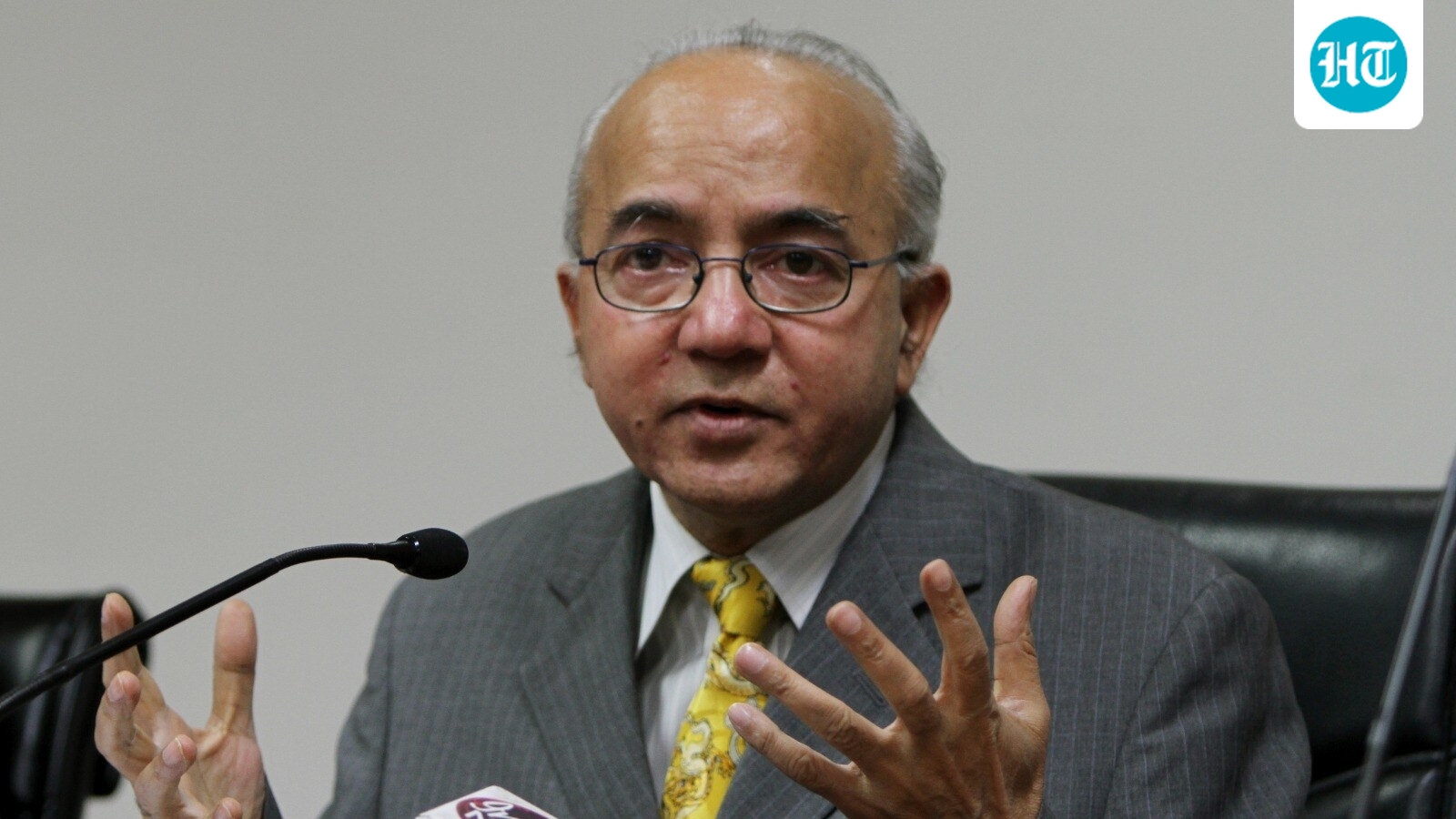
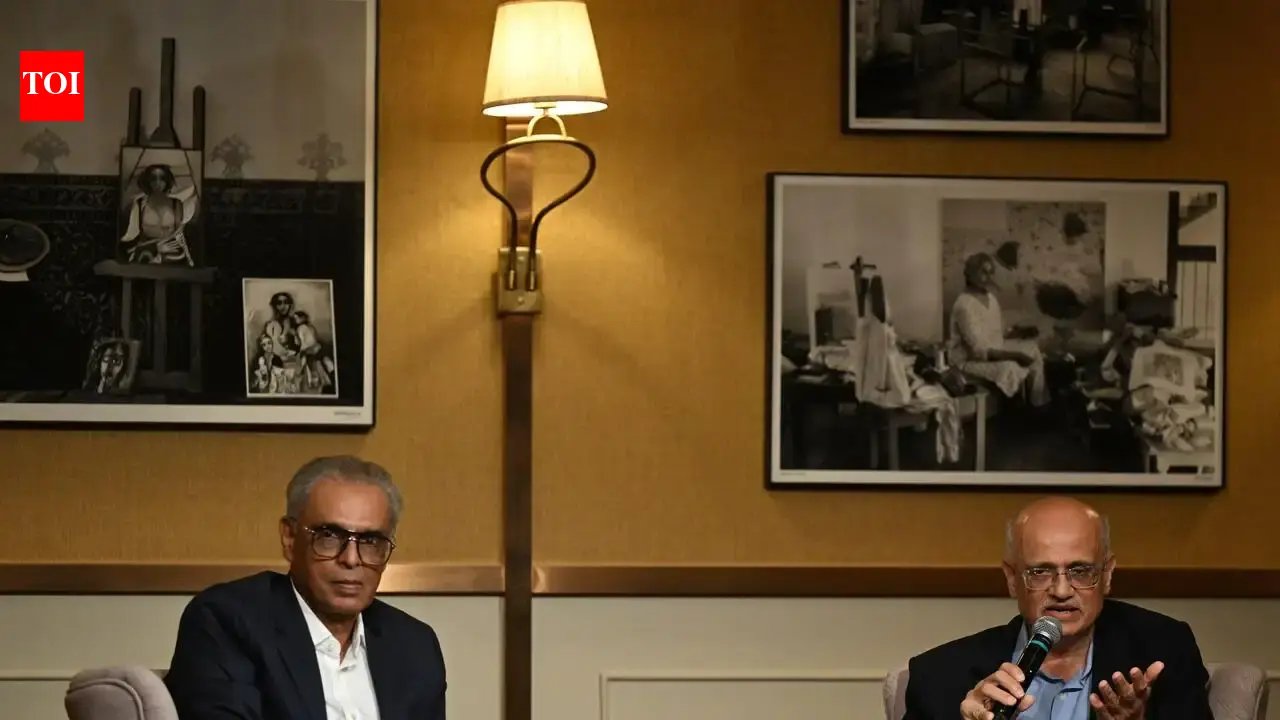
Hyderabad: India’s strategic community and policy watchers must shift their gaze from their traditional preoccupation with Pakistan and Bangladesh toward a more rigorous understanding of internal Chinese politics. This was the central message delivered by former Foreign Secretary Vijay Gokhale during a panel discussion in Hyderabad on Tuesday.
Gokhale, who served as India’s Ambassador to China and is the author of the recently released book China’s Wars, argued that while New Delhi tracks regional neighbors with intensity, its intellectual investment in deciphering Beijing’s complex internal political dynamics remains inadequate. Joined by Syed Akbaruddin, Dean of the Kautilya School of Public Policy, Gokhale cautioned that failing to understand the internal mechanisms of the Chinese Communist Party (CCP) could leave India blindsided regarding future security threats.
The Succession Vacuum and Potential Risks
A significant portion of Gokhale’s analysis focused on the inherent instability of the CCP’s leadership structure. He pointed out that throughout the party’s history, the transfer of power has rarely been smooth or predictable.
“China does not currently possess a formal succession plan, nor is there a clear heir apparent,” Gokhale noted. He highlighted that as President Xi Jinping approaches the age of 75, the lack of a defined transition path could exacerbate internal tensions. According to Gokhale, this environment is ripe for a resurgence of factionalism and power struggles.
“This represents a brewing political crisis,” Gokhale warned, adding that historically, regimes under internal pressure often look for “external adventures” to consolidate power or distract from domestic failures. He explicitly identified India as a potential target for such a geopolitical maneuver, underscoring the urgent need for a granular understanding of how Beijing’s internal political shifts might dictate its external military posturing.
Deconstructing the Conflict Calculus
While Gokhale emphasized the risk posed by China’s internal uncertainty, he also offered a measured assessment of the probability of active warfare. Despite the heightened rhetoric and ongoing border tensions, he believes that a full-scale conflict with India is not currently in Beijing’s best interest.
Gokhale identified two primary deterrents for the Chinese leadership. First, he highlighted the unpredictability of a modern conflict; given the parity and logistical challenges, China cannot guarantee a decisive victory. Such an outcome would dismantle the carefully curated image of China as a “peaceful, stabilizing force” in global politics, effectively unmasking it as an aggressive power—a narrative Beijing is desperate to avoid.
Second, the political stakes for the CCP are exceptionally high. “They require a decisive victory to justify such an action to their own people,” Gokhale explained. He reasoned that while India’s primary objective in a defensive scenario is to hold territory, China bears the burden of achieving an overwhelming win. Anything less would force the Chinese leadership to face uncomfortable questions from its own population regarding the necessity and cost of the conflict.
Ultimately, Gokhale’s address served as a call to action for Indian policymakers. By moving beyond a superficial reading of China’s military and economic strength and instead investigating the domestic drivers of its leadership, India can better anticipate the triggers that might lead to regional instability. As the geopolitical landscape shifts, deep-tissue intelligence on Beijing’s internal political climate may prove to be India’s most vital strategic asset.
Disclaimer: This content is auto-generated for informational purposes only.
Source: Read Original News