







The Shift from Digital Utility to Physical Preservation
The era of digital distribution fundamentally altered the relationship between players and their game libraries. While the convenience of instant downloads and cloud-based saves is undeniable, it effectively eliminated the tactile presence of PC gaming. For decades, the “big box” release was the industry standard, serving as both a marketing vehicle and a piece of functional art. These large, cardboard boxes were filled with manuals, maps, reference cards, and sometimes even physical artifacts that established the world-building of a game before the installation process had even begun.
GOG, a platform historically focused on game preservation and the compatibility of classic software, is now attempting to bridge the gap between digital convenience and the lost charm of physical ownership. By introducing “Printable Big Box” assets, the store is providing users with the tools to recreate the aesthetic experience of the late 20th and early 21st-century software market. This move represents a strategic pivot in how platforms can contribute to the cultural preservation of gaming history, shifting the focus from the executable file to the packaging that historically defined a title’s shelf presence.
Technical Specifications and Asset Formats
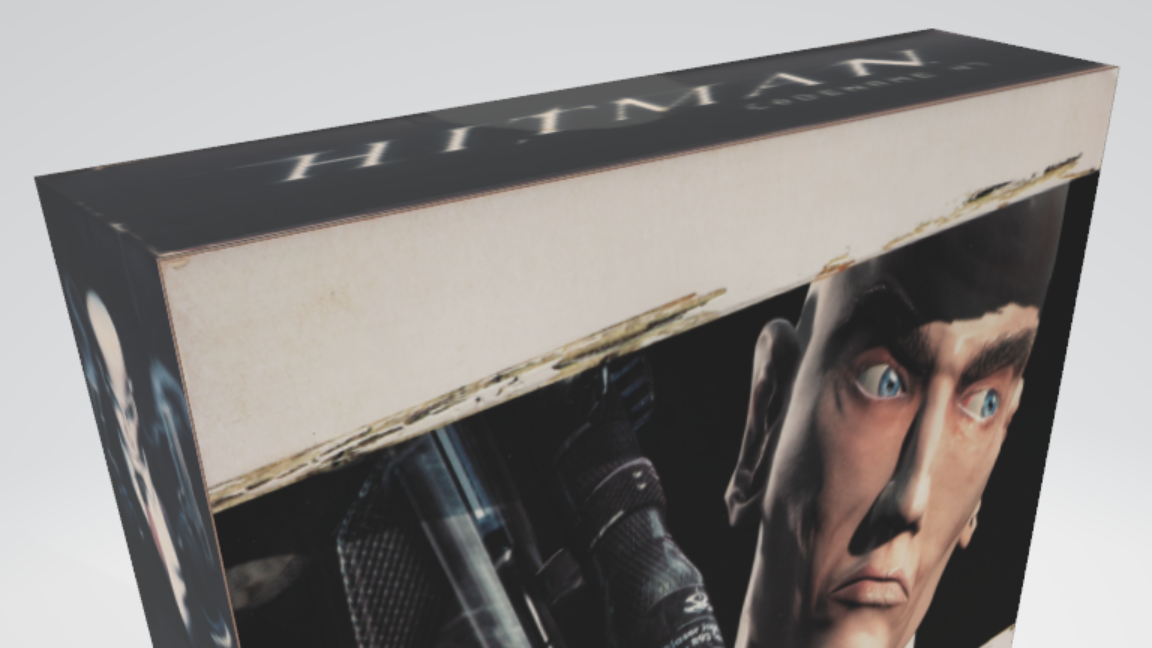
The core of this initiative lies in the provided “Goodies” packages, which move beyond standard PDF manuals to offer high-fidelity reconstruction assets. The project currently supports five distinct titles: Armikrog, Descent, Hitman: Codename 47, Myst, and Star Trek: 25th Anniversary. For each of these games, the GOG platform now includes a specialized ZIP file containing two primary types of assets.
The first asset category utilizes the GLB file format. The GLB (GL Transmission Format binary) is an industry-standard format designed for the efficient delivery of 3D models and textures. These models are interactive, featuring animations that allow the viewer to simulate the opening of the box flaps, revealing the internal detail of the classic designs. This provides a digital representation of the product that is far more detailed than a static screenshot.
The second category consists of printable templates provided in three professional formats: PDF, SVG, and Adobe Illustrator files. By offering these in high-resolution vector and document formats, GOG ensures that users can achieve high-quality results when printing the box art on cardstock or heavy paper. These files are mapped specifically for papercraft assembly, allowing hobbyists to construct physical representations of these boxes that mirror the proportions of the original, out-of-print retail packaging.
Addressing the Challenges of Media Preservation
The philosophy behind this update centers on the vulnerability of physical media. Retail boxes are susceptible to environmental damage, storage degradation, and loss during household moves. When these boxes are destroyed or discarded, the historical context of the game’s original release is diminished. GOG’s approach posits that if the physical vessel is lost, the digital platform can facilitate a synthetic revival of that vessel.
This project is a form of archival service. It treats the graphic design and industrial packaging engineering of these games as cultural artifacts worth maintaining alongside the software itself. By digitizing the layout of the cardboard shells and offering them to the public in an accessible format, the platform creates a resilient, replicable record of the product. Even if an original copy of a 1990s title becomes impossible to source, the digital blueprint allows a collector to rebuild an accurate physical replica. This effectively separates the historical design of the product from the perishability of the original cardboard stock.
Use-Cases for Collectors and Enthusiasts
The target audience for these assets includes retro-gaming enthusiasts, hobbyists interested in papercraft, and collectors who maintain “shelf-ready” setups. For those who enjoy displaying their gaming setups, these printable assets provide a solution for filling empty spaces on a shelf without the exorbitant prices often commanded by original, intact game boxes on secondary markets.
Furthermore, the integration of SVG and Adobe Illustrator files caters to users who wish to customize the packaging. Because these are provided in professional design formats, users with access to local print shops or home cutting machines can produce high-quality, professional-grade replicas. The use-case extends from simple display purposes to complex DIY projects, such as creating personalized storage solutions for current digital libraries. It allows gamers to treat their modern, digital-only collections with the same decorative importance previously reserved for rare, physical finds.
The Future of Digital Platforms and Historical Context
This initiative suggests a growing trend among digital storefronts to add “contextual value” to game purchases. As the market becomes increasingly crowded with digital-only titles, platforms that offer unique, tangible connections to the past gain a competitive edge. By incorporating printable assets, GOG is signaling that a game’s value is not just in its binary code but in its history and presentation.
While the current collection is limited to five titles, the infrastructure for this “Printable Big Box” initiative is now in place. If the reception among the user base remains positive, there is significant potential for the catalog to expand. The success of this program could set a precedent for other platforms to include more robust documentation and aesthetic assets as standard practice, ensuring that the legacy of PC gaming continues to exist in both the digital and physical domains. Through these efforts, the platform ensures that while the method of delivery has moved to the cloud, the identity of the software remains anchored to the history of the medium.
Disclaimer: This content is auto-generated for informational purposes only.
Source: Read Original News