








Supreme Court Sets Stage to Evaluate Marital Rape Exception
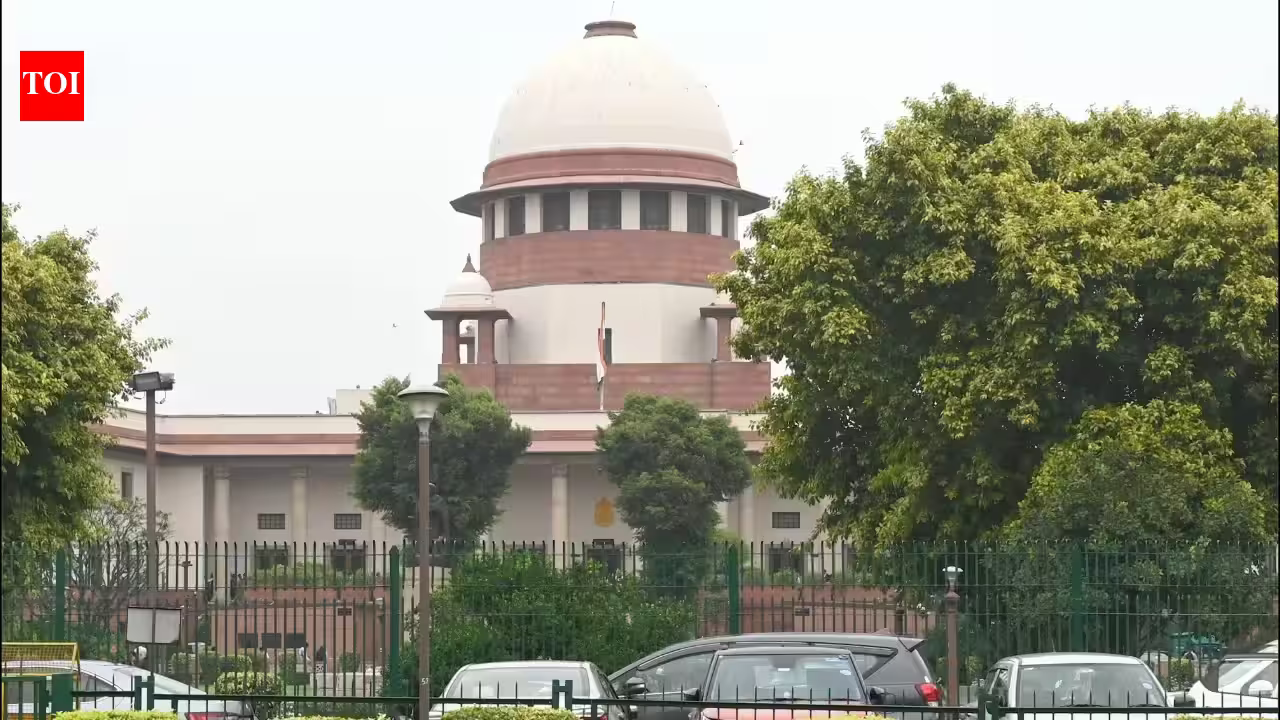
NEW DELHI: In a significant legal development with far-reaching implications for gender justice, the Supreme Court of India has formally agreed to scrutinize the constitutional validity of the marital rape exception. The bench is tasked with determining whether the law, which currently excludes non-consensual sexual intercourse between a husband and wife from the definition of rape, stands up to the standards of the Indian Constitution.
The current proceedings involve a batch of petitions challenging Exception 2 to Section 375 of the Indian Penal Code (IPC) and the corresponding provision under Section 63 of the newly enacted Bharatiya Nyaya Sanhita (BNS). Petitioners are urging the court to “read down” these provisions, effectively criminalizing non-consensual sexual acts within a marriage.
The Limits of Judicial Interpretation
During the hearing, the Supreme Court bench raised critical questions regarding the scope of its authority. The justices noted that the case presents a fundamental conflict: can the judiciary authorize the prosecution of individuals for conduct that the Parliament—the body representing the collective will of the people—has explicitly exempted from the definition of a crime?
“We would definitely protect the victims, but is it within our domain to prosecute a person where there is a direct exclusion under Section 375?” the bench asked. The court emphasized that while the issue evokes strong feelings regarding social morality, its primary duty is to act as an arbiter of constitutional consistency rather than an arbiter of societal values. The justices clarified that they would not allow themselves to be guided by external moral pressure, stating, “It’s for the people to decide. The court says it can only speak its constitutional language.”
Legal Arguments and Precedents
The proceedings touched upon a significant 2022 ruling by the Karnataka High Court, which had refused to quash rape charges against a husband, arguing that the protection afforded by the marital exception does not apply when a wife is treated as a “sexual slave.”
Senior advocate Indira Jaising, representing the appellants, highlighted the changing legal landscape, including the elevation of the age of consent to 18 years, as a reason to modernize the interpretation of marital autonomy. Meanwhile, senior advocate Karuna Nundy contended that the existing statutory exception violates the fundamental rights guaranteed by the Constitution, necessitating a judicial review to ensure that women’s bodily integrity is protected within the marital home.
The Road Ahead
The Union government, represented by Solicitor General Tushar Mehta, confirmed that its counter-affidavit has been submitted. The Supreme Court has directed that this document be circulated among all involved counsel within two days to prepare for a deeper, more detailed examination of the matter.
Crucially, the bench underscored its intent to separate the broader constitutional challenge from ongoing criminal proceedings. The court stated it would not prejudge specific cases while it works to settle the overarching legal question of whether the marital rape exception can survive in its current form. As the hearings progress, the nation awaits a verdict that could redefine the legal boundaries of consent and autonomy in Indian marriages.
Disclaimer: This content is auto-generated for informational purposes only.
Source: Read Original News