








The Macroeconomic Impact of Rising Global Crude Prices
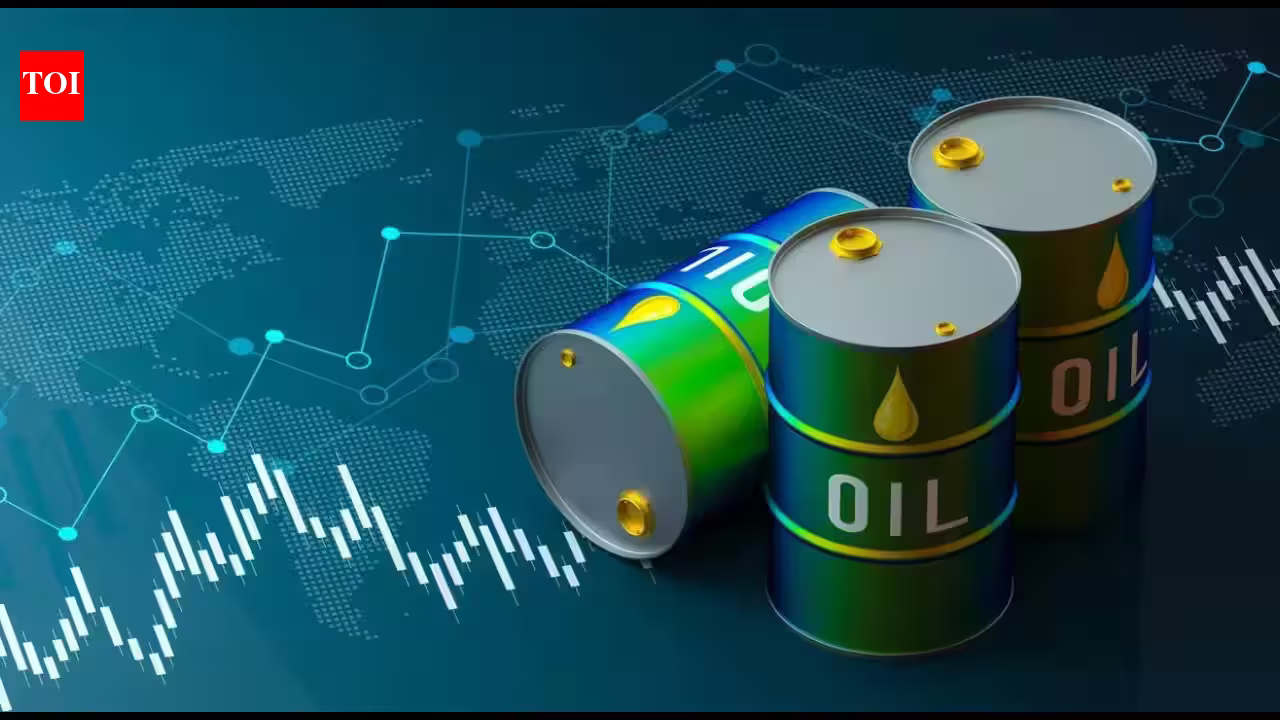
The global energy market is currently navigating a period of heightened volatility as Brent crude prices breach the $100 per barrel threshold. This resurgence in oil prices, driven primarily by geopolitical instability in West Asia and lingering supply constraints, presents a formidable challenge for net-importing nations. For India, which procures more than 88 percent of its crude oil requirements from international markets, this price trajectory serves as a primary driver of macroeconomic concern. The correlation between international benchmarks and domestic economic stability is direct; higher import costs inevitably weigh on the nation’s trade deficit and exert downward pressure on the Indian rupee.
When oil prices climb, the structural reliance on imports necessitates a larger outflow of foreign exchange. This creates a feedback loop where a weaker rupee makes subsequent oil imports more expensive, thereby exacerbating the import bill. The data from the Petroleum Planning and Analysis Cell (PPAC) underscores the severity of this shift, showing a staggering 56 percent rise in the oil import bill during the early months of the current fiscal year. As global supply chains remain fragile and the threat of supply shocks grows, the pressure on India’s fiscal position remains a point of intense scrutiny for policymakers and market observers alike.
The Burden of Under-Recoveries on State-Owned Retailers
While international crude prices have reached double-digit surges, retail prices for petrol and diesel in India have remained stagnant for over three months. This decoupling of global market rates and domestic retail prices is primarily managed through the balance sheets of state-owned oil marketing companies (OMCs). These retailers are currently absorbing the difference between the landed cost of fuel and the pump price, resulting in significant negative marketing margins.
Current market estimates suggest that state-owned fuel retailers are facing under-recoveries of approximately Rs 5 per litre for petrol and a much steeper Rs 23 per litre for diesel. Furthermore, the subsidy burden extends to domestic liquefied petroleum gas (LPG), with under-recoveries hovering around Rs 200 per cylinder. This model of price absorption serves as a temporary shield for the consumer and an anchor against immediate inflationary shocks. However, it is fundamentally unsustainable in the long term. As these retailers continue to sacrifice margins to maintain stable domestic pricing, their capacity for future capital expenditure and infrastructure investment faces a significant contraction, potentially affecting their long-term growth and debt-servicing capabilities.
Geopolitical Drivers and Supply Side Constraints
The primary catalyst for the recent spike in crude prices is the emergence of significant supply risks in West Asia. The apprehension surrounding the Strait of Hormuz, a critical maritime chokepoint for global oil transit, has intensified as regional tensions escalate. Any disruption in this corridor threatens to throttle global supply, leading to the risk premium being priced into the current market valuations of Brent and West Texas Intermediate (WTI).
Furthermore, the output policies of OPEC+ continue to play a pivotal role in market dynamics. By maintaining a disciplined approach to supply, the coalition has curtailed the availability of incremental barrels, preventing prices from correcting despite concerns regarding global economic demand. As long as OPEC+ remains committed to output targets that do not compensate for the loss of supply from volatile regions, the market is likely to remain skewed toward a tighter supply-demand balance. Market analysts suggest that this state of affairs is likely to persist until there is a tangible reduction in geopolitical hostility or a clear shift in the production strategies of major exporting nations.
Sectoral Vulnerability and Downstream Inflationary Pressures
The ripple effects of high energy costs extend far beyond the petroleum sector, impacting a broad spectrum of industries that rely heavily on energy and petrochemical derivatives. Sectors such as aviation, chemicals, manufacturing, paints, and tyres are particularly sensitive to these fluctuations. For the aviation industry, jet fuel constitutes one of the largest operating expenses; sustained high prices force carriers to either absorb losses or pass on the costs to consumers, which in turn cools off demand in the travel and logistics segments.
In the fast-moving consumer goods (FMCG) and logistics sectors, elevated transport costs are an inevitable byproduct of high diesel prices. As these costs are baked into the supply chain, they contribute to a broader rise in input prices. When firms are unable to fully pass these costs to the end-user due to competitive pressures, profit margins are compressed. Conversely, if firms do pass the costs along, it contributes to headline inflation. Consequently, the persistence of oil prices above $100 per barrel acts as a hidden tax on the economy, potentially stifling consumer demand at a time when businesses are attempting to recover from previous market downturns.
Monetary Policy Implications and RBI Strategy
The Reserve Bank of India (RBI) finds itself at a delicate juncture. With oil serving as a significant component of the consumer price index (CPI), the inflationary impact of expensive crude is a critical variable in interest rate policy. While there is a strong inclination to support growth through a accommodative stance, the central bank must weigh this against the imperative of price stability.
Financial experts suggest that the RBI is likely to maintain a watchful stance, prioritizing liquidity management while remaining cautious about the potential for “imported inflation.” If Brent crude remains entrenched above the $100 mark for an extended duration, the pressure to shift toward a tightening bias becomes unavoidable. The central bank must balance the need to support domestic consumption with the requirement to anchor inflation expectations. In this scenario, a status quo on the repo rate is a temporary measure; should energy-driven inflation prove to be persistent rather than transitory, a recalibration of interest rates will become a primary instrument to safeguard the rupee and manage the domestic cost of credit.
Navigating Long-Term Energy Security
The current crisis highlights the vulnerability of the Indian economy to external supply shocks, emphasizing the urgent need for a transition toward energy diversification. While petroleum will remain a dominant energy source for the foreseeable future, the ongoing volatility underscores the risks inherent in an import-heavy model. Increasing the proportion of domestic renewable energy production, enhancing energy efficiency, and expanding the domestic storage capacity for strategic petroleum reserves are essential steps to buffer the economy against similar shocks in the future.
Furthermore, the reliance on state-owned firms to buffer global price fluctuations highlights a structural weakness in the Indian retail fuel market. Moving toward a more dynamic, market-linked pricing mechanism remains a necessary, albeit politically difficult, structural reform. As the global energy landscape undergoes a long-term transformation, India’s economic resilience will increasingly depend on its ability to transition from a price-taker in the global oil market to a nation that prioritizes long-term energy security through a mix of domestic alternatives and robust fiscal hedging strategies. The current price spike is a clear signal that the status quo is increasingly fragile and that strategic long-term planning must accelerate to decouple domestic economic performance from the volatile swings of the global crude market.
Disclaimer: This content is auto-generated for informational purposes only.
Source: Read Original News