








The Strategic Evolution of India’s Ethanol Mandate
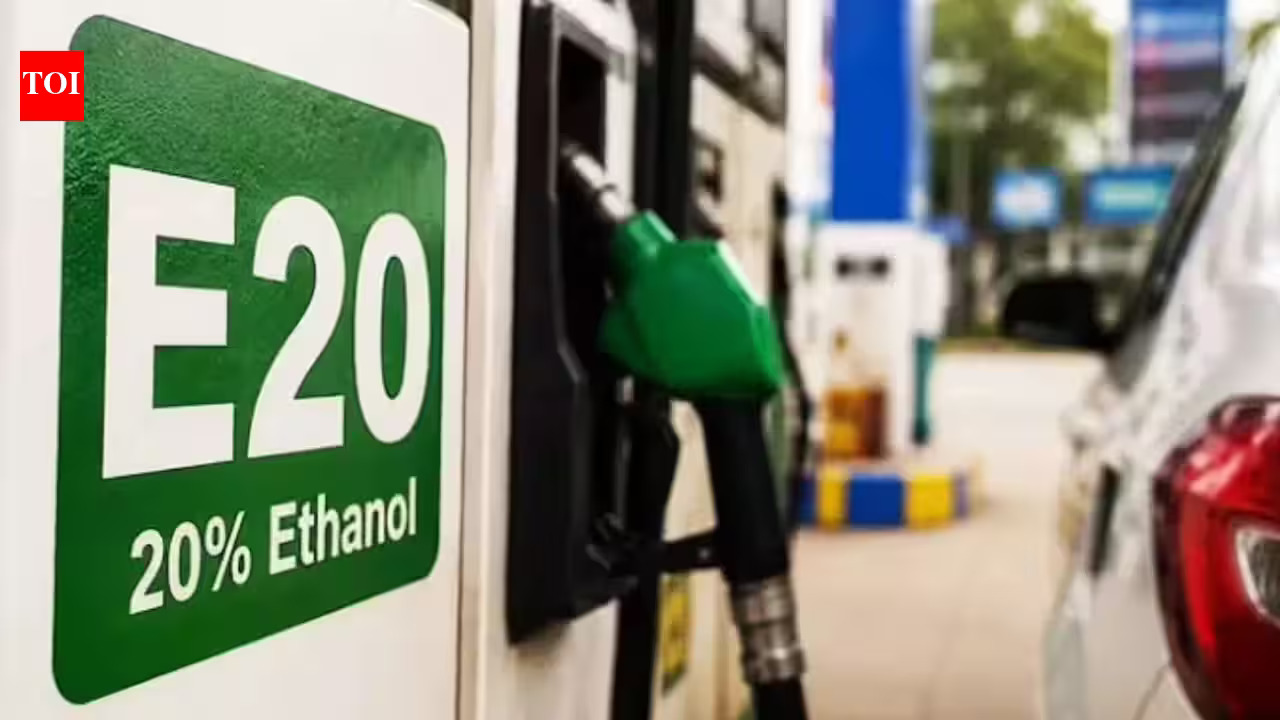
The trajectory of India’s energy policy is undergoing a fundamental transformation, shifting from a dependency on imported crude oil toward a self-reliant bio-economy. Recent declarations from the office of the Prime Minister’s advisor indicate that the national ethanol blending program is poised to transcend the long-standing E20 target. This evolution is driven by the country’s surplus production capacity, which has finally outpaced the domestic requirements for the current 20 percent blending mandate.
As India prepares to normalize higher blending levels, the focus is shifting toward the infrastructure and automotive engineering necessary to support flex-fuel vehicles. This transition is not merely an environmental endeavor but a strategic necessity. By diversifying the fuel mix, India aims to mitigate the risks associated with volatile global crude oil prices, particularly in light of ongoing geopolitical tensions in West Asia. The goal is to maximize the utilization of domestic agricultural resources, effectively turning the sugar and grain sectors into the backbone of the nation’s energy security.
Infrastructure Demands and the Flex-Fuel Frontier
The transition beyond E20 blending necessitates a significant upgrade to India’s automotive and retail fuel ecosystems. Flex-fuel vehicles (FFVs) are engineered to operate on any mixture of petrol and ethanol, typically ranging from 20 percent to 85 percent or even pure ethanol. While the government has successfully incentivized the adoption of E20-compliant engines, the introduction of widespread flex-fuel capability requires deeper collaboration between the automotive industry and the energy sector.
For automakers, the challenge lies in re-engineering fuel systems to withstand the corrosive nature of high-ethanol blends while ensuring that fuel economy remains competitive. From a retail perspective, the government’s mandate will require fuel stations to install dispensing infrastructure capable of handling high-ethanol fuels. Beyond just ensuring availability, this involves upgrading storage tanks and pipelines to manage the solvent properties of ethanol. The roadmap forward entails a phased rollout where the market gradually acclimates to higher concentrations, ensuring that the supply chain matures in tandem with consumer readiness.
Addressing Misconceptions and Economic Viability
Critics of the ethanol blending program have often pointed toward a minor reduction in fuel efficiency as a primary drawback of higher blends. However, government officials and energy experts argue that such narratives often overlook the broader economic and technical context. Ethanol possesses a higher octane rating, which improves engine performance and combustion characteristics. When adjusted for the market price of ethanol, the total cost-to-mileage ratio remains favorable for the consumer.
The defense of the E20 program suggests that the government is moving to stabilize industry confidence. By dismissing concerns regarding the technical performance of blended fuels as largely driven by misinformation, the administration is signaling a long-term commitment to the policy. This clarity is essential for private sector players who are currently investing heavily in distillery capacity and supply chain logistics. By maintaining a firm stance on the viability of bio-blended fuel, the government effectively de-risks the sector for investors, ensuring that capital flows continue toward expanding biofuel production capacity.
Diversifying the Bio-Energy Portfolio
While ethanol remains the primary focus of the government’s biofuel push, the strategic horizon is widening to include diesel-based biofuels and waste-to-energy initiatives. The government is actively exploring the use of isobutanol and other bio-additives to reduce the carbon intensity of diesel, which accounts for a substantial share of India’s total refinery output. If successful, these trials could unlock a massive new market for biofuels, significantly reducing the volume of imported diesel components required to meet industrial and transportation demand.
Furthermore, the integration of ethanol production with the GOBARdhan scheme represents a push toward circularity. Ethanol producers are being encouraged to diversify into compressed biogas (CBG) and value-added agricultural products, such as bio-potash. This multi-stream approach allows manufacturers to optimize their feedstock usage. By extracting value from by-products that would otherwise be considered waste, the industry can improve its profit margins while simultaneously addressing rural waste management and soil health issues.
Market Insights and the Future of India’s Energy Mix
The domestic ethanol sector has reached a tipping point. With production capacity currently exceeding the requirements for the E20 program, the government is tasked with ensuring that the sector remains profitable without saturating the supply market. This surplus creates an opportunity for India to pivot toward higher blending percentages without fearing a shortage. However, the market must be managed carefully to ensure that food security is not compromised. The diversification into multiple feedstocks—including surplus grains and agricultural residues—is therefore a critical component of the next phase of the program.
The long-term success of this policy depends on the government’s ability to maintain a consistent regulatory environment. As the country moves toward a potential E30 or higher blending scenario, price stability for both farmers and fuel retailers will be paramount. By creating a robust market for diverse biofuels, India is effectively insulating itself from the fluctuations of the global energy market. The commitment to protect existing investments serves as a foundation for a broader bio-industrial revolution.
As India moves forward, the synergy between the agricultural sector and the automotive industry will become the defining feature of its energy landscape. By transitioning from a raw material provider to a sophisticated biofuel producer, India is demonstrating how a developing economy can leverage its natural resources to address modern energy challenges. The shift beyond E20 is not just a policy target; it is a manifestation of a comprehensive strategy to harmonize economic growth with environmental responsibility and energy independence. The coming years will likely witness a rapid scaling of bio-energy infrastructure, solidifying India’s status as a leader in the global transition toward cleaner, domestically sourced liquid fuels.
Disclaimer: This content is auto-generated for informational purposes only.
Source: Read Original News