








The Multi-Platform Strategy for Persona 6
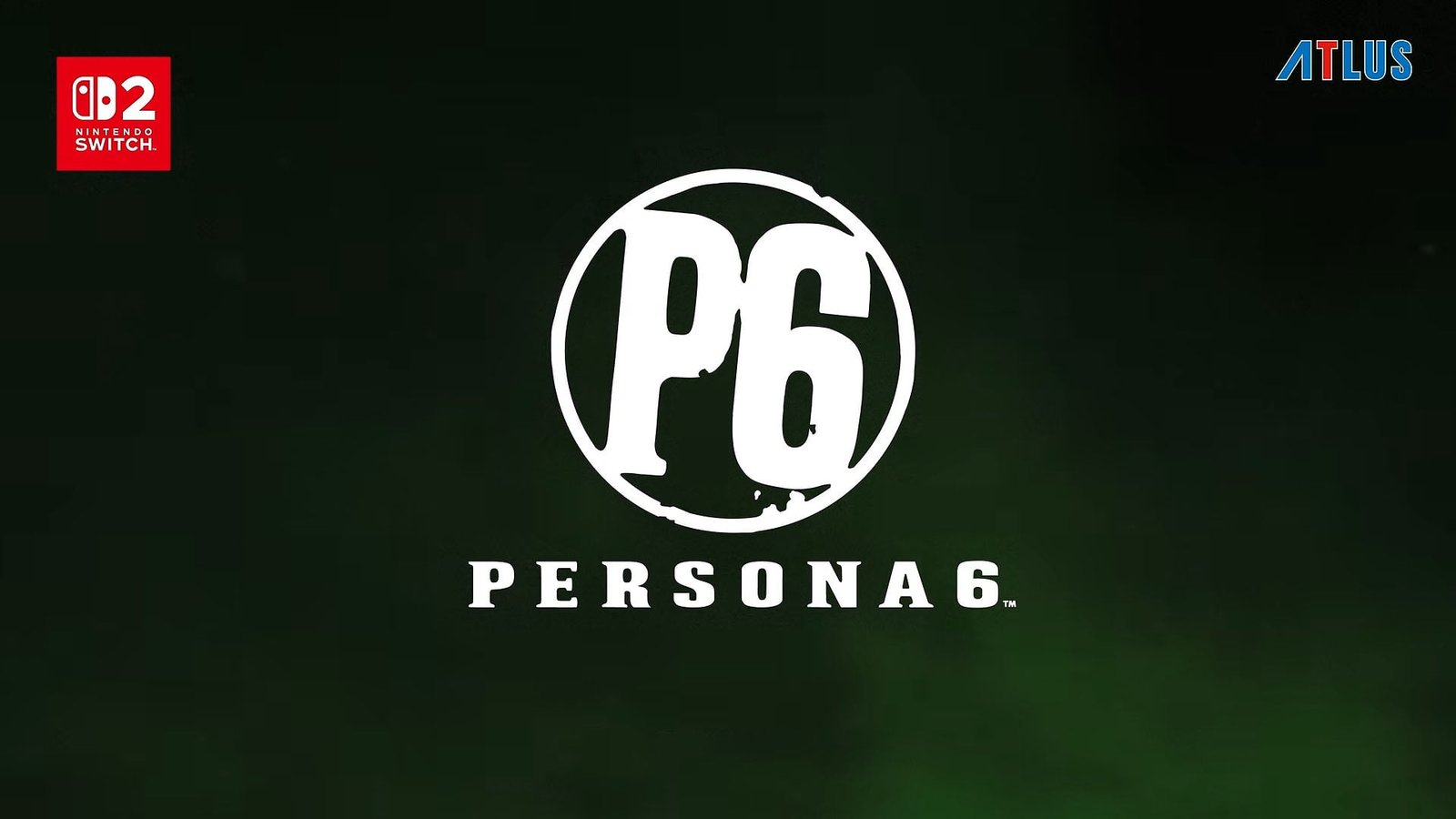
ATLUS has officially confirmed that its highly anticipated role-playing game, Persona 6, will launch on the Nintendo Switch 2, expanding its initial release footprint. This announcement follows the developer’s earlier confirmation that the title would arrive on PlayStation 5, Xbox Series X/S, and PC via Steam and the Microsoft Store. By incorporating the upcoming Nintendo hardware into its distribution strategy, ATLUS demonstrates a commitment to broad hardware accessibility, ensuring that the next chapter of its flagship franchise reaches the widest possible audience across modern gaming ecosystems.
While a specific release date remains undisclosed, the confirmation of a cross-platform strategy suggests a simultaneous global rollout. This approach minimizes the technical friction typically associated with staggered releases, allowing for a unified launch campaign. The inclusion of the Switch 2 in the developer’s roadmap indicates that the proprietary engine utilized for Persona 6 is likely designed with a scalable architecture, capable of maintaining visual and performance fidelity across varied hardware configurations, from high-performance consoles to portable-hybrid systems.
Technical Evolution and Architectural Scalability
The jump to a diverse range of hardware signifies a shift in how ATLUS approaches internal development. Historically, the studio focused on platform-specific optimization, but the development of Persona 6 appears to leverage modular design principles. By targeting both current-generation fixed consoles and the successor to the Nintendo Switch, the development team is likely utilizing modern graphics APIs that facilitate better cross-platform compatibility.
For players, this means that Persona 6 will need to balance complex visual fidelity—such as high-resolution textures, sophisticated lighting effects, and dense environmental assets—with the specific performance constraints of mobile-focused hardware. The decision to bring this title to the Switch 2 implies confidence in the hardware’s capability to handle the series’ signature aesthetic, which often balances stylized, cel-shaded character models with intricate, surrealist dungeon environments. This technical versatility ensures that the core artistic identity of the Persona series remains intact, regardless of the screen on which it is played.
Gameplay Mechanics and Narrative Foundation
At its core, Persona 6 continues the established series tradition of combining social simulation with turn-based tactical combat. The gameplay loop is centered on the “Double Life” mechanic, where players manage the daily responsibilities of a student living in modern-day Japan. This includes cultivating relationships, attending classes, and engaging in local activities to enhance character statistics. These social interactions are not merely narrative filler; they function as a primary engine for character progression, directly impacting the efficacy of the “Persona”—a physical manifestation of a character’s psyche.
The combat system builds upon the tactical foundation of the Shin Megami Tensei lineage. Players engage in turn-based encounters that require identifying enemy weaknesses and managing a roster of customizable Personas. The “Bond” system, a staple of the franchise, dictates the player’s ability to fuse and summon stronger entities. By focusing on deep, meaningful connections with party members, the game reinforces the theme that interpersonal relationships act as a tangible weapon against the supernatural threats lurking beneath the urban landscape. This integration of social dynamics and combat strategy ensures that players must remain engaged in both aspects of the protagonist’s life to succeed.
The Persona Legacy and Modern Entry Points
Since its inception in 1996 with Revelations: Persona, the franchise has evolved from a spin-off of the Shin Megami Tensei series into a standalone cultural phenomenon. With over 30 million units sold worldwide, the series has carved out a unique space in the RPG genre, defined by its blend of Jungian psychology, occult mystery, and vibrant, stylized presentation. Persona 6 is explicitly designed to serve as a bridge between the long-standing community and new players.
Because each numbered entry in the series acts as a self-contained narrative, newcomers are not required to have previous knowledge of the lore to grasp the central conflict of the sixth installment. The game introduces a fresh cast of characters and an original storyline, removing the barrier to entry that often discourages interest in long-running franchises. This design philosophy focuses on accessibility without compromising the narrative depth or the thematic complexity that has come to define the studio’s work over the last three decades.
Impact on the RPG Market
The announcement of a multi-platform release for Persona 6 carries significant implications for the role-playing game market. As the industry trends toward cross-platform availability, developers are increasingly moving away from hardware exclusivity to maximize potential market reach. For ATLUS, placing Persona 6 on the Switch 2, alongside its other confirmed platforms, indicates a strategic pivot toward ubiquity.
This approach acknowledges the growing segment of players who prefer the flexibility of portable gaming without sacrificing the complexity of a full-scale console RPG. By ensuring the title is available on every major gaming device, ATLUS is positioning Persona 6 as a central title in the contemporary gaming landscape. As the release window approaches, the focus will likely shift toward how each version performs in terms of frame rate and resolution. However, the initial commitment to broad distribution proves that the studio is prioritizing player experience over hardware gatekeeping, a move that is likely to solidify the series’ status as one of the most prominent RPG properties in global entertainment.
Disclaimer: This content is auto-generated for informational purposes only.
Source: Read Original News