









The Dawn of the Ternus Era
The technology industry is witnessing a significant leadership transition as John Ternus prepares for his first major product unveiling as the Chief Executive Officer of Apple. Replacing the long-tenured Tim Cook, Ternus is positioning his debut not merely as a change in management, but as a technological pivot point. Recent communications from the executive, specifically a video teaser released via official channels, suggest that the upcoming iPhone 18 Pro will serve as the flagship for this new chapter, with a primary focus on radical advancements in computational photography and hardware-level sensor integration.
For years, Apple has maintained a steady trajectory of iterative camera improvements. However, the signals emanating from the Cupertino headquarters indicate a shift toward architectural breakthroughs. By centering his initial product launch around the camera system, Ternus is reinforcing the company’s identity as a hardware-first entity, bridging the gap between professional-grade cinema production tools and the handheld smartphone experience.
Redefining Computational Photography
The teased feature appears to be a proprietary advancement in image signal processing (ISP) that leverages an entirely new architecture within the A-series silicon. Historically, computational photography has relied on post-processing algorithms to correct lighting, sharpen textures, and manage noise. The new technology, rumored to be titled “Photonic Neural Mapping,” aims to shift this heavy lifting closer to the sensor itself.
By integrating a dedicated neural fabric directly onto the camera sensor stack, the iPhone 18 Pro is expected to achieve near-zero latency in complex multi-exposure processing. Unlike previous iterations that required several milliseconds to fuse high-dynamic-range frames, this new hardware layer performs the computation in a single clock cycle. This results in a preview window that looks identical to the final captured file, removing the discrepancy users often experience between what they see in the viewfinder and the final processed result.
Enhanced Optical and Sensor Capabilities
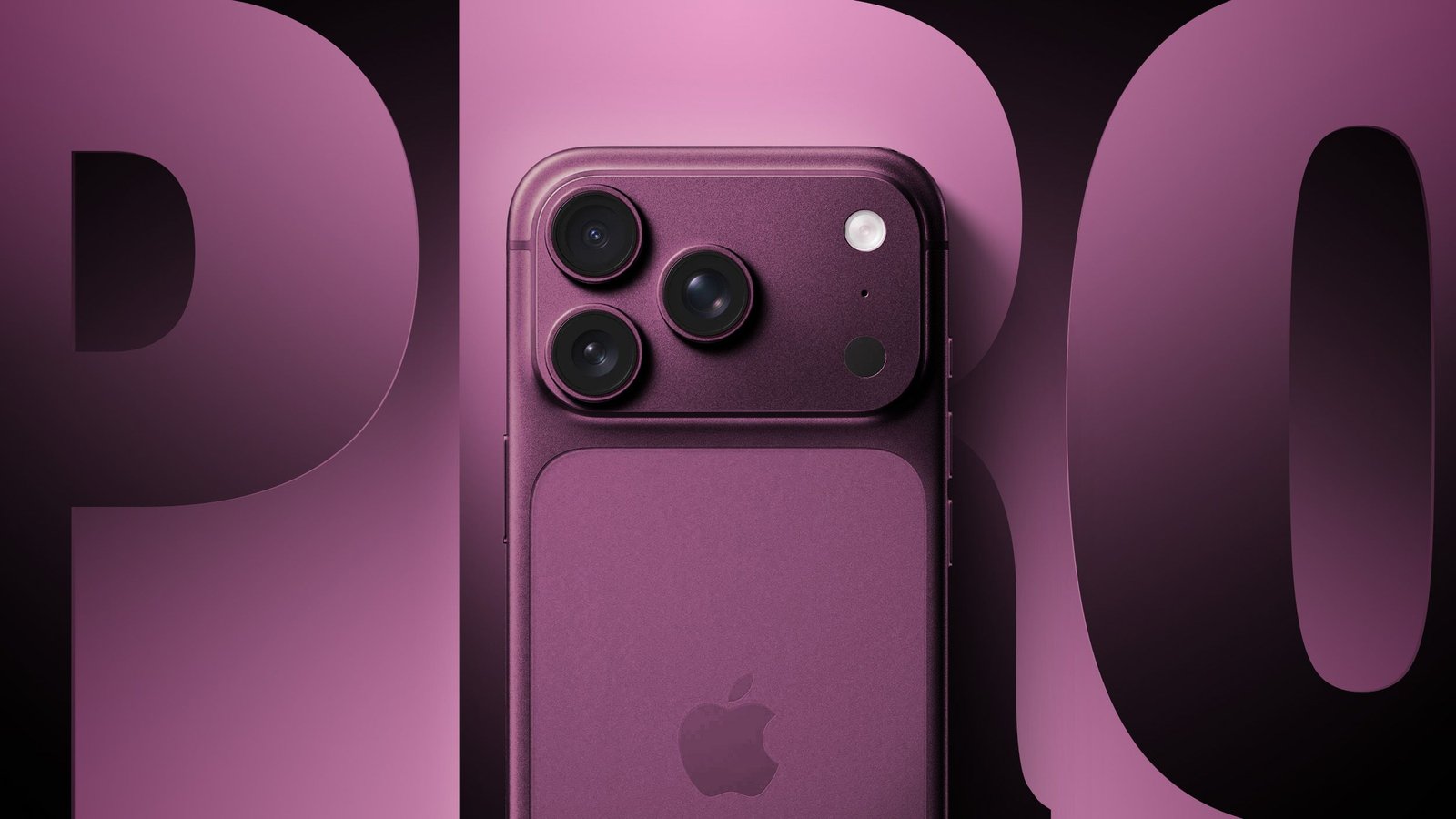
At the core of the hardware update is a move toward a larger, multi-stage aperture system. While smartphones have historically relied on fixed or dual-stage apertures, the iPhone 18 Pro is testing a liquid lens mechanism that allows for continuous focal length adjustments without the need for traditional mechanical movement. This system reduces the bulk of the camera bump while significantly increasing the light-gathering surface area.
The sensor itself features a redesigned pixel architecture that utilizes a double-gate structure. By separating the charge conversion and the readout circuits, the sensor can handle a significantly higher dynamic range without clipping highlights or losing detail in deep shadows. This hardware improvement is designed to assist professionals who require raw file integrity for post-production grading, signaling that Apple is looking to cement the iPhone 18 Pro as the primary choice for mobile videographers and still photographers alike.
The Integration of Artificial Intelligence
While the industry has seen an influx of AI-assisted editing tools, the approach hinted at by the leadership transition focuses on intent-based capture rather than post-capture modification. The new feature set leverages advanced object recognition to predict movement and focus shifts before the user triggers the shutter.
By analyzing telemetry from the internal gyroscopes and the LiDAR array in real-time, the device creates a volumetric map of the environment. If the camera detects a fast-moving subject, the AI-driven system automatically recalibrates the shutter speed and ISO parameters for that specific focal plane, leaving the background intentionally blurred or stabilized according to the user’s previously defined settings. This allows for a level of precision that was once reserved for full-frame mirrorless cameras, essentially automating the technical hurdles that often prevent casual users from achieving professional results.
Use-Cases for Professional Content Creators
The practical application of these upgrades is broad, particularly for those working in media production. With the rise of short-form video content and mobile-first journalism, the ability to record high-fidelity footage under suboptimal lighting conditions is a necessity. The iPhone 18 Pro’s ability to maintain color accuracy and detail in low-light environments represents a significant leap forward for creators who previously required external lighting rigs to supplement their mobile setups.
Furthermore, the new sensor system introduces a hardware-based depth-of-field control that avoids the artifacts common in software-generated portrait modes. Because the liquid lens adjusts the physical optics rather than relying on masking algorithms, the transition between in-focus and out-of-focus areas appears natural and indistinguishable from professional lenses. This is a critical development for filmmakers using the device as a secondary camera in controlled production environments.
Impact on the Future of Mobile Hardware
John Ternus’s focus on the camera system serves as a broader statement about the future of mobile computing. By prioritizing physical hardware innovation over software-only patches, Apple is setting a standard that requires other manufacturers to rethink their internal component pipelines. This strategy effectively pressures the supply chain to innovate at the sub-micron level, fostering a new generation of high-performance sensors and processors.
As the launch date nears, the industry will be watching closely to see if this shift toward hardware-led innovation can sustain Apple’s market dominance in an era of slowing smartphone growth. The decision to highlight the camera is a deliberate move to tap into the creative community, ensuring that the hardware remains an indispensable tool rather than a mere utility. If the promised performance improvements hold true, the iPhone 18 Pro may become a benchmark for the next decade of digital imaging, marking a successful start to the new leadership’s vision.
Disclaimer: This content is auto-generated for informational purposes only.
Source: Read Original News