







The Role of AI in Pre-Launch Information Leaks
As the technology industry approaches the highly anticipated Apple “Surprise and shine” event, the integrity of pre-launch data has come under intense scrutiny. Recently, a series of screenshots purportedly captured from Verizon’s internal AI assistant, “Ask Verizon,” sparked significant discourse regarding the specifications of the upcoming iPhone 18 Pro and iPhone 18 Pro Max. While these interactions appear to provide detailed technical insights into the devices, they also highlight the growing tension between the deployment of automated customer service tools and the protection of confidential product roadmaps.
The incident underscores a technical vulnerability inherent in generative AI systems. When these models are integrated into corporate infrastructures, they may be trained on a mixture of current documentation, legacy product data, and speculative web content. If the model is not properly sandboxed or if its training data includes outdated press releases, the AI may inadvertently synthesize incorrect information into what appears to be a definitive, real-time product specification. This “hallucination” effect serves as a reminder that information sourced from automated chatbots should be evaluated with a high degree of technical skepticism until officially verified by the hardware manufacturer.
Analyzing the Proposed Camera Hardware Advancements
Among the most technically interesting claims attributed to the Verizon assistant is the inclusion of a variable aperture main camera lens. The assertion that the iPhone 18 Pro series might support a range between f/1.4 and f/4.0 represents a significant shift in mobile photography engineering. A variable aperture allows the device to physically modify the diameter of the lens opening, offering greater control over depth of field and light intake.
In low-light conditions, an f/1.4 aperture would theoretically allow for significantly more light capture, reducing noise in imagery. Conversely, switching to f/4.0 would provide a deeper depth of field, which is particularly beneficial for group photography where maintaining focus across multiple subjects at varying distances is often a challenge. The reported inclusion of “advanced” Sensor-shift Optical Image Stabilization (OIS) on the Pro Max variant further supports the industry’s trend toward prioritizing professional-grade video stabilization. By combining hardware-level stabilization with a larger main sensor, Apple appears to be targeting higher dynamic range and superior detail in challenging lighting environments.
Memory Allocation and Performance Expectations
The leaked data also addressed the internal hardware architecture, specifically noting a disparity in Random Access Memory (RAM). The claim suggests that the iPhone 18 Pro Max will feature 16GB of RAM, while the standard iPhone 18 Pro will be equipped with 12GB. This decision, if accurate, would represent a major departure from the unified memory standards often seen in previous generations.
From a technical perspective, increased memory allocation is essential for the next tier of on-device processing. As mobile operating systems demand more overhead for background tasks and complex machine learning operations, such as high-resolution ProRAW processing and ProRes video recording, the shift to 16GB would provide the necessary headroom for sustained performance. Both devices are rumored to be powered by the A20 Pro chip, a silicon architecture likely designed to handle the thermal and computational demands of these advanced camera features and high-frame-rate gaming applications.
Display and Ergonomic Variations
The dialogue with the AI assistant also touched upon the physical form factors of the new lineup, identifying a 6.3-inch Super Retina XDR display for the Pro and a 6.9-inch display for the Pro Max. These screen sizes align with recent industry projections regarding bezel reduction and aspect ratio updates. While the larger Pro Max model inherently benefits from a higher internal volume—translating to a larger battery capacity and increased operational longevity—the display technology itself remains a focal point for efficiency.
The integration of ProRAW and ProRes capabilities across both models confirms that Apple intends to keep the Pro designation strictly focused on creative professional workflows. By maintaining a high-resolution 48MP ultra-wide sensor, the devices suggest a focus on high-fidelity macro photography and ultra-wide-angle capture, bridging the gap between mobile snapshots and dedicated professional imaging equipment.
Evaluating the Credibility of Automated Leaks
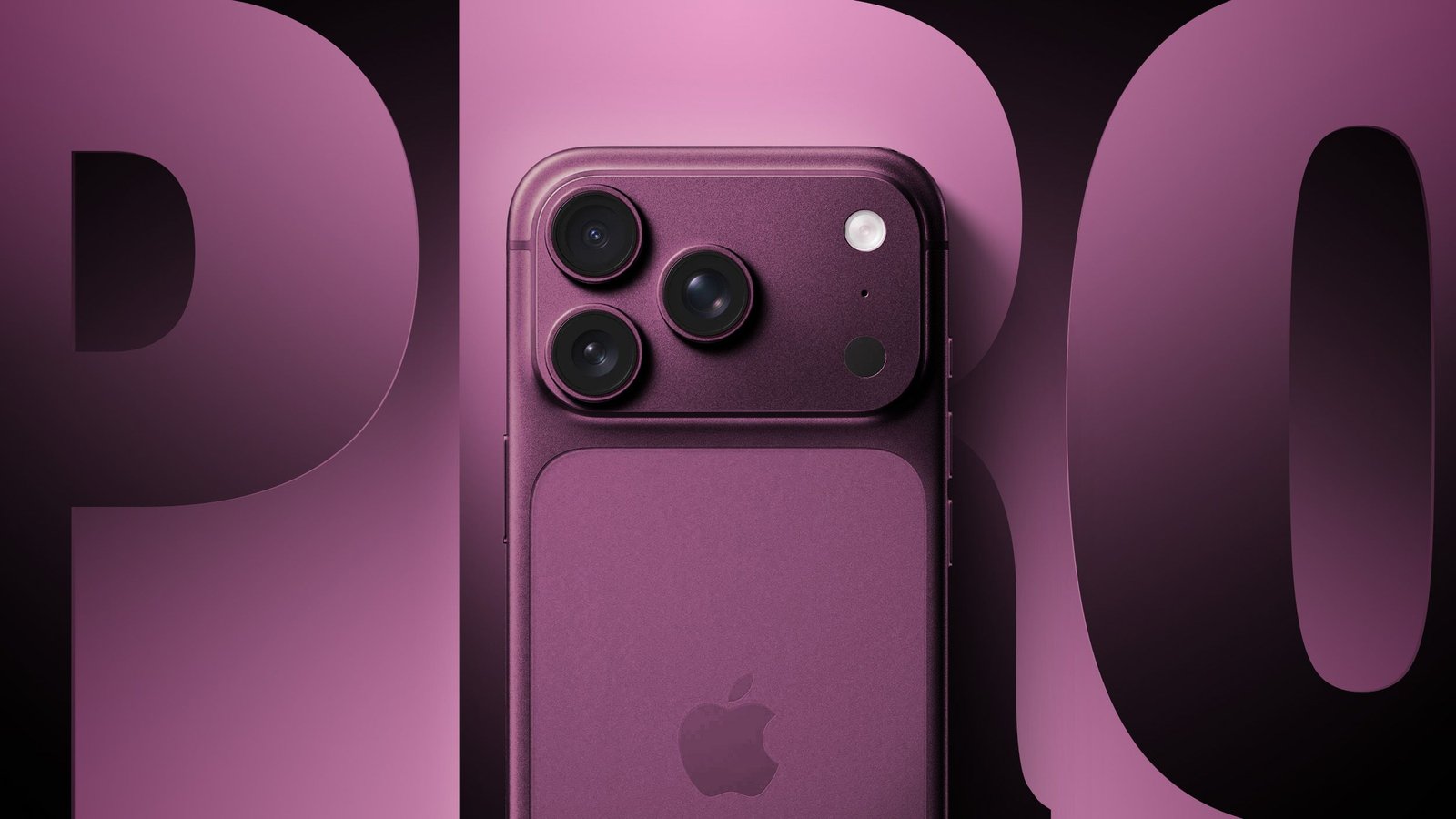
Despite the specificity of these claims, several inconsistencies suggest that the information provided by the AI was not a genuine leak of internal documents. For instance, the assistant cited pricing structures that mirror the current iPhone 17 Pro models, contradicting broader market sentiment which suggests a necessary price increase due to the cost of the proposed hardware upgrades. Furthermore, the color scheme mentioned—Titanium Gray, Titanium White, and Titanium Black—shares striking similarities with the nomenclature used in previous iPhone 15 Pro releases, rather than the expected “Dark Cherry” and “Sky Blue” finishes currently predicted by supply chain analysts.
These discrepancies suggest that the assistant may have been accessing cached or dated information rather than a secure, up-to-date internal database. Because these AI models are designed to generate coherent, helpful answers to user inquiries, they may prioritize responding to a question over acknowledging a lack of valid, current data. Consequently, this incident serves as a cautionary case study on the reliability of AI assistants in professional contexts, demonstrating that while these tools are becoming more proficient at navigating data, their output remains constrained by the quality and freshness of the underlying dataset.
Disclaimer: This content is auto-generated for informational purposes only.
Source: Read Original News