







The Evolution of the iPhone 18 Pro Lineup
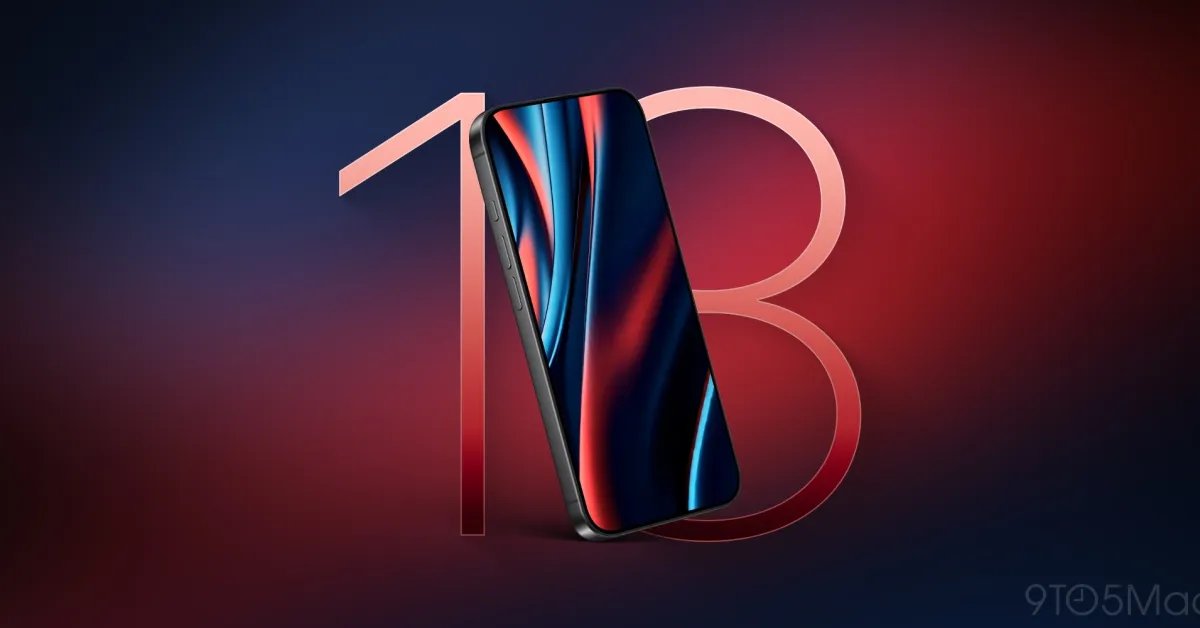
As Apple prepares for its annual September hardware event, the technology industry has turned its focus toward the introduction of the iPhone 18 Pro and iPhone 18 Pro Max. These flagship devices represent the latest iteration of Apple’s premium smartphone series, prioritizing internal architectural improvements over radical external design shifts. According to industry reports, the company is maintaining a familiar form factor while focusing on material durability and refined aesthetics.
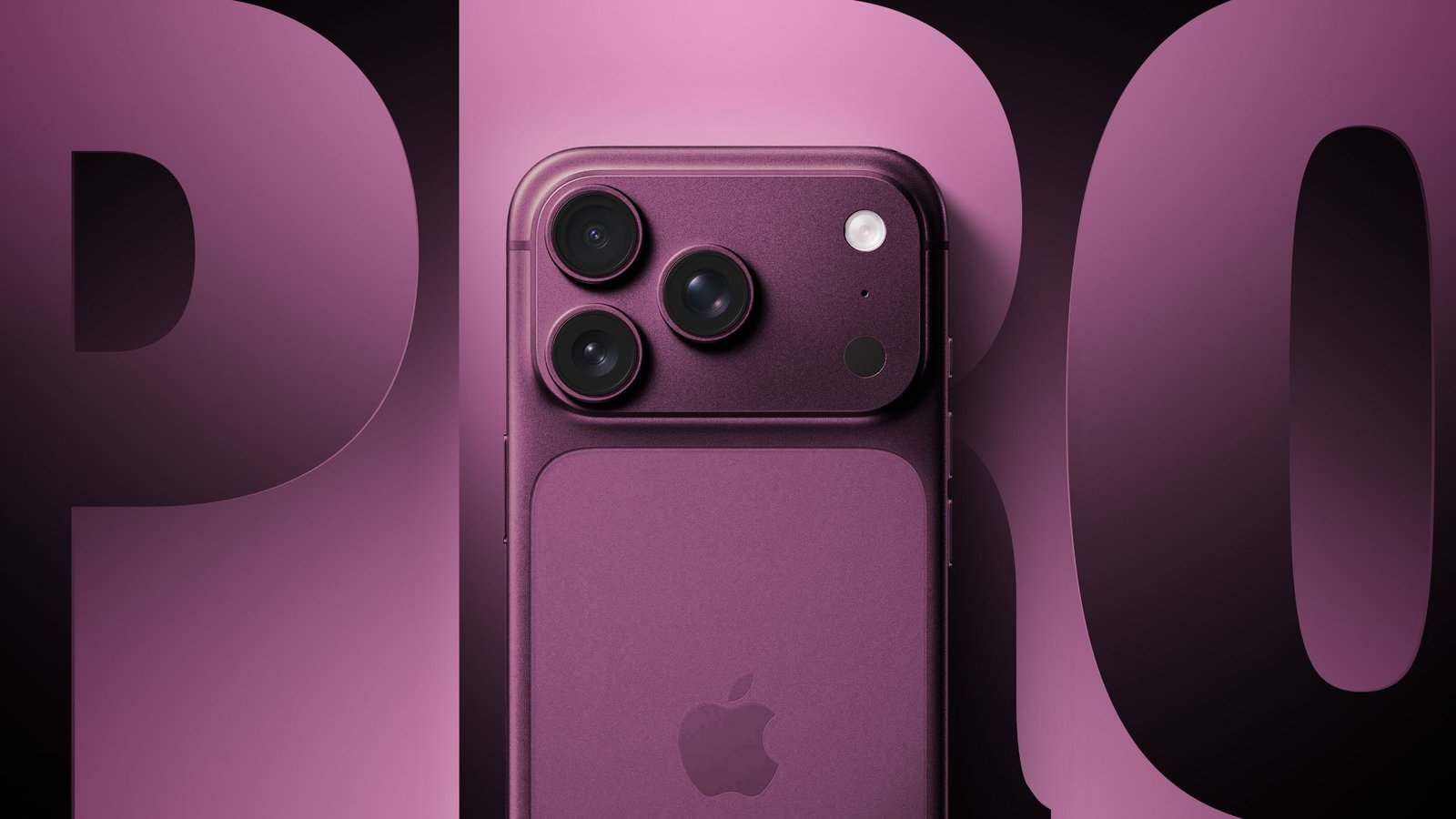
The visual identity of the iPhone 18 Pro series centers on a refined set of four distinct finishes: Black, Silver, Light Blue, and a rich Burgundy, which is also identified in manufacturing circles as Dark Cherry. By sticking to a structured color palette, Apple aims to maintain a professional, high-end appearance for its flagship devices. While the external aesthetics reflect continuity, the internal advancements are expected to address performance requirements for increasingly demanding mobile tasks, including advanced computational photography and machine learning processes.
Introducing the iPhone Duo: A New Hardware Paradigm
The most significant development at the September event is the official unveiling of the iPhone Duo. As Apple’s first entry into the foldable smartphone category, the device marks a major milestone in the company’s product diversification strategy. The iPhone Duo is engineered to challenge the established norms of foldable hardware, bringing Apple’s software integration and display technology to a new mechanical format.
Regarding aesthetics, the iPhone Duo will be available in a refined range of colors, including Graphite, Titanium, and a deep Dark Blue—often referred to as Indigo. These choices suggest that Apple is positioning the Duo not merely as a experimental novelty but as a premium, durable device consistent with its Pro-tier branding. Market analysts suggest the starting price point, rumored to be approximately 2,000 dollars, reinforces the device’s status as a top-tier luxury tool designed for power users who require expansive screen real estate within a portable chassis.
Technical Specifications and Internal Upgrades
Beneath the glass and metal exterior, the iPhone 18 Pro series incorporates a new generation of processing silicon. These chips are designed to handle the growing thermal demands of real-time image processing and augmented reality applications. The transition to more efficient architecture is intended to manage power consumption, ensuring that even with increased internal clock speeds, users experience reliable battery life across their daily routines.
Beyond the silicon, the integration of advanced camera sensors continues to be a primary area of focus. While the physical housing of the camera module remains similar to previous generations, the underlying optical hardware has been calibrated for improved light capture and color accuracy. These technical adjustments are critical for users involved in high-fidelity mobile content creation, providing a more robust platform for RAW photo processing and high-bitrate video recording.
The Economic Impact of Hardware Shifts
The release of the iPhone 18 Pro and the iPhone Duo arrives amid significant market volatility regarding component costs and supply chain constraints. Research firms such as TrendForce have indicated that the starting prices for these models reflect the current fiscal reality of high-performance mobile manufacturing. With the iPhone 18 Pro expected to debut at a higher entry price than its predecessor, the market is closely watching how consumer demand balances against premium pricing strategies.
This shift in pricing is indicative of a broader industry trend where hardware components—specifically folding display panels and high-density logic boards—demand greater investment in research and development. The introduction of the iPhone Duo as a 2,000-dollar device creates a new ceiling for Apple’s product line, effectively segmenting the market between standard flagship users and early adopters seeking the latest in foldable display innovation.
Strategic Positioning and Market Reception
Apple’s strategy for the 2026 event reveals a commitment to internal iteration. Rather than implementing sweeping changes that disrupt the user experience, the company is focusing on cumulative improvements that provide long-term stability. For existing users of the iPhone 17 series, the decision to upgrade may hinge on the necessity of the new processor performance or the unique hardware advantages of the folding iPhone Duo.
By expanding the product lineup to include a foldable device, Apple is finally responding to the shift in consumer demand for versatile screen sizes. The success of the iPhone Duo will serve as a key metric for the company as it decides how to allocate resources in future production cycles. As the market matures, the ability to balance the refinement of the Pro series with the innovation of the Duo will be vital for Apple to maintain its leadership in the global smartphone sector. For current stakeholders and enthusiasts, the September event serves as a clear indicator of where the company believes the mobile experience is headed: toward higher performance benchmarks and more diverse hardware form factors.
Disclaimer: This content is auto-generated for informational purposes only.
Source: Read Original News