








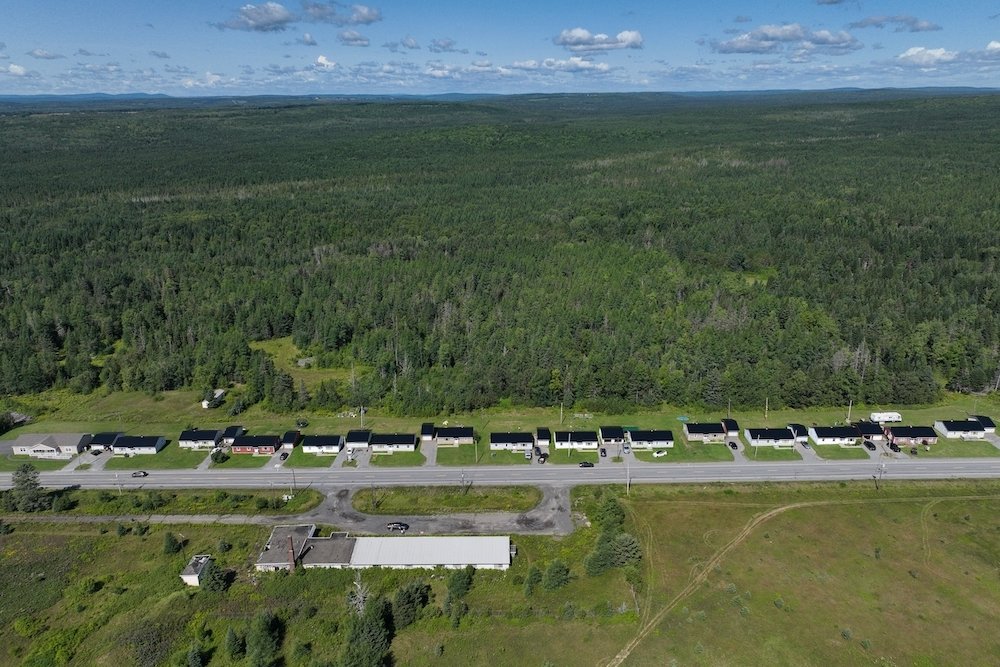
The Mi’kmaq Nation has secured a significant expansion of its land holdings in Northern Maine, acquiring 83 acres of forest and wetlands through a strategic partnership with the Trust for Public Land. Known as Pugweliget, the new parcel is situated in Connor, Maine, directly adjacent to an existing four-acre plot already held by the tribe. This acquisition, while modest in size compared to other recent efforts, represents a major milestone in the tribe’s ongoing mission to restore ancestral territory and provide its citizens with protected space for traditional practices.
Expanding Cultural Access and Infrastructure
The acquisition serves a dual purpose: immediate community utility and long-term cultural preservation. For the 48 residents currently living on the abutting tribal housing site, the land offers expanded access to essential infrastructure, including planned upgrades to septic systems and access driveways. Beyond utility, the land provides a sanctuary for over 1,600 Mi’kmaq citizens to engage in hunting, fishing, foraging, and ceremonial activities.
Shannon Hill, the Mi’kmaq Nation’s environmental health director, emphasized that the true value of the land lies in the autonomy it provides. By returning this acreage to tribal oversight, the Nation has effectively removed the threat of trespassing charges for members wishing to engage with their ancestral landscape. This project highlights a shift toward land-based healing, where proximity to nature is treated as a foundational element of public health and cultural identity.
Tech and Data in Modern Conservation
In an era where conservation is increasingly data-driven, the Trust for Public Land and other national organizations are leveraging modern mapping tools and GIS technologies to identify parcels that are most critical for ecological and cultural restoration. While the acquisition of Pugweliget was facilitated through traditional interpersonal networks—starting with an unsolicited offer from the previous landowner—the rapid response required to secure the property relied on modern digital financial platforms and real-time coordination tools.
As conservation groups look to reach the ambitious goals of the Tributary Land Returns initiative, technology plays an ever-growing role in streamlining property transfers. Geospatial mapping and AI-enhanced land-use analysis are now standard in identifying tracts of land that bridge the gap between tribal community centers and undeveloped forest. By utilizing these tools, conservationists can ensure that land returns are not just symbolic, but are strategically located to support the logistical and environmental health of Indigenous communities.
Strengthening the Tributary Land Returns Initiative
The addition of the Pugweliget parcel marks the seventh successful project under the Tributary Land Returns initiative. This broader effort brings together all five federally recognized Wabanaki tribes and seven non-Native conservation partners. Their collective goal is the restoration of 50,000 acres of ancestral land through 11 distinct projects.
The initiative represents a model for modern collaboration, blending private philanthropic funding with tribal leadership to achieve land back goals. Betsy Cook, the Maine state director for the Trust for Public Land, noted that “close to home” outdoor access is a critical component of wellbeing. By ensuring that Indigenous communities have immediate access to nature—a necessity that many tech-centric urban centers are only now prioritizing—this partnership demonstrates how institutional collaboration can effectively rectify historical displacement.
This latest acquisition follows a larger, 3,400-acre land return secured earlier this summer, signaling a period of accelerated growth for Wabanaki land sovereignty. As the initiative moves forward, the integration of regional data sets and digitized land registries will remain vital to navigating the complex legal and logistical hurdles that accompany large-scale property transfers, ensuring that future generations of Wabanaki citizens can continue to reconnect with the landscape of their ancestors.
Disclaimer: This content is auto-generated for informational purposes only.
Source: Read Original News