








The Return of the Understated Aesthetic
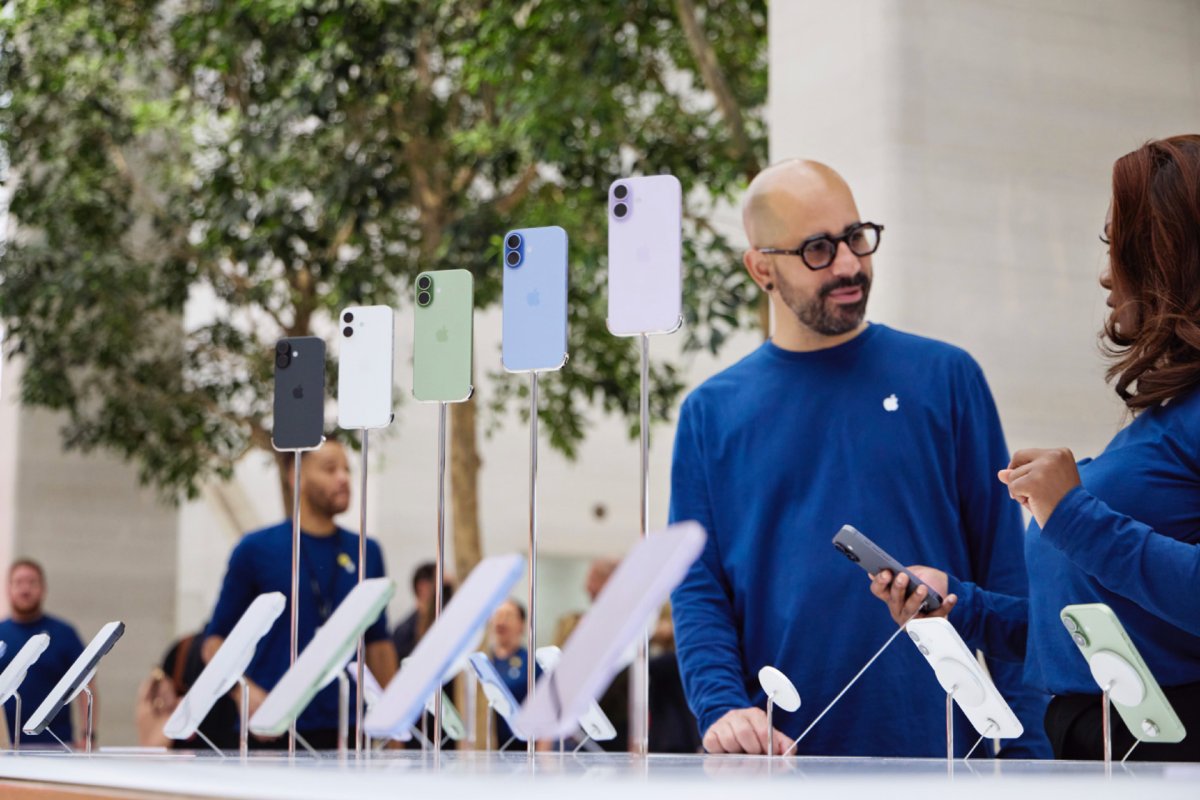
The introduction of a new iPhone Pro lineup is a recurring milestone in the consumer electronics calendar, often characterized by bold experimentation with color palettes and material finishes. In recent years, Apple has pushed the envelope with vibrant, eye-catching hues, leading to the highly publicized “Cosmic Orange” and reflective silver iterations found in the iPhone 17 series. While these bold design choices garnered attention for their departure from traditional industry norms, they left a distinct gap in the market for users who prefer a more monochromatic, professional appearance.
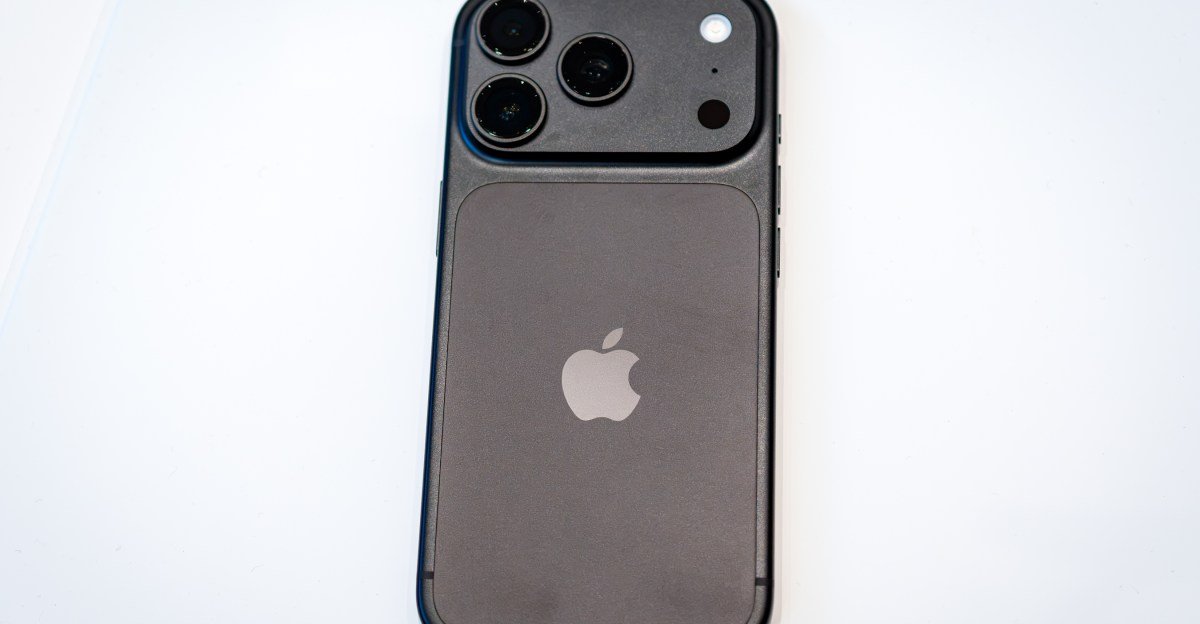
The industry has officially responded to consumer feedback with the reinstatement of the black model in the latest iPhone Pro generation. This shift back to a dark finish is more than a simple cosmetic adjustment; it represents a return to the foundational design philosophy that accompanied the inception of the Pro line in 2019. By reintroducing this dark tone, Apple acknowledges that for many professional users, the device serves as a utility tool that should prioritize a minimalist profile over decorative flair.
Engineering the Modern Black Finish
The manufacturing process behind a premium black smartphone is significantly more complex than applying a standard pigment. Achieving a deep, uniform black on a chassis—particularly one constructed from titanium or industrial-grade steel—requires sophisticated vapor deposition techniques. The current iteration utilizes a refined anodization process that bonds the color directly into the surface of the titanium frame. This ensures that the finish is not merely a superficial coat but an integrated layer resistant to the daily wear and tear that plagued earlier, high-gloss iterations of “jet black” devices.
The modern black finish balances a matte texture with the structural integrity of titanium. Unlike the high-gloss coatings of the past, which were prone to micro-abrasions and fingerprint accumulation, the current matte-black texture offers better grip and a tactile quality that masks minor surface contact. This technical achievement ensures that the device maintains its visual depth while providing the durability required for long-term ownership. For a user, this translates to a device that retains its out-of-box aesthetic even after months of intensive use in professional settings.
The Practicality of Professional Utility
Beyond the visual appeal, the black colorway serves a functional purpose in corporate and creative environments. Professional hardware is traditionally designed to remain inconspicuous. A matte-black device does not draw unnecessary attention to itself, allowing it to blend into a variety of settings, whether in a boardroom presentation, a high-stakes production studio, or a dimly lit media environment.
The color also provides a neutral canvas for accessories. Users who rely on protective cases, camera housing covers, or mag-safe battery packs find that the black chassis acts as a unifying base. It removes the friction of “clashing” colors, allowing for a cohesive look regardless of the case material—be it leather, silicone, or ruggedized synthetic polymers. This versatility is a hallmark of good industrial design, where the object’s appearance supports the user’s primary tasks rather than distracting from them.
Consistency Across the Ecosystem
The reintroduction of the black model aligns the iPhone Pro more closely with Apple’s wider hardware ecosystem. Devices such as the MacBook Pro, the Studio Display, and the Magic Keyboard peripherals have long utilized a signature “Space Gray” or deep black aesthetic. By bringing the iPhone Pro back into this fold, Apple creates a unified visual language for its high-end workstation tools.
For power users who maintain a suite of Apple hardware, this visual consistency reduces cognitive load. When devices share a consistent design language, they feel like an integrated system rather than disparate components. The return of the black phone allows the iPhone to act as an extension of the desktop experience, maintaining a professional atmosphere that is conducive to focus and efficiency. This design coherence is a critical, though often overlooked, element of user interface and user experience design that extends to the physical hardware itself.
Market Impact and Consumer Behavior
The demand for the black model highlights a segment of the consumer base that remains resistant to the cycles of “flashy” color trends. While experimental colors attract initial hype and social media coverage, the black model consistently demonstrates the highest long-term retention rates among professional users. Data suggests that individuals who purchase dark-toned devices are less likely to experience “design fatigue,” a phenomenon where a user grows tired of a polarizing color after a few months of usage.
Furthermore, the resale value of more conservative, neutral-colored devices tends to be more stable in the secondary market. Because a matte-black phone is universally perceived as professional and classic, it appeals to a broader demographic when the user eventually decides to upgrade to a newer model. As the smartphone market matures, manufacturers are finding that “timeless” design is often a more profitable strategy than constant stylistic deviation. By re-adopting the black chassis, the iPhone Pro lineup anchors itself against the volatility of trend-based design, ensuring that the flagship product remains relevant and desirable for years to come.
Disclaimer: This content is auto-generated for informational purposes only.
Source: Read Original News