








The Strategic Significance of the iPhone Duo
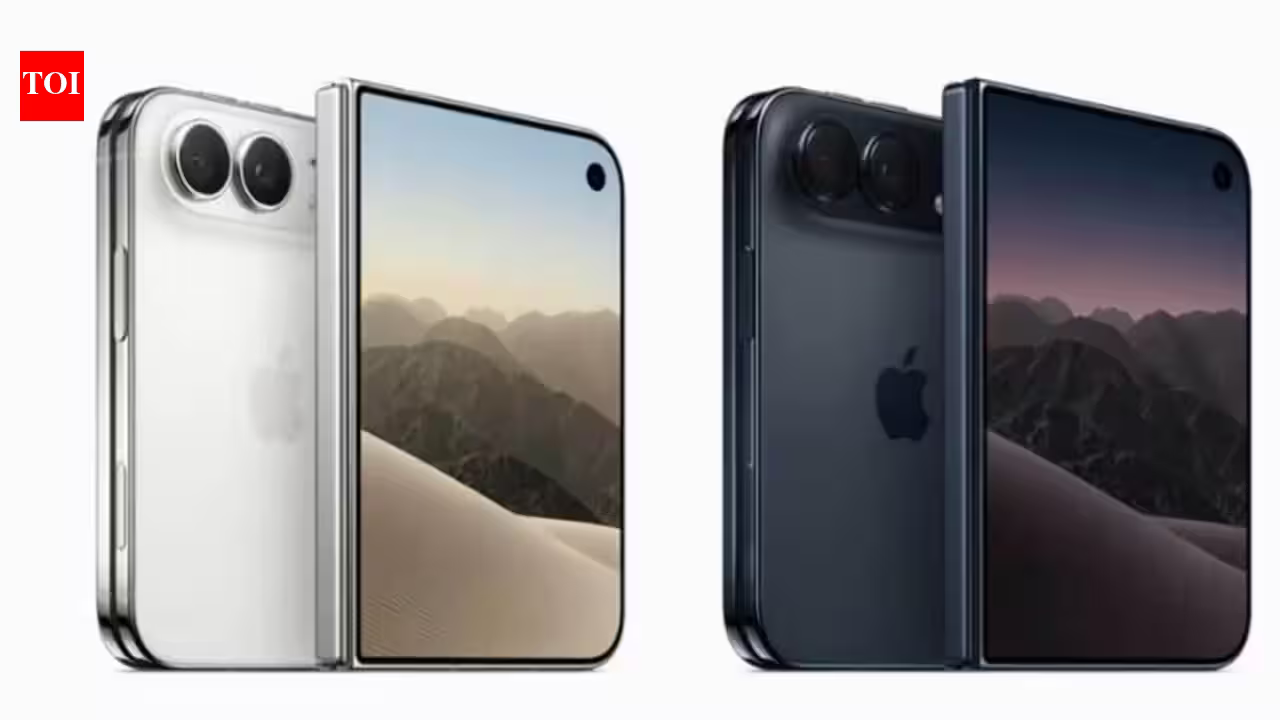
Apple’s recent foray into the foldable smartphone segment with the launch of the iPhone Duo marks a pivotal shift in the company’s product roadmap. For years, Apple maintained a conservative stance on foldable technology, prioritizing hardware refinement and ecosystem stability over the experimental releases favored by competitors like Samsung and Google. By introducing a device that unfolds from a 5.5-inch outer screen into a 7.8-inch tablet-like display, Apple is not merely participating in a trend; it is attempting to define the premium threshold of this category.
The decision to enter this space at a price point of Rs 2,99,900 in the Indian market suggests a calculated strategy aimed at the ultra-premium segment. This demographic is characterized by high brand loyalty and a preference for productivity-centric hardware. The integration of Apple Pencil support and side-by-side multitasking capabilities directly positions the iPhone Duo as a bridge between the traditional smartphone and the iPad, targeting professionals who require a compact yet versatile mobile workstation. The return of Touch ID via the power button indicates that Apple has prioritized physical ergonomics and screen real estate over the existing Face ID architecture, reflecting a hardware-first approach to the foldable form factor.
Competitive Landscape in the Indian Premium Market
The Indian smartphone market, while historically dominated by entry-level and mid-range devices, has seen a rapid transformation toward premiumization. Consumers are increasingly willing to invest significantly in devices that offer professional-grade utility and luxury status. Until now, the foldable market in India has been largely occupied by Samsung’s Z-series and various iterations from Chinese manufacturers that have emphasized screen folding mechanics and flashy designs.
Apple’s arrival changes the competitive calculus. With a brand value that remains unparalleled, the iPhone Duo forces rivals to justify their higher volume of iterations with better software integration and long-term support. In India, where “aspirational buying” drives the luxury technology segment, the iPhone Duo is likely to command a significant share of the high-end market despite its substantial cost. For established players, the challenge now shifts from proving that foldable phones work to proving that they belong in an enterprise-grade ecosystem. Apple’s emphasis on the A20 Pro chip and sophisticated thermal management suggests that they are banking on superior performance and thermal longevity to differentiate their foldable from competitors who may have struggled with battery efficiency and device heat under sustained, heavy-duty usage.
Technological Advancements in the iPhone 18 Series
While the iPhone Duo captures the headlines, the launch of the iPhone 18 Pro and Pro Max signifies a deeper focus on computational photography and long-term hardware resilience. The introduction of a 48MP main camera with a variable aperture is a major development for mobile photography enthusiasts. Historically, fixed apertures limited the creative control available to users, often necessitating post-processing to simulate depth-of-field effects. By allowing hardware-level control over aperture, shutter speed, and white balance, Apple is effectively narrowing the gap between smartphones and dedicated professional cameras.
Furthermore, the inclusion of “reference image” technology, which records signed sensor data to verify the authenticity of a photograph, serves as a proactive measure in an era dominated by synthetic media and manipulated imagery. This focus on provenance is becoming a critical business concern for professionals working in media, law, and journalism. When combined with the 2-nanometre A20 Pro chip, these devices represent a significant leap in architectural efficiency. The commitment to a 36-to-45-hour battery life, though contingent on usage patterns and eSIM reliance, suggests that Apple is addressing the primary grievance of power-intensive users: the necessity for constant charging during travel or extended business days.
The Integration of Artificial Intelligence
The integration of Siri AI via iOS 27 highlights Apple’s transition into a more aggressive artificial intelligence strategy. Unlike competitors who have released broad, general-purpose AI tools, Apple’s approach appears focused on context-awareness—utilizing data stored across messages, emails, and photos to provide curated assistance. This model of localized, personal AI intelligence appeals to a user base that prioritizes privacy and security, which is a major differentiator for Apple in the enterprise market.
However, the rollout strategy—initial beta availability and regional language limitations—indicates that scaling these features remains a complex task. In a diverse market like India, the effectiveness of Siri AI will be measured by its capability to interpret multi-lingual queries and maintain local relevance. The imposition of daily usage limits on cloud-based AI functions suggests that Apple is carefully balancing the computational costs of generative models with the need to maintain a seamless user experience. For businesses, this suggests that while AI is becoming a core part of the device, it will function as an assistant that respects resource constraints, rather than an omnipresent tool that drains device capacity.
Impact on the Professional and Enterprise Ecosystem
The introduction of the Watch Ultra 4, with its focus on health metrics like readiness scores and improved battery efficiency, completes a ecosystem refresh that is clearly aimed at the high-performing professional. The “readiness score” concept—which synthesizes heart-rate and HRV data—reflects a broader corporate trend toward “employee wellbeing as a productivity tool.” By enabling professionals to monitor their recovery and stress levels, Apple is extending the professional toolkit beyond the device into the user’s personal health management.
For the Indian business market, these launches underscore a move toward an “all-in-one” ecosystem. With the iPhone Duo providing tablet-like productivity, the iPhone 18 Pro providing professional imaging, and the Watch Ultra 4 providing health-integrated monitoring, Apple is creating a cohesive set of tools for the modern executive. The move toward eSIM-only variants for maximum battery life also hints at a future where device hardware is increasingly tethered to global, seamless connectivity. As Indian corporations continue to shift toward hybrid work environments and digital-first operations, the demand for hardware that combines durability, high-end performance, and ecosystem-wide synchronization will likely remain the primary driver for high-value procurement. Apple’s latest lineup, while expensive, positions itself as the standard for this new professional landscape.
Disclaimer: This content is auto-generated for informational purposes only.
Source: Read Original News