






The Strategic Rationale Behind the Ultra-Premium Smartphone
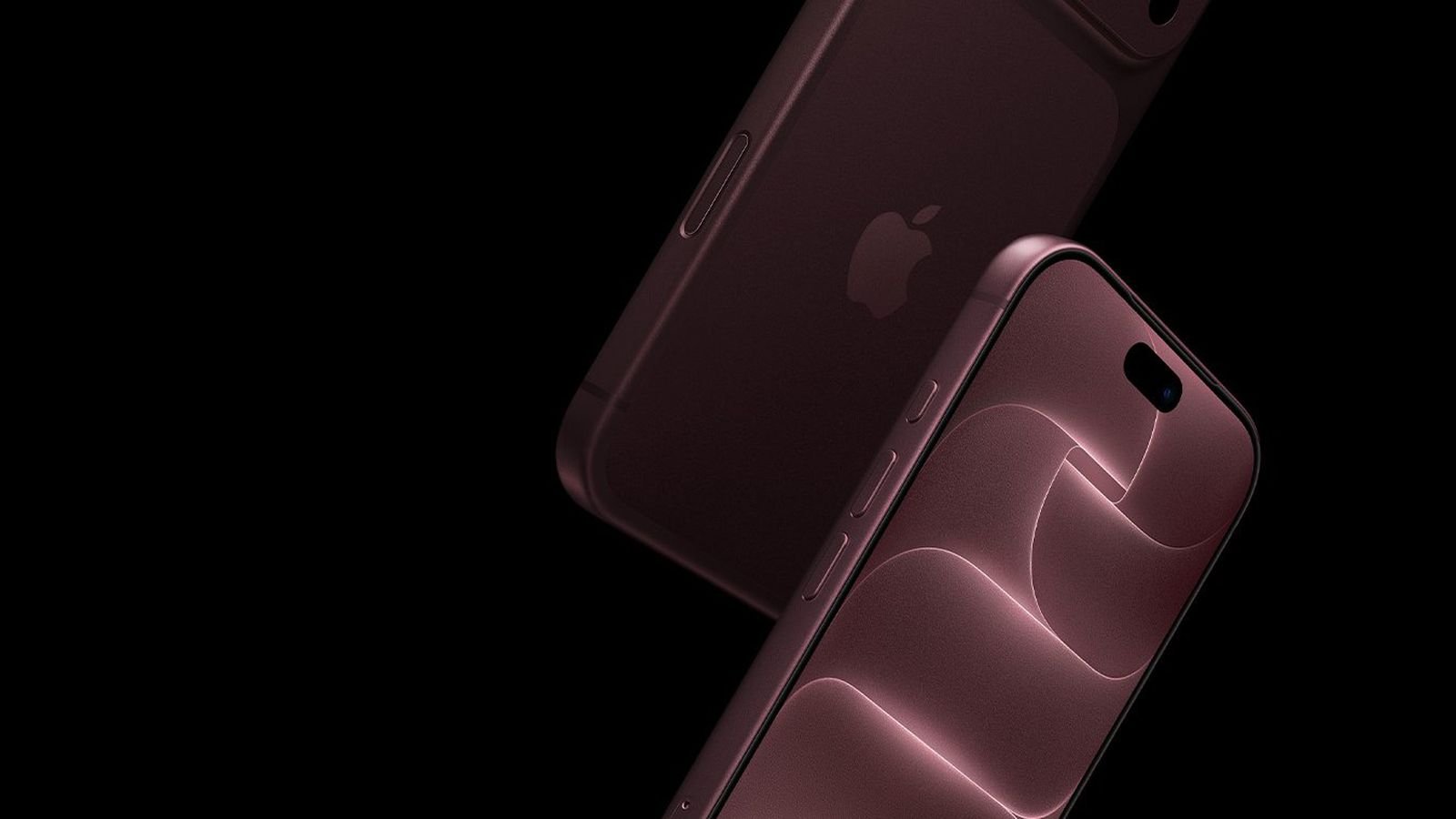
The recent unveiling of Apple’s latest flagship smartphone, priced at a staggering $1,999, marks a significant shift in the consumer electronics market. While industry analysts often focus on the bill of materials—the raw cost of components like silicon, titanium, and glass—the economics behind this price point extend far beyond mere hardware expenses. By positioning a device at this tier, the company is not merely selling a phone; it is establishing a new category of “prosumer” hardware that serves as an anchor for the rest of its product ecosystem.
This pricing strategy leverages the psychological principle of anchoring, where the existence of a $1,999 device makes a standard $999 or $1,199 model appear more attainable. Furthermore, this move allows the manufacturer to capture a higher margin from power users, content creators, and corporate clients who view hardware as a critical infrastructure investment rather than a disposable commodity. When a smartphone is used as a primary production tool for professional-grade photography, video editing, and complex data analysis, the price tag becomes secondary to the efficiency and output quality the device facilitates.
Advanced Silicon and Computational Architecture
At the core of the new $1,999 device is the integration of next-generation silicon, which represents the most significant cost driver in the manufacturing chain. To justify a price point that doubles the cost of a typical flagship, the hardware must be capable of tasks that were previously reserved for desktop workstations. The new chipset features an expanded neural engine designed specifically for local artificial intelligence processing, reducing reliance on cloud computing for complex tasks like real-time video rendering and high-fidelity ray tracing.
This investment in local computation hardware is strategic. By offloading resource-heavy tasks to the device itself, the manufacturer minimizes latency and enhances privacy for the user. The architecture also incorporates specialized memory controllers that support high-bandwidth throughput, allowing the device to maintain performance consistency even under extreme thermal loads. This is achieved through advanced thermal management systems, likely utilizing vapor chamber cooling technology, which adds complexity and cost to the internal assembly process.
Materials Science and Structural Engineering
The physical chassis of the new device reflects a departure from mass-market manufacturing techniques. To sustain a premium price, the company has utilized an aerospace-grade titanium alloy that provides a superior strength-to-weight ratio compared to traditional stainless steel or aluminum. Beyond the material itself, the manufacturing process involves precision CNC machining and chemical finishing treatments that ensure durability and a distinct aesthetic appeal.
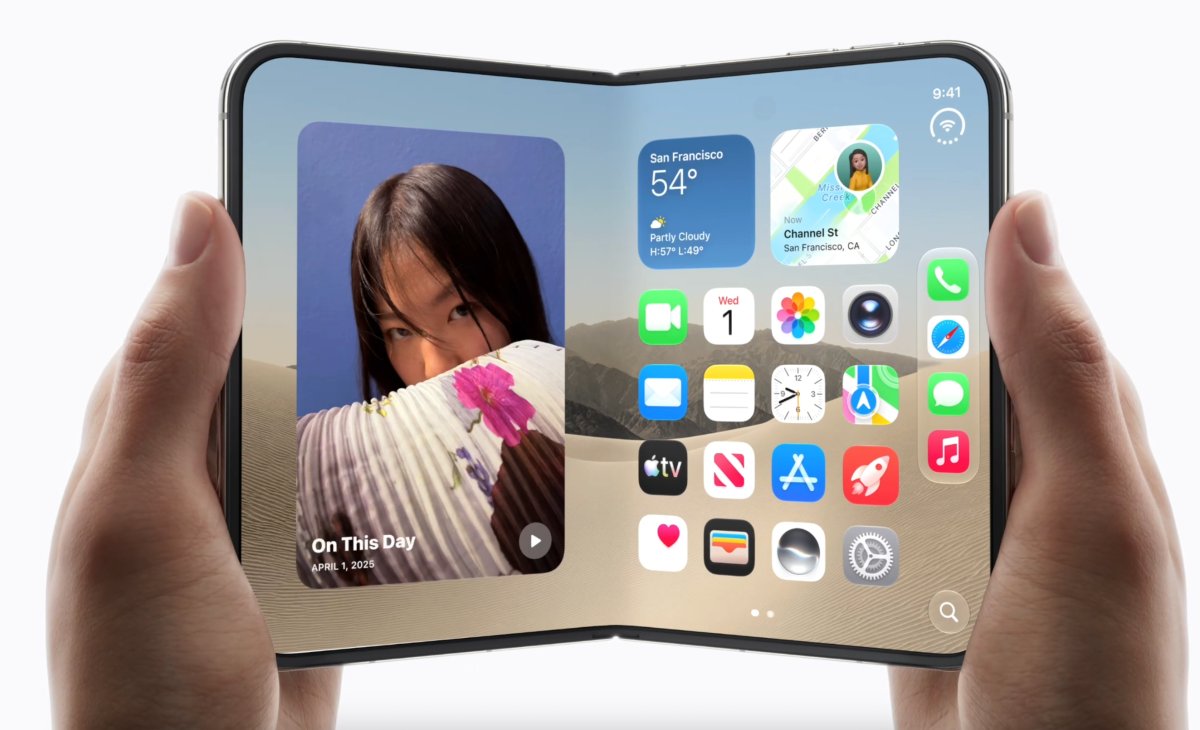
The display technology represents another major cost component. The use of advanced organic light-emitting diode (OLED) panels with variable refresh rates and record-breaking peak brightness requires sophisticated backplane architecture. These displays are not merely brighter; they are engineered for color accuracy that meets professional standards, eliminating the need for external reference monitors in many mobile workflows. Integrating these components into an ultra-thin frame while maintaining water and dust resistance requires precision engineering, which increases the rejection rate during quality control—an expense that is ultimately baked into the final retail price.
The Software and Services Ecosystem Integration
Hardware functionality is only one part of the value proposition. The $1,999 device is tethered to a suite of professional-grade software features that are exclusive to the new hardware. By gatekeeping advanced creative tools—such as professional color grading suites, high-bitrate video recording formats, and enhanced sensor fusion capabilities—within this specific hardware tier, the company creates a compelling lock-in effect.
This strategy effectively bridges the gap between hardware sales and recurring service revenue. Users who invest in a $2,000 device are more likely to subscribe to premium storage plans, cloud-based rendering services, and professional creative software suites offered by the company. This creates a high-margin recurring revenue stream that lasts for the lifetime of the device. Consequently, the high upfront price is a gateway to long-term economic engagement, ensuring that the consumer remains deeply integrated into the company’s platform.
Market Implications and Future Trajectories
The introduction of a $1,999 smartphone signals a maturation of the mobile industry. As innovation in standard smartphone hardware plateaus, manufacturers are turning toward niche, high-performance segments to maintain revenue growth. This trajectory suggests that the future of mobile computing will be increasingly stratified. The “standard” device will continue to serve as the baseline for the general public, while an “ultra-premium” tier will function as a hub for mobile-first professionals.
This development could also trigger a shift in how third-party developers build software. As high-end hardware becomes more powerful, developers are likely to focus on bringing desktop-class applications to mobile interfaces. If the $1,999 device achieves sufficient market penetration among creative professionals, it will set a new standard for what a mobile device is expected to handle. The economic success of this launch will likely dictate whether other manufacturers follow suit, potentially leading to a broader industry trend where the “smartphone” label is retired in favor of devices that function as portable computing powerhouses, eventually displacing traditional laptop and desktop systems for an increasing number of professional use cases.
Disclaimer: This content is auto-generated for informational purposes only.
Source: Read Original News