






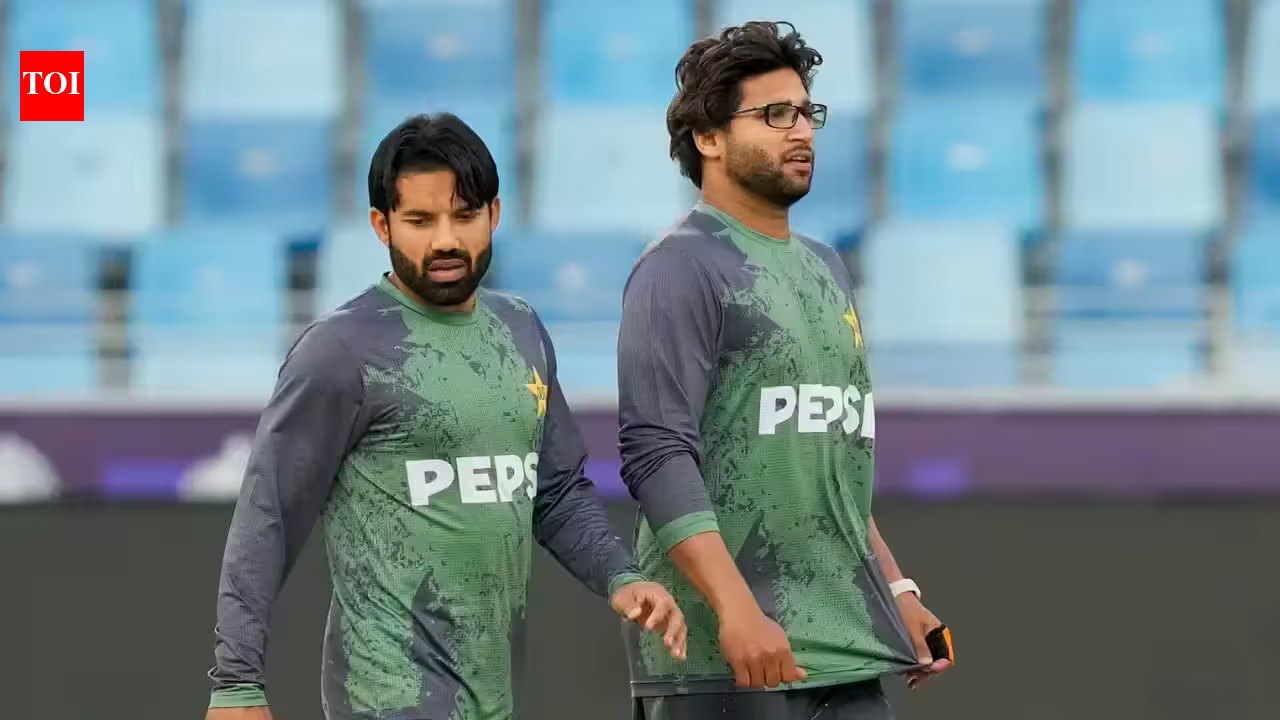
TURMOIL has engulfed the Pakistan cricket landscape as two of the nation’s most prominent international cricketers, Mohammad Rizwan and Imam-ul-Haq, find themselves at the center of a high-stakes investigation by the National Cyber Crime Investigation Agency (NCCIA). The summons, reported by Geo News, marks a staggering escalation in what has become a chaotic few weeks for the Pakistan Cricket Board (PCB), following a string of disastrous performances on the international stage.
The investigation appears to center on data retrieved from the personal mobile phones of the athletes. According to reports, the PCB took the extraordinary step of seizing the devices belonging to Rizwan and Imam before turning them over to federal authorities. The gravity of the situation is underscored by the involvement of the NCCIA, an agency typically tasked with investigating complex digital crimes, signaling that this is far more than a mere internal disciplinary matter.
## A Dark Chapter for Pakistan Cricket
The news of the NCCIA summons arrives just days after the PCB executed a massive purge of the national squad. Following a humiliating 194-run defeat at the hands of England at the iconic Lord’s Cricket Ground, the board moved swiftly to dismantle the existing structure. Seven players, including Rizwan and Imam, were unceremoniously released from the touring party and ordered to return to Pakistan immediately.
The roster of released players reads like a “who’s who” of the national team’s recent backbone. Beyond Rizwan and Imam, the list includes Salman Ali Agha, Ali Usman, Aamer Jamal, Awais Zafar, and Khurram Shahzad. The upheaval did not stop at the player level; the coaching hierarchy was also completely overhauled. Head coach Sarfaraz Ahmed and bowling coach Umar Gul were shown the door, with the board scrambling to install white-ball head coach Mike Hesson and bowling coach Ashley Noffke in their stead.
While the team’s on-field performance was undoubtedly poor, the sheer scale of the turnover suggests that the PCB is attempting to excise a deeper rot. The involvement of cyber crime investigators suggests the board is looking for answers that go beyond strike rates and bowling averages.
## The Mystery of the Mobile Phones
Perhaps the most troubling aspect of the investigation is the silence from the PCB regarding the specific reasons for seizing the players’ mobile devices. As of this report, the board has refused to issue an official statement clarifying what potential infractions—if any—prompted the security agencies to intervene.
Legal experts and cricket analysts are left to speculate on the nature of the data retrieved. Is the agency looking for evidence of spot-fixing, unauthorized communication with external parties, or something even more clandestine? The lack of transparency has allowed rumors to spiral, placing immense pressure on the two veteran players, both of whom have been pillars of the Pakistan side for several years.
It has also been confirmed that a third Pakistan cricketer has received a formal notice from the NCCIA, suggesting the net is widening. The agency’s scrutiny of the players’ digital footprint hints that the investigation could lead to long-term bans or even criminal charges, depending on what information is extracted from the devices.
## Questionable Selection Under Scrutiny
Adding further fuel to the fire, the NCCIA probe coincides with an intense internal audit into how Rizwan and Imam were selected for the tours of the West Indies and England in the first place. The PCB has initiated a separate, high-priority inquiry into the Selection/Advisory Committee, demanding written justifications for the inclusion of these specific players.
On August 31, the board issued a formal notice to a committee member, labeling the inquiry “urgent and of utmost importance.” The board has demanded a comprehensive breakdown of the performance metrics, selection criteria, and subjective reasoning used to recommend Rizwan and Imam for the Test squad. The urgency of the 24-hour deadline provided to the committee member suggests that the PCB top brass is looking for someone to hold accountable for the team’s decline.
Critics of the board argue that this “witch hunt” mentality is merely a distraction from systemic issues within Pakistan cricket. Others, however, believe that if there were irregularities in the selection process—or, more dangerously, breaches of anti-corruption protocols—a full-scale investigation is long overdue.
## What Lies Ahead?
For Mohammad Rizwan and Imam-ul-Haq, the path forward remains murky. Once heralded as the future of Pakistani batting, they are now fighting for their professional reputations in a legal arena. The sport of cricket, particularly in Pakistan, has historically been no stranger to controversy, but the intersection of cyber forensics, federal agency intervention, and radical squad restructuring is unprecedented.
As the NCCIA begins its deep dive into the digital records, the cricketing world waits with bated breath. The PCB, currently navigating a public relations nightmare, faces the unenviable task of rebuilding a fractured team while simultaneously answering to the law. Whether this inquiry cleanses the system or further damages the integrity of the national sport remains to be seen. One thing is certain: the era of “business as usual” for Pakistan cricket is officially over.
Disclaimer: This content is auto-generated for informational purposes only.
Source: Read Original News