






The Legacy of Polyarc in Virtual Reality Development
The gaming industry recently witnessed the conclusion of a significant chapter in virtual reality development as Polyarc, the Seattle-based studio behind the critically acclaimed Moss series, officially announced its closure. After nearly 12 years of operations, the studio confirmed it is winding down active development. This move follows a challenging period for independent VR developers who have navigated the shifting priorities of major hardware manufacturers.
Polyarc is widely recognized for its contributions to the early success of accessible VR platforms. By focusing on polished, high-fidelity experiences that prioritized player comfort and immersive scale, the studio established a reputation for technical excellence. The departure of the development team marks a notable shift in the landscape, as at least 29 staff members now seek new roles within the broader technology and software sectors.
Innovation in Immersion and Perspective
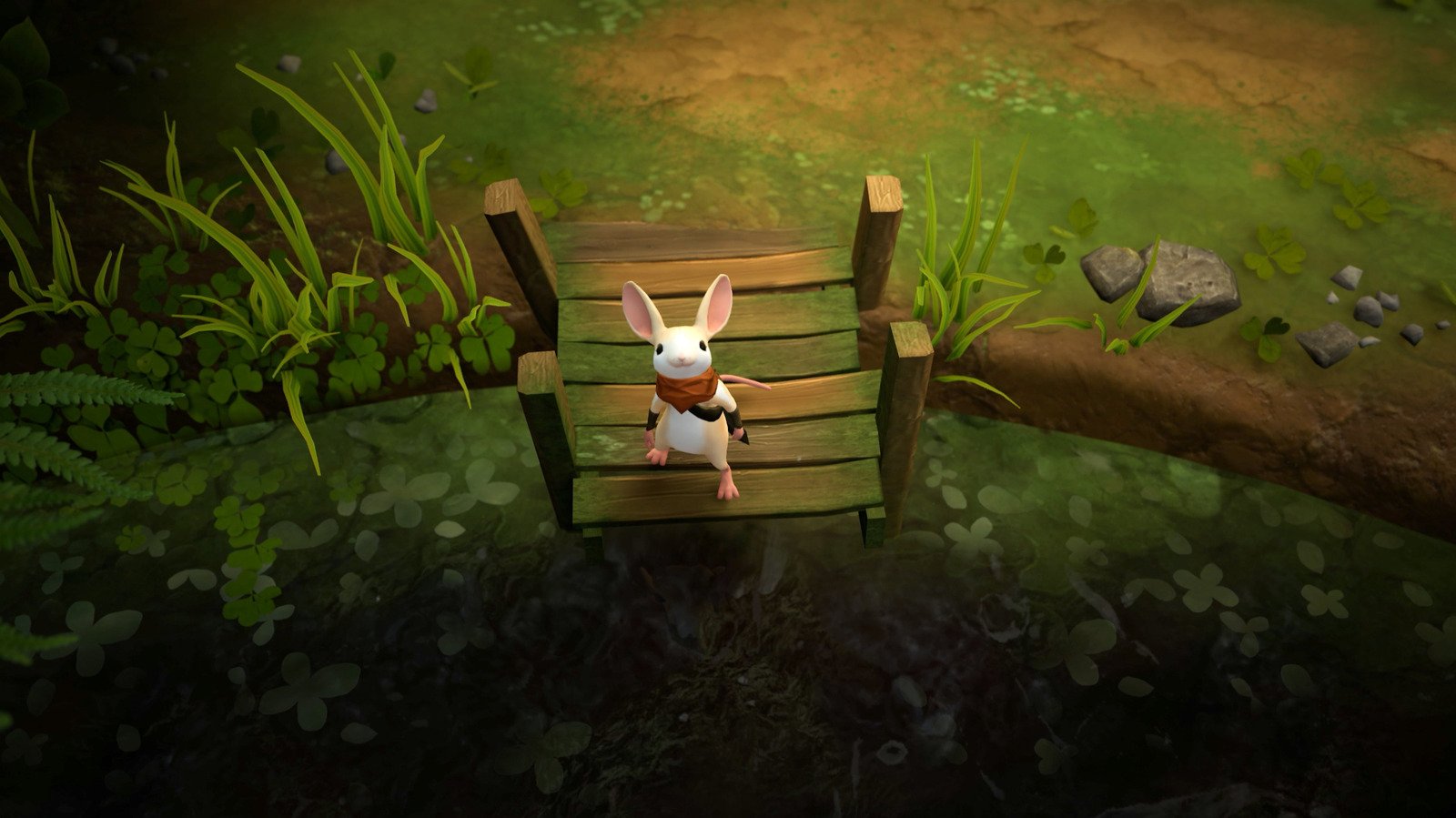
The Moss series represents a defining moment in VR design, demonstrating how developers could translate traditional action-adventure mechanics into a three-dimensional, spatial environment. The game introduced a unique camera system that effectively blended a diorama-style perspective with interactive, third-person controls. Players assumed the role of an observer who could physically lean into the virtual world to inspect environments or guide the protagonist, Quill, through complex architectural puzzles.
This design choice was groundbreaking at the time, as it solved common issues regarding motion sickness and spatial awareness in early VR hardware. By providing a stable, fixed viewpoint that felt like looking into a miniature theater, Polyarc enabled users to remain comfortable during extended play sessions. This approach not only garnered critical praise but also made Moss a staple title for the PlayStation VR and a flagship offering at the launch of the Oculus Quest, bridging the gap between niche enthusiast hardware and the mass market.
Navigating the Challenges of the VR Ecosystem
Despite the success of the Moss franchise, Polyarc’s closure reflects the broader volatility within the virtual reality market. Over the past year, the industry has experienced a distinct pivot from dedicated metaverse infrastructure toward generative AI and alternative hardware applications. Major industry players, most notably Meta, have significantly scaled back their internal investments in VR studio acquisitions and software development, which has created a challenging financial climate for independent developers who rely on external funding or platform-exclusive contracts.
For a studio like Polyarc, the difficulty lay in sustaining long-term growth within a sector that is currently undergoing significant contraction. The ripple effect of these corporate strategy shifts—ranging from the closure of first-party studios to the reduction in third-party development support—has made it increasingly difficult for specialized teams to secure the resources required to launch new, experimental projects. The studio’s recent attempt to pivot away from VR-only experiences by releasing Moss: The Forgotten Relic, which allowed users to play without a headset, indicates the extent to which studios have had to adapt to reach a wider, non-VR demographic.
The Shift Toward Cross-Platform Accessibility
In a final effort to expand its reach, Polyarc attempted to broaden the appeal of its intellectual property by adapting its flagship titles for traditional consoles and hardware. By retooling the mechanics of the Moss series for a flat-screen format, the studio aimed to capture a broader audience that had not yet invested in high-end virtual reality gear. While this strategy demonstrated technical versatility, it ultimately highlights the difficulty of migrating VR-native gameplay mechanics into traditional input environments.
The effort served as a testament to the studio’s desire to preserve its work, yet the commercial outcome appears to have been insufficient to sustain the company’s ongoing operations. This transition highlights a common hurdle for VR pioneers: balancing the specific, intentional mechanics designed for immersive hardware against the constraints of the conventional gaming market.
Future Availability and Technical Preservation
As Polyarc closes its doors, the industry is left with the question of long-term software preservation. Fortunately, the studio’s catalog, including both volumes of Moss and the multiplayer strategy game Glassbreakers, remains available for purchase and download across major digital platforms. Players with existing hardware, from standalone headsets to high-end desktop-tethered units, can still access the complete library.
The permanence of these titles provides a digital archive of how developers in the late 2010s conceptualized spatial interaction. While the studio has ceased operations, the technical blueprints for their camera systems and character interaction logic serve as a benchmark for future developers entering the augmented and virtual reality fields. As the hardware evolves to prioritize different interfaces, the contributions of studios like Polyarc will remain foundational, illustrating the potential for narrative-driven, third-person experiences in a fully immersive digital environment. The industry will look back on these works as early, successful attempts to standardize user comfort and engagement within a nascent technology.
Disclaimer: This content is auto-generated for informational purposes only.
Source: Read Original News