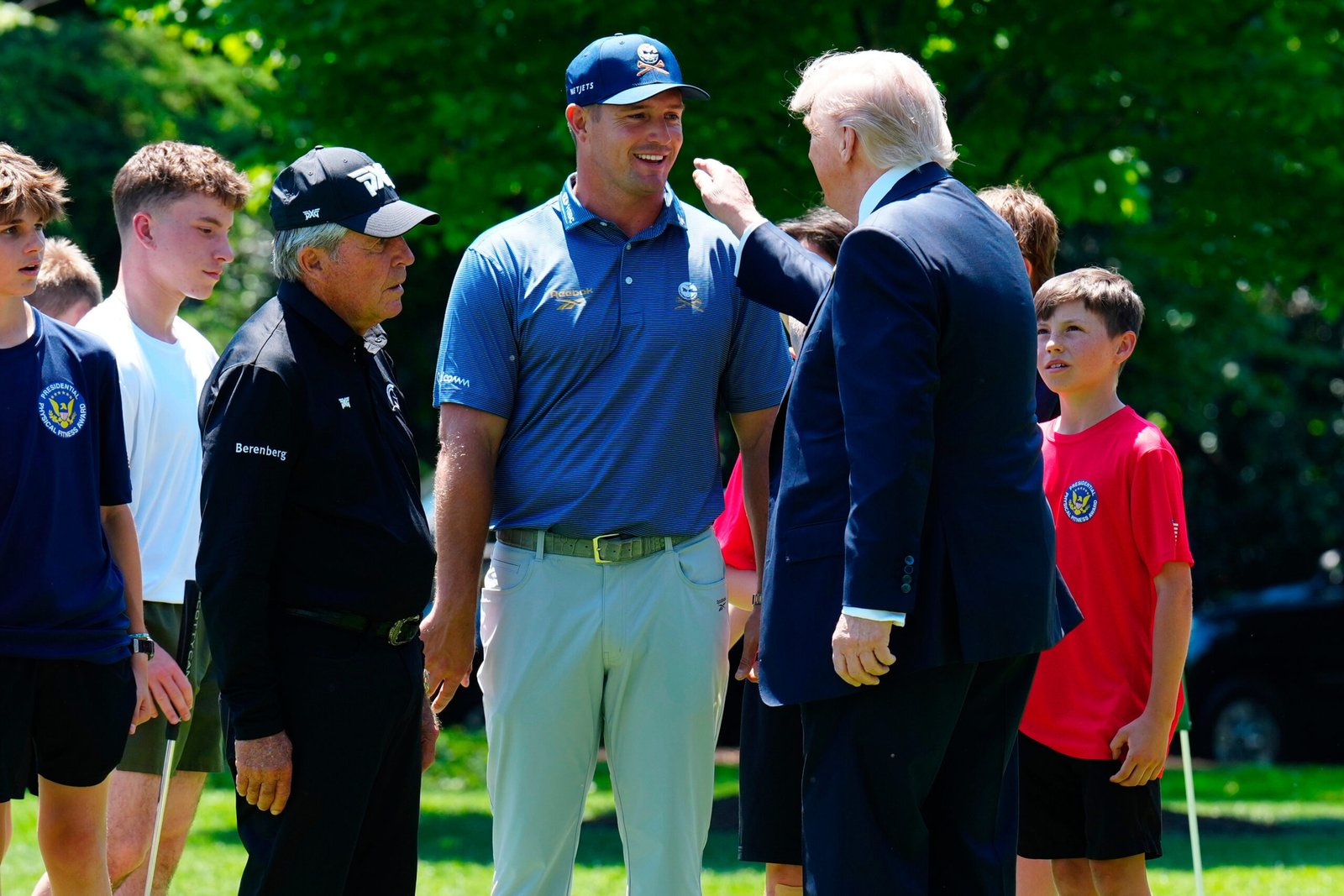






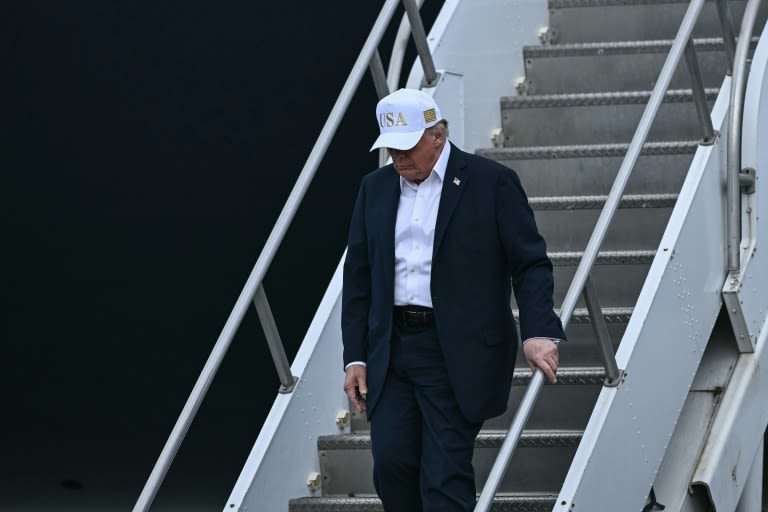
Donald Trump is concluding a two-day visit to Ireland, shifting his focus from high-stakes international diplomacy to the fairways of his private golf course in Doonbeg. While the trip was primarily intended to highlight his business portfolio, it has been overshadowed by an off-the-cuff political remark that has sent ripples through both Dublin and London.
A Diplomatic Stir Over Irish Unity
During a meeting with Irish Prime Minister Micheál Martin, Trump departed from long-standing U.S. foreign policy by publicly advocating for a united Ireland. While Washington has historically maintained a posture of neutrality regarding the status of Northern Ireland, Trump suggested that reunification is an inevitability. “It may as well happen now,” he remarked, a comment that quickly drew pushback from pro-UK loyalists and British officials.
The statement has placed renewed scrutiny on the 1998 Good Friday Agreement, the peace accord that dictates any path toward reunification must be decided by a democratic referendum. UK officials, including minister Angela Rayner, moved to distance themselves from the President’s commentary, emphasizing that the UK remains “really serious” about upholding the peace process. The diplomatic fallout highlights the volatility of impromptu remarks in the digital age, where AI-powered sentiment analysis and real-time news aggregation can amplify a single statement into a full-scale international incident within seconds.
The Intersection of Presidency and Profit
The primary reason for the President’s trip is to attend the Irish Open at the Trump Organization’s Doonbeg resort. The visit has reignited debates regarding the ethics of a sitting president balancing official state duties with personal business interests. While the White House has consistently dismissed allegations of corruption, legal scholars warn that the blurring of these lines sets a dangerous precedent.
In the tech and media sphere, this ongoing controversy has fueled intense interest in financial transparency tools. As platforms like Google Finance and various investment analysis AI models attempt to track the complex web of presidential assets, critics point to the staggering rise in Trump’s reported income—which climbed from over $600 million in 2024 to more than $2 billion in 2025. Richard Painter, a former White House ethics lawyer, argued that such visibility creates a systemic concern: the appearance that political favor can be purchased by patronizing the President’s private enterprises.
High-Tech Security and Public Scrutiny
The logistical footprint of the trip is as notable as its politics. The Irish government has reportedly allocated 20 million euros for a security operation involving roughly 4,000 personnel. This effort includes the deployment of advanced anti-drone technology, a necessity in an era where unmanned aerial systems have become a primary concern for event security and surveillance.
Despite the heavy security, the event has not been without incident. Local authorities confirmed that protesters—including activists targeting the President’s history and policies—have been arrested for trespassing at the County Clare site. For the 40,000 fans in attendance to watch world-class players like Rory McIlroy, the tournament serves as a case study in modern event management.
As digital tracking of global leaders becomes more sophisticated, the intersection of tech-driven public perception and traditional statecraft is only growing more complex. For Trump, the visit serves as a final push to promote his real estate and hospitality brand before returning to Washington. For his critics, it is the latest example of a presidency that operates outside the conventional boundaries of public office, leveraging global visibility to solidify a business empire that continues to show exponential growth in the digital and cryptocurrency-driven economy.
Disclaimer: This content is auto-generated for informational purposes only.
Source: Read Original News