









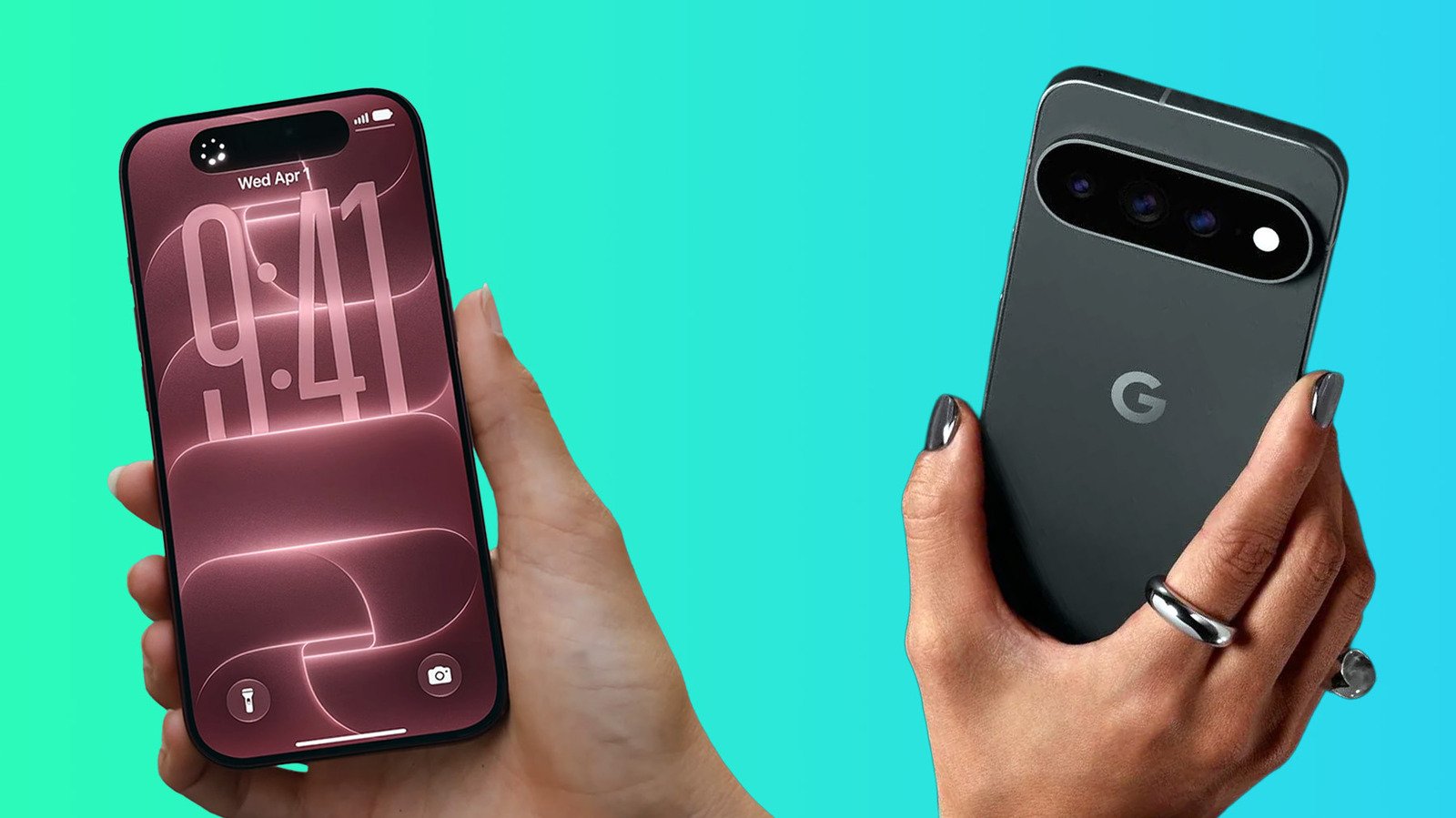
The release of the iPhone 18 Pro and the Pixel 11 Pro marks another chapter in the evolution of modern flagship smartphones. Rather than attempting to reinvent the mobile experience, both Apple and Google have focused on iterative refinement, enhancing their existing hardware and integrating increasingly sophisticated artificial intelligence. With similar price points and comparable performance metrics, the choice between them remains rooted in ecosystem preference rather than a drastic functional divide.
Design and Build Philosophy
Both flagships maintain the established design identities of their respective brands. The Pixel 11 Pro continues the use of its signature full-width camera bar, now refined with edge-to-edge glass that creates a more uniform appearance. Google has also improved the mechanical ergonomics of this camera bar, which effectively stabilizes the device when placed on flat surfaces. The device is constructed with an aluminum frame, available in a color palette that includes Canyon, Fog, Olive, and Obsidian.
The iPhone 18 Pro retains its aluminum unibody construction, bolstered by a Ceramic Shield back panel for improved structural integrity. Apple has refreshed the lineup with two distinct new finishes: Glacier and Burgundy, alongside classic black and silver versions. When comparing dimensions, the Pixel line generally leans toward a lighter footprint; the Pixel 11 Pro XL, for instance, weighs approximately nine percent less than the iPhone 18 Pro Max, offering a subtle advantage for users who prioritize handheld comfort over time.
Display Technology and Visual Fidelity
Both manufacturers have equipped their Pro models with high-end OLED panels featuring adaptive 120Hz refresh rates. The display sizes are closely matched, with 6.3-inch screens on the standard models and roughly 6.8 to 6.9 inches on the Pro Max and XL versions. While Google specifies a higher peak brightness at 3,600 nits compared to Apple’s 3,000 nits, the practical difference is minimal in daily usage due to different proprietary measurement standards.
Apple continues to refine its Dynamic Island, which now supports up to three simultaneous Live Activities, enhancing the utility of the screen’s cutout. Conversely, the Pixel 11 Pro utilizes a smaller punch-out camera, though it lacks the integrated depth-sensing hardware required for Apple’s Face ID. Both screens offer high pixel density, ensuring sharp text and image rendering, with both companies employing advanced protective coatings to mitigate scratches and reflections.
Photography and Professional Control
The camera systems represent a significant divergence in philosophy. Google relies heavily on algorithmic processing, using AI to manage lighting and detail recovery. Features like Instant Night Sight allow for rapid low-light captures, while Pro Zoom reaches 120x magnification. However, the Pixel’s aggressive AI processing can occasionally produce results that feel unnatural, particularly in highly detailed textures.
Apple has shifted its focus toward providing manual control. The introduction of a variable-aperture lens on the iPhone 18 Pro allows users to adjust depth of field and light intake physically. Furthermore, Apple has introduced “Reference Image” technology, which saves an unalterable, signed digital negative alongside edited photos, providing a way to verify the authenticity of an image against AI-generated fakes. For videographers, the iPhone remains the leader, offering ProRes RAW, Apple Log 2, and 4K Dolby Vision at 120 fps, catering to users who require professional-grade hardware for production.
AI Integration and Practical Utility
The approach to AI has become the primary differentiator for these devices. The Pixel 11 Pro is built upon a foundation of deep, proactive AI integration. Features like Gemini Nano operate locally, providing on-the-fly text cleanup and automated photo management via Magic Capture. The Pixel is designed to suggest AI-driven actions across the interface to streamline tasks, making it a highly automated companion.
Apple’s strategy with the new Siri is more conservative and context-aware. By drawing from private data across the user’s messages, email, and photos, the updated Siri is designed to perform cross-app actions securely. Because Apple collaborated with Google on certain underlying models, there is some shared technological DNA, but the implementation differs. Apple restricts its more advanced generative tools behind server-based compute, prioritizing privacy and intent-based assistance over the Pixel’s broader, more aggressive automation.
Performance and Longevity
Under the hood, both phones feature new custom silicon. The Tensor G6 in the Pixel is optimized for the heavy demands of on-device AI tasks and rapid app launching. Meanwhile, the iPhone’s A20 Pro chip focuses on sustained performance, aided by a large vapor chamber that prevents thermal throttling during intense gaming or high-resolution video rendering.
Battery life remains competitive, with both brands promising all-day performance. Apple has focused on rapid charging capabilities, allowing the iPhone 18 Pro to reach a 50 percent charge in just 15 minutes. The Pixel 11 Pro XL counters with a strong 75 percent charge in 30 minutes. Regardless of these differences, both devices provide sufficient power for even the most demanding users, and the final decision will likely come down to whether a user is more invested in the Apple hardware ecosystem or the software services offered by Google.
Disclaimer: This content is auto-generated for informational purposes only.
Source: Read Original News