








Hundreds of London Underground workers may have been exposed to hazardous asbestos fibres for nearly two decades without the mandatory safety protections required by law, according to internal documents revealed during recent legal proceedings.
The disclosures suggest that Transport for London (TfL) failed to implement critical safety measures mandated by the Control of Asbestos Regulations 2002. These regulations stipulate that employers must provide workers with individually face-fitted respiratory masks if they are tasked with operating in environments where asbestos may be present. However, internal emails and meeting minutes indicate that such equipment was not issued to staff until as late as 2020.
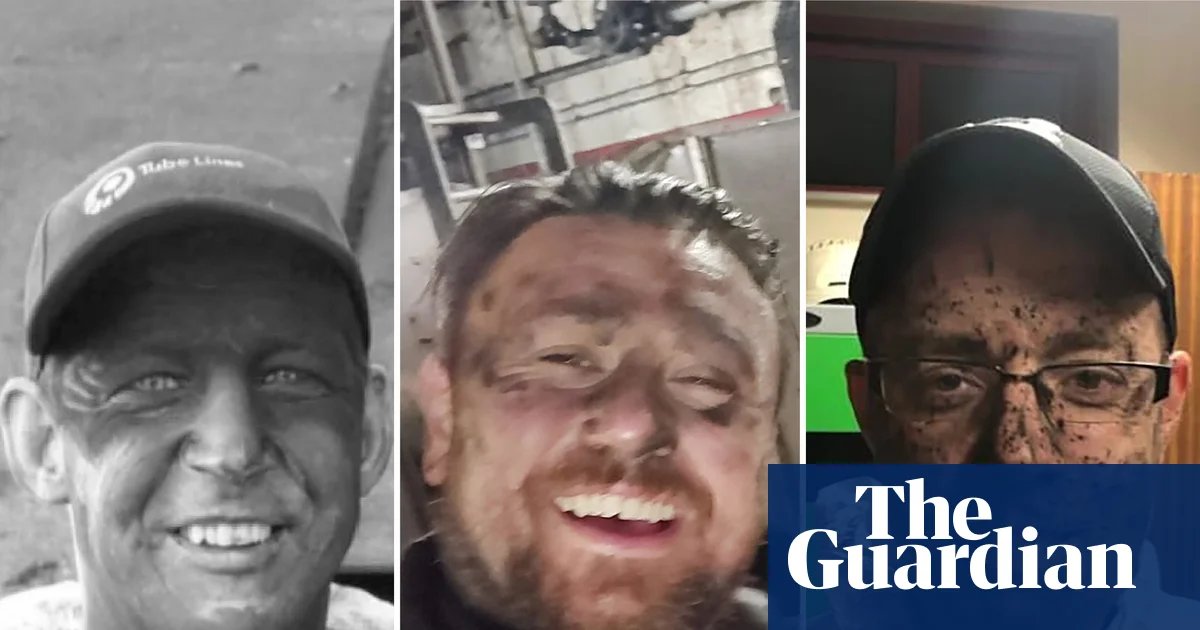
The extent of the oversight came to light during an employment tribunal involving Micky Steeds, a former London Underground cleaner. Steeds successfully claimed he was unfairly dismissed after repeatedly raising concerns regarding his exposure to toxic dust. During the tribunal, evidence surfaced revealing that management was aware of the gaps in protection. In one set of minutes, a manager admitted to having no record of face-fitted masks being issued as recently as 2018 to teams responsible for cleaning vent dust, which often contained asbestos-sheathed cables. Another manager, overseeing lifts and escalators, acknowledged in late 2020 that “a lot of people aren’t face-fitted” and noted that, while staff should not have been working in those conditions, “it has happened.”
TfL manages an aging infrastructure that reportedly contains more than 20,000 recorded instances of asbestos-containing materials. While the transport body maintains that its current controls are robust and compliant with government regulations, the internal documentation suggests a history of non-compliance. One manager noted in a 2023 email that mandatory fibre sampling—a legal requirement to measure dust toxicity—had not been conducted.
The potential health consequences for the workforce are significant. Asbestos exposure is linked to life-threatening conditions, including mesothelioma and lung cancer, often with latency periods spanning several decades. Catriona Ratcliffe, a solicitor specializing in industrial injury at LeighDay, highlighted that the risks are compounded when asbestos materials are damaged or degraded, as is often the case in the Underground’s older tunnels. “If someone is exposed to asbestos over many years, even at low levels, that is going to put that person at risk,” Ratcliffe stated. “If the employer had knowledge of the risk of exposure, that could result in a legal claim if they have not taken the precautions required under regulations.”
The financial implications for TfL are already mounting; the public body has previously paid out more than £7 million in compensation and legal fees related to asbestos exposure. Earlier this year, Ratcliffe secured a six-figure settlement for a former inspector diagnosed with sarcomatoid mesothelioma 27 years after working on the Northern Line.
Former staff members, including Micky Steeds and former cleaner Rob Donnan, estimate that the lack of protection likely affected hundreds of employees across the vents and escalator departments between 2002 and 2020. Workers reported a culture of informality, where cleaners were often left to rely on “common sense” when encountering broken chunks of asbestos or cable shearing, rather than formal safety protocols.
In response to the allegations, a spokesperson for TfL stated that the organization has “strict controls in place” to ensure that both customers and staff are protected from asbestos exposure. They asserted that specialist teams continuously monitor and manage locations where the material is present. However, because TfL is currently appealing the ruling in the Steeds case, the body declined to provide further comment on the specific evidence presented during the tribunal.
As the legal proceedings continue, the disclosures raise urgent questions about the systemic management of hazardous materials within the capital’s transport network and the long-term health legacy for those who have spent years maintaining it.
Disclaimer: This content is auto-generated for informational purposes only.
Source: Read Original News