







The Strategic Shift Towards Granular Monetization in Food Delivery
The food delivery sector in India has evolved from a growth-at-all-costs model to a rigorous pursuit of profitability. As market leaders consolidate their positions, the focus has shifted toward refining unit economics through complex fee structures. Zomato’s recent decision to introduce a “Pay on Delivery Fee” for cash-on-delivery (COD) orders marks a significant escalation in this strategy. By monetizing the choice of payment, the company is not merely recovering costs; it is signaling a broader departure from the convenience-first approach that characterized the early years of the gig economy.
In the Indian market, where price sensitivity remains a defining trait of consumer behavior, any additional levy is scrutinized. However, the move is rooted in the operational realities of cash handling. Processing cash is significantly more expensive than processing digital payments. It involves risks associated with cash management, the requirement for delivery partners to manage change, potential security concerns during transit, and the longer settlement cycles for the business. By externalizing these costs, Zomato is effectively nudging its user base toward digital payment ecosystems, which offer higher transparency and faster reconciliation for the company.
Operational Implications and Cost Recovery Models
The introduction of a dynamic, variable fee structure suggests that Zomato is utilizing data-driven insights to mitigate risks. By applying different fees based on order value and potentially other geographical or behavioral factors, the company is performing a complex calculation of the “cost to serve.” The logistical burden of handling cash is non-linear; smaller orders might carry a disproportionate cost in terms of cash management relative to the order value, which likely explains the variability in the fees observed by users.
This fee structure functions as an operational tax on inefficient payment methods. From a business perspective, the objective is to optimize the delivery process. When a delivery partner collects cash, it introduces friction in the handover process. Digital payments facilitate “no-contact” deliveries and faster departures for the delivery personnel, allowing them to complete more orders in a given timeframe. By charging for COD, Zomato is likely attempting to reduce the time spent at each doorstep, thereby increasing the efficiency of its fleet. This is crucial for a business model that relies on high-volume, low-margin transactions to achieve profitability.
Market Dynamics and the Competitive Landscape
The competitive environment between Zomato and Swiggy has traditionally been defined by price matching and aggressive incentives. However, the current divergence in strategy—with Swiggy choosing not to levy a separate COD fee—highlights a shift in corporate priorities. For Zomato, the priority is clear: achieving sustainable margins that satisfy investor expectations for long-term fiscal health. By implementing this fee, Zomato is testing the price elasticity of its user base. If successful, it demonstrates that its brand equity and service reliability are strong enough to withstand additional charges without leading to significant customer attrition.
This divergence also suggests a difference in how the two major players view the Indian consumer. Swiggy may be opting to maintain the COD convenience as a competitive advantage to capture market share, particularly in Tier-2 and Tier-3 cities where digital payment penetration may be lower or where trust in digital transactions is still evolving. Zomato, conversely, appears to be targeting the segment of its audience that values speed and service efficiency, banking on the fact that those who prefer digital payments will continue to use the platform, while those who persist with cash will compensate the company for the added operational overhead.
The Intersection of Consumer Behavior and Digital Transformation
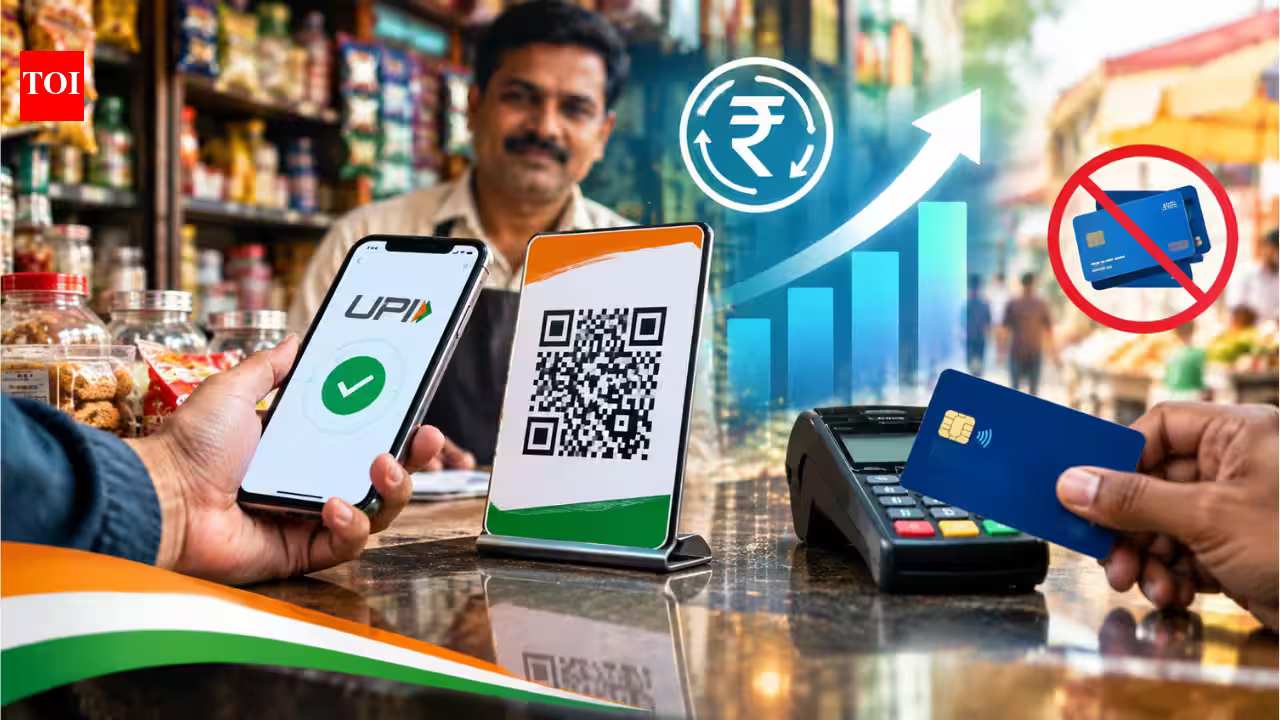
India’s digital payment landscape, propelled by the Unified Payments Interface (UPI), has been a success story in the global financial technology sector. However, the persistence of COD underscores a lingering cultural preference for tactile currency and the desire to inspect goods before finalizing payment. By adding a surcharge for cash payments, Zomato is effectively playing the role of a secondary regulator, incentivizing the formalization of transactions.
This policy aligns with the broader push toward digital transformation within the Indian service economy. When businesses penalize cash usage, they indirectly accelerate the adoption of digital wallets and UPI. Over time, as more platforms implement similar “convenience” or “handling” charges for non-digital payments, the consumer friction associated with digital banking will fade, making cash-based transactions the exception rather than the norm. This shift is highly beneficial for platform operators, as it provides them with more predictable cash flows, reduced insurance premiums for delivery fleets, and higher data integrity regarding customer spending patterns.
Sustainability and the Future of Gig Economy Economics
The long-term viability of the food delivery business hinges on its ability to move beyond subsidy-driven growth. For years, these platforms operated by absorbing delivery costs and processing fees, effectively insulating the customer from the real cost of logistics. That era is effectively over. The current trend of adding platform fees, packaging charges, and now, payment-specific surcharges, represents a maturation of the business model. It is an acknowledgment that the delivery service itself is a premium utility, and every layer of that service incurs a cost.
As these platforms continue to refine their revenue models, we can expect to see further segmentation of costs. Rather than a flat delivery fee, future models may include granular pricing based on distance, time-of-day demand, traffic conditions, and payment methods. This level of precision, while potentially frustrating for the average user, is necessary for achieving the scale and profitability required to support the massive infrastructure that sustains these delivery networks. The move by Zomato serves as a bellwether for the industry; if the platform sustains its volume despite these fees, it will likely provide the blueprint for other players in the logistics and e-commerce space to follow.
Ultimately, the goal is to decouple the delivery business from the burden of cash logistics. By assigning a tangible value to the choice of payment, Zomato is forcing a recalculation of the cost of convenience. While critics might label this as nickel-and-diming, analysts view it as a necessary correction to achieve a balanced, self-sustaining financial framework. As the Indian consumer continues to migrate toward digital-first interactions, these transitionary fees may eventually decline or be absorbed back into the platform, but for now, they serve as a critical tool for operational optimization in an increasingly challenging and competitive market.
Disclaimer: This content is auto-generated for informational purposes only.
Source: Read Original News