





Putin Calls for Global Governance Overhaul at BRICS Summit in New Delhi
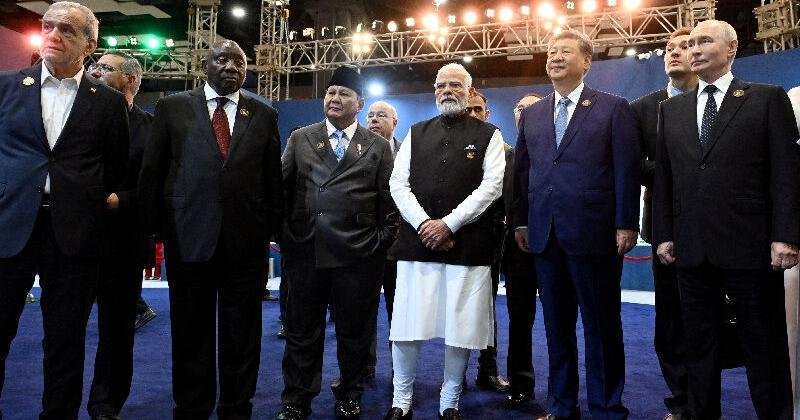
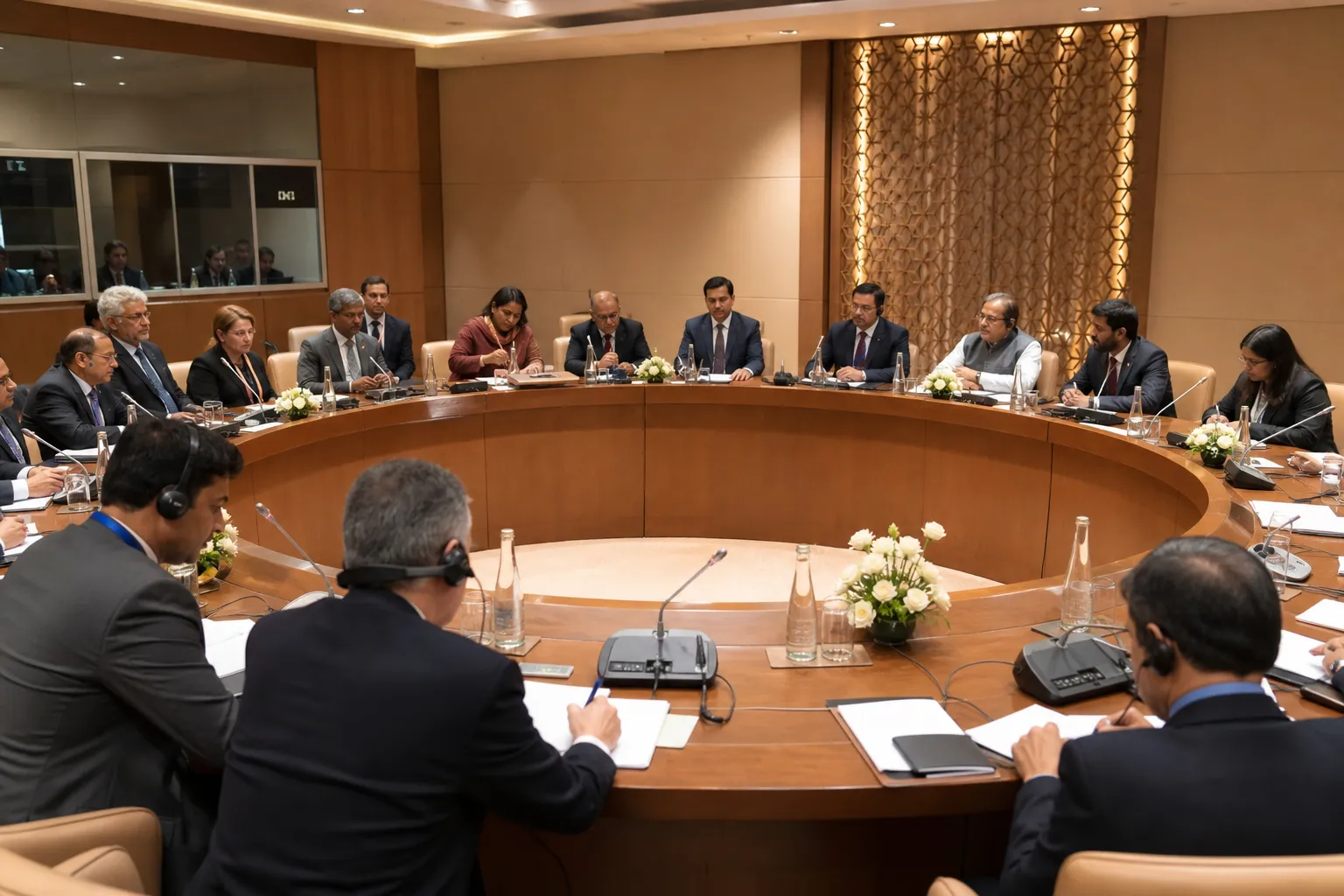
At the 18th BRICS summit held in New Delhi, Russian President Vladimir Putin advocated for a significant restructuring of international institutions, emphasizing the need for greater inclusivity in global governance. Addressing fellow leaders, the Russian President proposed a comprehensive expansion of the United Nations Security Council, specifically arguing that the current structure fails to reflect the modern geopolitical landscape.
Pushing for Increased Global South Representation
During his address, Putin underscored the necessity of augmenting the presence of nations from Asia, Africa, and Latin America within the UN Security Council. He asserted that such a shift is essential to bolstering the United Nations’ central role in maintaining international stability and enhancing the organization’s overall efficacy in addressing 21st-century crises.
“Russia continues to place immense value on the UN’s role in global affairs,” Putin stated, according to transcripts from the Kremlin. He further encouraged BRICS member states to coordinate their efforts to reform global structures, arguing that the collective bloc represents a growing intellectual and technological powerhouse capable of shaping a more balanced world order.
Reforming International Economic Institutions
Beyond the diplomatic arena, the Russian leader directed his focus toward the global economic architecture. He characterized long-standing pillars of the international financial system—the International Monetary Fund (IMF), the World Bank, and the World Trade Organization (WTO)—as increasingly ill-equipped to manage modern economic realities.
While acknowledging these institutions as critical platforms for dialogue among the world’s leading economies, Putin suggested that they have struggled to adapt to the changing nature of the global market. He urged BRICS nations to strengthen their cooperation within these frameworks to ensure that the voices of emerging economies carry more weight in decision-making processes.
A Stance on Multipolarity
The summit served as a stage for the Russian President to contrast his vision of a “multipolar world” against what he described as the restrictive policies of Western powers. Putin claimed that the transition toward a multipolar global order is currently meeting stiff resistance.
He accused certain nations of attempting to contain their competitors through what he termed “unfair practices,” including the imposition of economic sanctions, the initiation of tariff wars, and the employment of political pressure. By leveraging the combined influence of the BRICS nations, Putin argued that the bloc has solidified its position as a central pillar of global governance, capable of countering these containment strategies.
The summit in New Delhi highlights the ongoing debate regarding the necessity of institutional reform in an increasingly interconnected, yet divided, global community. As BRICS continues to expand its reach, the push for more equitable representation in bodies like the UN Security Council remains a central theme for leaders seeking to redefine the hierarchy of international diplomacy. The discourse in New Delhi reflects a broader trend among non-Western powers to seek greater autonomy and influence within the institutions that have defined global politics since the post-World War II era.
Disclaimer: This content is auto-generated for informational purposes only.
Source: Read Original News