









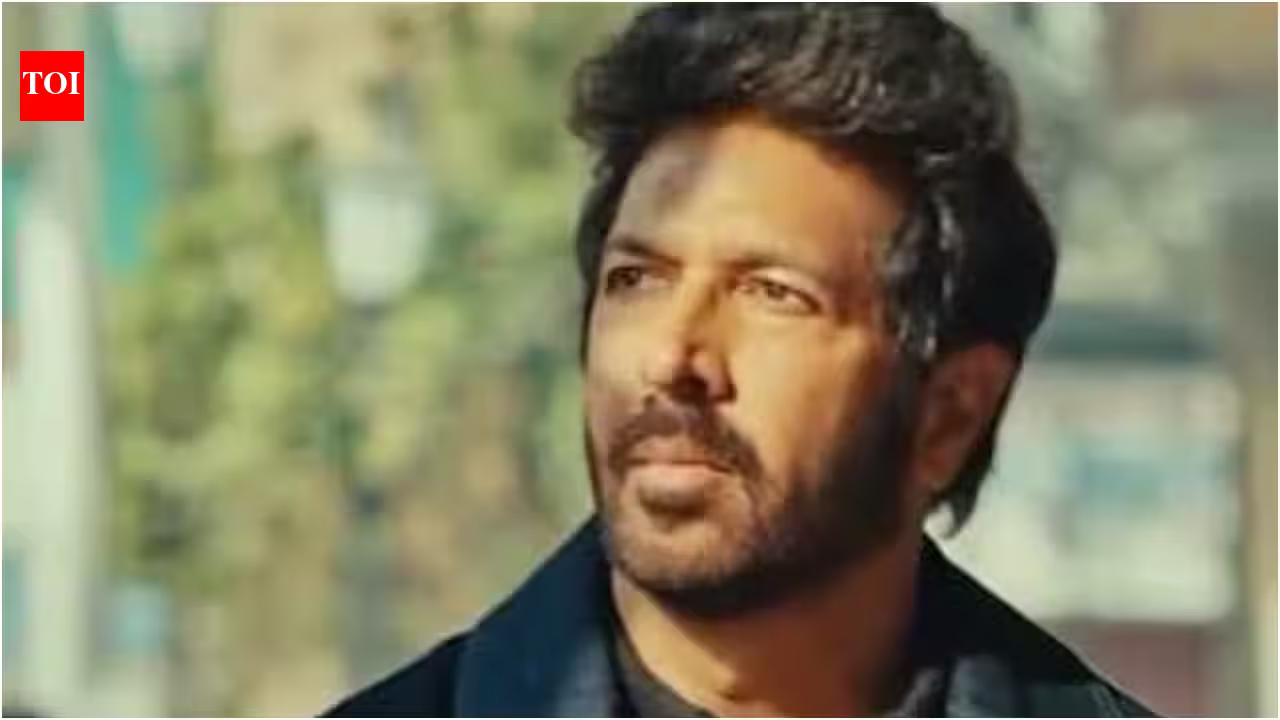
The Shadow of the Towers: How Kabir Khan Turned Collective Grief into Cinema
In the landscape of Indian cinema, few films have managed to tackle the complex, stinging reality of the post-9/11 geopolitical climate with the nuance found in Kabir Khan’s 2009 sophomore feature, New York. While the world prepares to mark the 25th anniversary of the tragedy that redefined the 21st century, the director has peeled back the curtain on his own formative experience, revealing that the film was never just a script—it was a visceral reaction to a world irrevocably altered.
For Khan, the story of New York began long before the cameras rolled or the cast was assembled. It began in the silence of a city that had lost its rhythm, a city he was physically present in when the towers fell.
A Witness to the Unthinkable
Most filmmakers rely on archival footage or news reports to build the backdrop for a political drama. Kabir Khan, however, carried the raw, unfiltered memories of a witness. Posting a series of poignant images on Instagram to mark the impending 25th anniversary, Khan reflected on the haunting atmosphere he encountered in the US during that fateful September.
“I was in the US when 9/11 happened and witnessed a city shaken by the unimaginable tragedy,” Khan shared. This wasn’t the clinical distance of a news broadcast; it was the proximity of someone watching a metropolis mourn. The terror of that day did not dissipate when the smoke cleared. Instead, it seeped into the city’s pores, changing the way people looked at their neighbors, their commutes, and their own sense of safety. These observations would eventually form the skeletal structure of a screenplay that would define his career.
The Seven-Year Return: Revisiting a City in Transition
Seven years is a lifetime in a city that moves as fast as New York. When Khan returned to the five boroughs in 2008 to begin production on his film, he wasn’t just scouting locations; he was gauging the emotional temperature of a place that had been forced to grow up overnight.
Returning to those streets allowed Khan to see the juxtaposition of the old energy and the new caution. “This time, I walked those streets again,” he noted. “The city remains restless, resilient and gloriously alive.” It was this resilience that he wanted to capture—a city that refused to be defined solely by the trauma of a singular day, yet could never entirely forget the shadow it cast. By filming in the very streets he witnessed during the aftermath, Khan bridged the gap between personal memory and cinematic storytelling.
Beyond the Tragedy: Exploring the Human Cost
When New York hit theaters in 2009, it stood out for its refusal to retreat into jingoistic tropes. Starring John Abraham, Katrina Kaif, and Neil Nitin Mukesh, the film focused on the quiet, creeping erosion of normalcy. It wasn’t interested in the spectacle of the planes; it was interested in the spectacle of the suspicion.
The narrative followed three friends whose bond is tested not by their own failures, but by the systemic prejudice that erupted in the wake of the attacks. Khan’s film was an early, bold exploration of Islamophobia in mainstream Hindi cinema. It tackled the uncomfortable reality of collective punishment—how an entire community found itself under a microscope because of the actions of a few. By centering the story on friendship, Khan humanized the political. He showed that when fear takes the wheel of a society, the first thing to be discarded is the nuance of individual identity. The film remains a masterclass in how global catastrophes can dismantle domestic tranquility.
A Collective Memory Shared
The resonance of Khan’s reflections was immediate, sparking a ripple effect across the entertainment community. The post didn’t just serve as a professional retrospective; it acted as a catalyst for shared trauma and conversation.
The comments section became a testament to how far-reaching the impact of 9/11 truly was. Actress Shenaz Treasury, who evidently shared the experience of being in the US during that time, commented, “I was there during 9/11 too! We have to exchange stories.” Other industry peers, including Kushal Tandon and Karishma Kohli, chimed in, highlighting that for many who lived through that era, the memory is not a historical footnote, but a deeply personal, lived reality.
The Enduring Legacy of ‘New York’
Looking back nearly two decades after the release of New York, the film feels perhaps more relevant than it did in 2009. We live in an era of heightened social divisions, where the themes of “us vs. them” continue to dominate global discourse. Khan’s ability to take the tragedy of September 11 and weave it into a story about love, betrayal, and the heartbreaking cost of prejudice ensured the film would have a long shelf life.
It is a reminder that the best cinema doesn’t just show us what happened; it shows us how it felt. Kabir Khan’s personal journey—from witnessing the initial shock to capturing the lingering scars of the city—transformed New York from a standard thriller into a sociological document. As the world marks 25 years since the attacks, the director’s reflection serves as a poignant reminder that while cities can rebuild their skylines, the stories of the people living in their shadow are what truly endure.
Disclaimer: This content is auto-generated for informational purposes only.
Source: Read Original News