






CARACAS — Chevron announced a major expansion of its Venezuelan operations on Wednesday, committing to a $7 billion investment over the next five years. The move follows a controversial deal brokered by the Trump administration to develop the nation’s massive, yet largely dormant, oil reserves, a plan that also grants the Pentagon a stake in the project’s profits.
Chevron, the only U.S. oil giant with an active footprint in the South American country, confirmed it has been assigned additional acreage in the lucrative Orinoco Belt. The company aims to more than double its current production to roughly 600,000 barrels per day.
“Chevron’s history in Venezuela spans more than a century, and our expanded position reflects our confidence in the country’s deep resource potential,” said CEO Mike Wirth in a prepared statement.
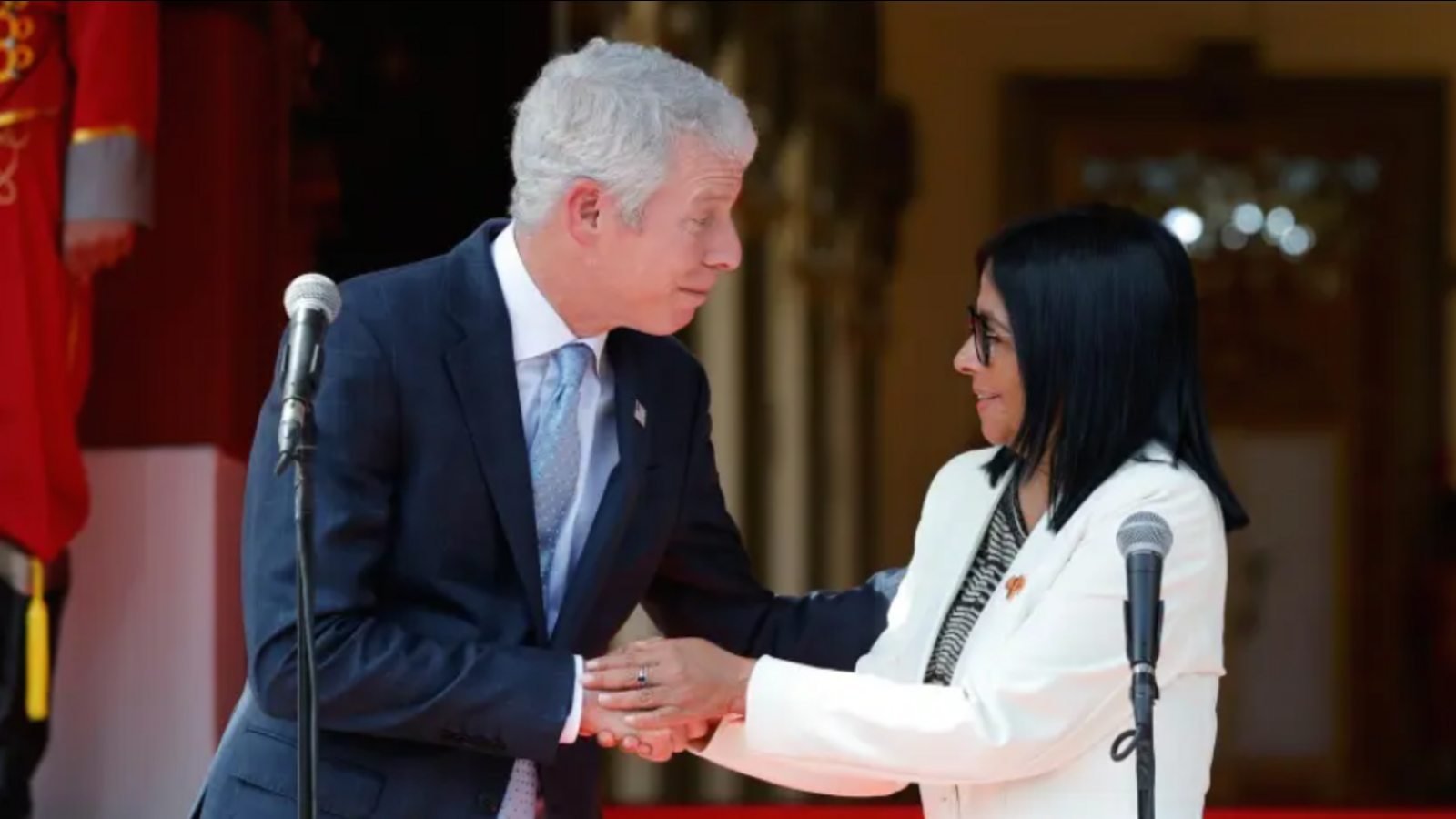
The initiative represents a cornerstone of President Trump’s strategy to leverage Venezuela’s holdings—the largest proven oil reserves in the world—to stabilize U.S. energy markets. During a signing ceremony in Caracas, U.S. Energy Secretary Chris Wright framed the deal as a boon for both nations. “The mission is to bring peace, freedom, opportunity and prosperity to the people of Venezuela,” Wright said, characterizing the investment as a “massive win.”
However, the aggressive push has triggered significant skepticism. Energy analysts argue that Venezuela’s state-run infrastructure is in a state of advanced decay following years of neglect and international sanctions. While Venezuela holds over 303 billion barrels of crude, its current daily output sits at just over 1 million barrels, a fraction of the capacity seen in top producers like Saudi Arabia. Experts suggest that restoring the industry to meaningful productivity could take years of reconstruction.
The deal also faces political headwinds. Critics, including Ian Vásquez of the Cato Institute, have questioned the legitimacy of the agreement, noting that it was reached with an administration that has been widely accused of electoral fraud. Furthermore, the constitutionality of granting North American Blue Energy Partners (NABEP) 100-year rights over vast oil fields remains a point of contention, as the deal bypassed a formal vote in the National Assembly.
While the Trump administration has pointed to the involvement of companies like Chevron as a sign of progress, other major U.S. oil firms remain wary. Exxon Mobil, which saw its assets seized during previous nationalization efforts in Venezuela, has maintained that the country remains “uninvestable.”
As the political and legal debates swirl, the economic reality remains urgent. Despite the promise of future production, the national average price for a gallon of gasoline in the U.S. spiked to $4.12 on Wednesday—nearly a dollar higher than the same time last year. Whether the ambitious Venezuelan venture can eventually provide the relief promised by the White House remains to be seen.
Disclaimer: This content is auto-generated for informational purposes only.
Source: Read Original News