








The Strategic Pivot: Rethinking Financial Integration in BRICS
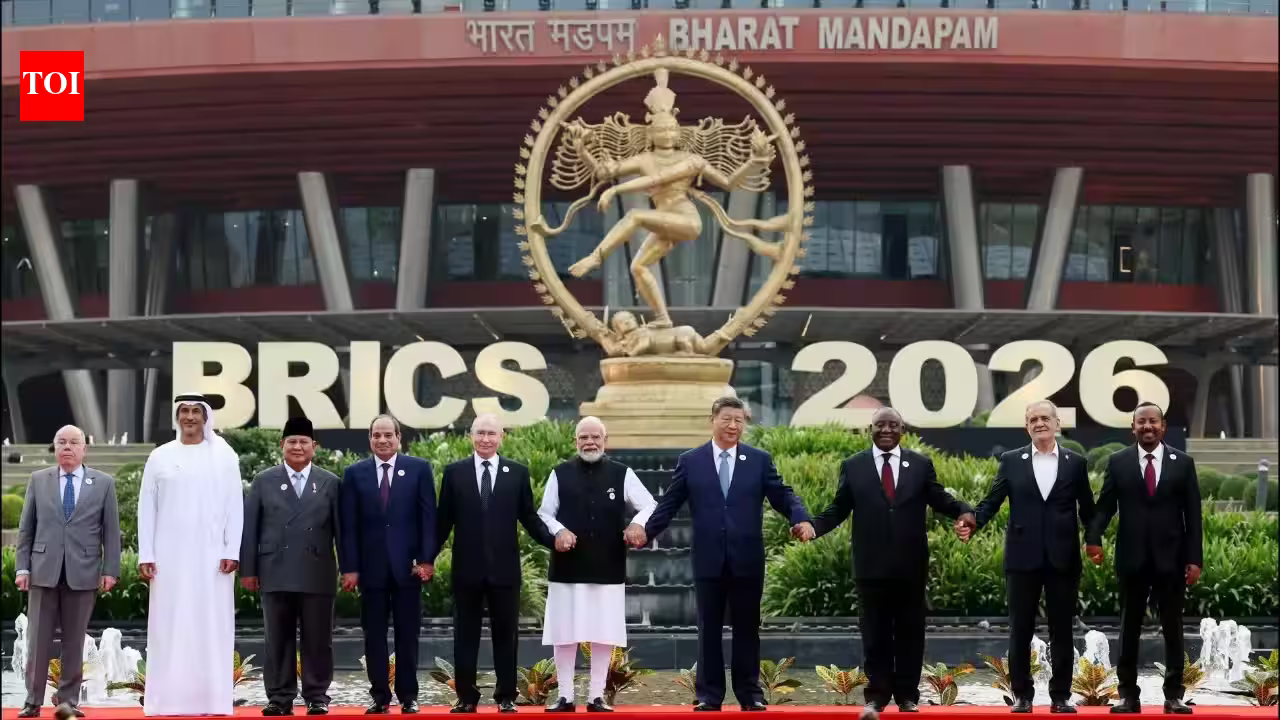
The recent conclusion of the 18th BRICS Summit in New Delhi has brought much-needed clarity to the group’s long-term financial agenda. Amidst widespread speculation regarding the potential launch of a common currency to challenge the hegemony of the US dollar, official communications have decisively recalibrated expectations. By explicitly ruling out the development of a unified BRICS currency at this stage, member nations have signaled a pragmatic approach that prioritizes immediate economic efficiency over abstract geopolitical grandstanding.
For India, this stance represents a calibrated balance between strengthening intra-group cooperation and maintaining its commitment to the global financial architecture. The focus has shifted from the pursuit of a singular currency—a project that would require unprecedented levels of economic convergence and political integration—toward the more achievable goal of enhanced local currency settlements. This evolution acknowledges that while the existing global payment systems are often inefficient and subject to political volatility, they remain the bedrock of international trade. Rather than attempting to dismantle these systems, BRICS is moving toward a strategy of diversification and risk mitigation.
Mechanisms for Efficiency: Reducing Transaction Costs
The core of the current BRICS economic agenda centers on operationalizing local currency settlements to streamline bilateral trade. As noted by the Ministry of External Affairs, this initiative is not a new or radical departure from standard trade practices but rather a scaling up of existing bilateral agreements. When nations trade in their own currencies, they bypass the intermediaries associated with the US dollar, thereby reducing transaction costs linked to currency conversion and exchange rate volatility.
From an Indian business perspective, this transition offers significant potential to improve trade margins. Small and medium enterprises (SMEs) involved in cross-border trade frequently encounter difficulties with high transaction fees and the complexities of dollar-denominated payments. By fostering a framework where payments can be settled in rupees or the currency of a partner nation, Indian businesses can achieve greater predictability in their cash flows. However, this is a complex undertaking that requires robust financial infrastructure, including standardized messaging channels and transparent, secure settlement platforms. The work of the BRICS Payment Task Force (BPTF) is crucial here; it is tasked with ensuring that these digital payment systems are not only cost-effective but also interoperable across the diverse regulatory landscapes of member nations.
Navigating Global Realities and External Pressures
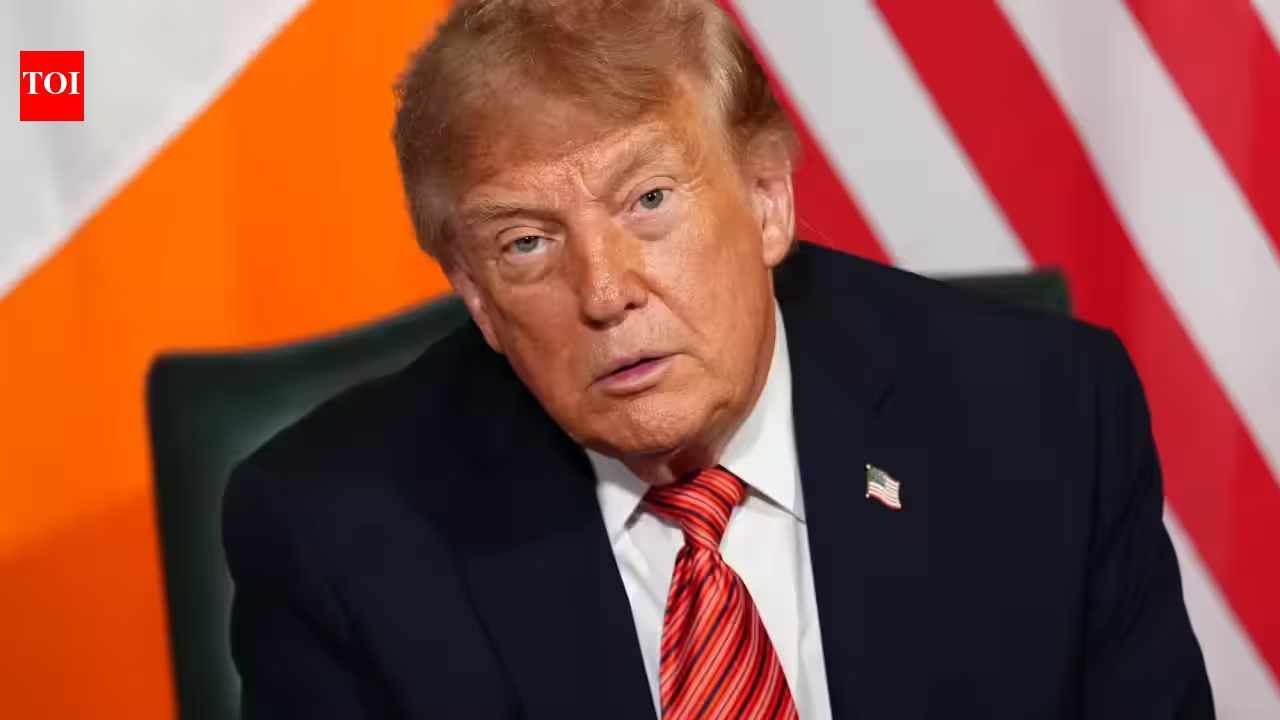
The pursuit of local currency trade has drawn scrutiny from global powers, particularly the United States. Criticism, often framed around the potential erosion of the US dollar’s status, highlights the geopolitical friction that inherently accompanies shifts in financial policy. The warnings of punitive tariffs and the assertion that BRICS seeks to challenge dollar dominance create a challenging landscape for the group. For India, which maintains critical strategic and economic partnerships with both the West and the BRICS bloc, this tension requires a sophisticated diplomatic and economic strategy.
The New Delhi Declaration reflects this reality, emphasizing that there is no “one-size-fits-all” approach to trade settlements. By respecting national priorities, the group avoids imposing rigid mandates that could alienate members with varying degrees of economic openness. This flexibility is essential. India, for instance, maintains a cautious approach to currency internationalization, prioritizing domestic financial stability and the gradual integration of the rupee into global markets. The focus remains on “complementary” solutions—ensuring that local currency mechanisms function as a buffer against shocks rather than as a hostile replacement for existing global infrastructure.
The Role of Development Finance and Institutional Reform
A significant component of the economic discourse at the summit involved the role of the New Development Bank (NDB) in facilitating infrastructure and energy projects. There is a growing consensus among BRICS leaders, including the presidents of Russia and Iran, that the NDB should pivot toward more frequent local-currency lending. This is a critical development for emerging economies. Infrastructure projects often involve long-term investments; when these are denominated in foreign currencies, they expose developing nations to severe debt crises should their own currencies depreciate against the dollar.
By providing loans in local currencies, the NDB can help mitigate these risks, making large-scale projects more viable for private and public sector participation. This strategy also aligns with the broader goal of attracting private capital into sustainable development initiatives. For India, which requires massive investment in green energy and digital infrastructure, an empowered NDB that can effectively utilize local currency funding is a vital institutional asset. It provides an alternative financing channel that is shielded from the political volatility often associated with traditional international lenders.
Trade Barriers and the Multilateral Framework
Beyond currency and payment systems, the New Delhi Declaration sent a strong message regarding the protectionist trends currently plaguing the global economy. The proliferation of unilateral tariffs and non-tariff measures has created a climate of uncertainty, undermining the stability required for long-term supply chain planning. BRICS nations have explicitly opposed measures like carbon border adjustments, which they argue can act as disguised protectionism that unfairly burdens the development trajectories of the Global South.
India, as the host of the 2026 chairship, has championed the need for a non-discriminatory and transparent multilateral trading system. The grouping’s demand for the restoration of the World Trade Organization’s (WTO) dispute settlement mechanism is not merely symbolic; it is a plea for a rules-based order that prevents powerful economies from unilaterally imposing their will on the global market. For the Indian business community, the stability of the rules-based order is non-negotiable. As the nation aims to integrate further into global value chains, it requires a predictable international environment where dispute resolution is governed by law, not by the shifting geopolitical preferences of major players.
Looking Ahead: Resilience through Cooperation
The eight-month period of intensive collaboration leading up to the summit—encompassing hundreds of working groups and business sessions—demonstrates that the substance of BRICS lies in its technical and sectoral cooperation rather than in unified policy declarations alone. The emphasis on “Building for Resilience, Innovation, Cooperation and Sustainability” provides a framework for future engagement that is grounded in practical realities.
In the years ahead, India’s approach within BRICS will likely remain focused on leveraging the bloc to drive domestic growth while pragmatically navigating global economic constraints. By focusing on cross-border payment interoperability, reducing transaction costs, and strengthening institutional funding through the NDB, the grouping is evolving into a more functional mechanism for regional and global cooperation. As the global economic landscape remains fractured, the commitment to dialogue and the peaceful resolution of differences, as underscored in the summit, remains the most important asset for India and its partners. The path forward is not through the creation of a disruptive, alternative monetary system, but through the patient, incremental improvement of the mechanisms that define how nations conduct trade and manage economic risk.
Disclaimer: This content is auto-generated for informational purposes only.
Source: Read Original News