








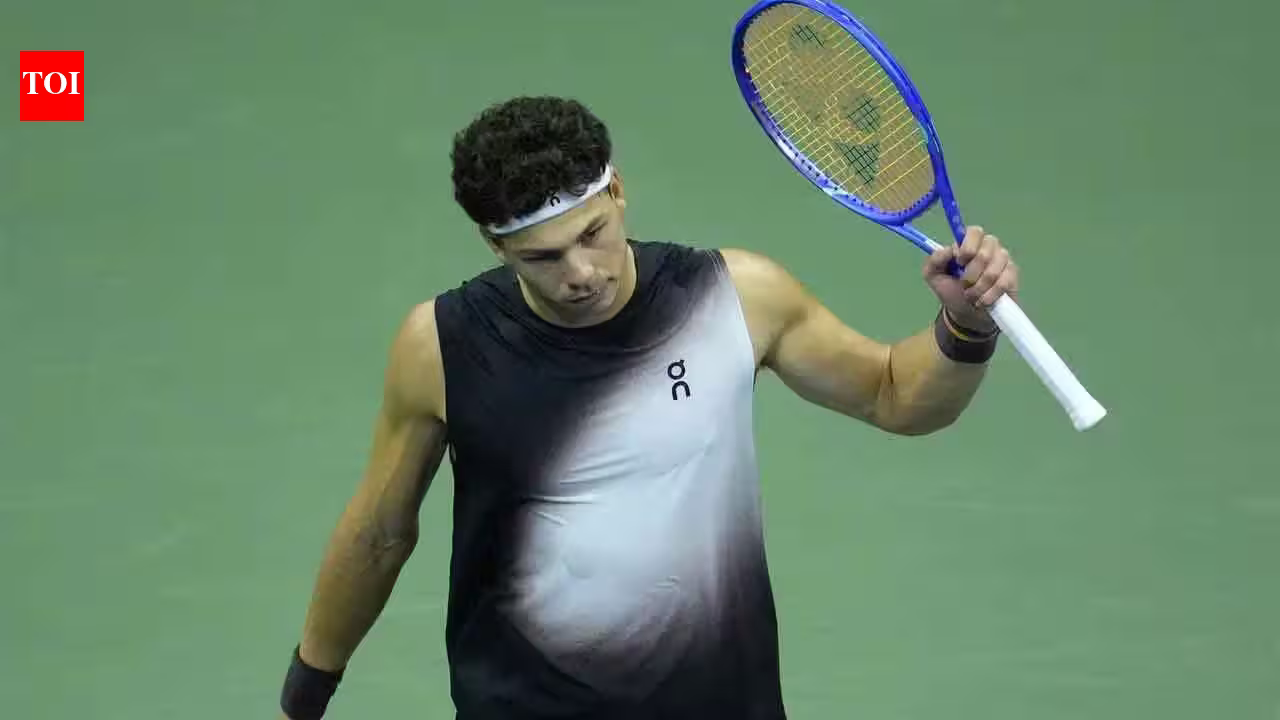
NEW YORK CITY: For Ben Shelton, the concrete jungle of New York has become a landscape of transformative firsts. As the summer heat fades at the USTA Billie Jean King National Tennis Center, the 23-year-old phenom stands on the precipice of history. On Sunday, under the bright lights of Arthur Ashe Stadium, Shelton will step onto the court for his maiden Grand Slam final, carrying not just the hopes of a nation, but the weight of a historic legacy.
When he faces top-seeded Alexander Zverev, Shelton will become the first Black man to play in a US Open final since 1972. Beyond the personal milestone, the stakes are framed by a quarter-century of domestic longing: Shelton is chasing the first US Open title by an American man since Andy Roddick hoisted the trophy in 2003, and the first by a Black man since the legendary Arthur Ashe in 1968.
## A Legacy of Excellence
Tennis excellence runs deep in the Shelton household. His father, Bryan Shelton, a former tour professional, carved his own place in the record books in 1991 when he became the first Black American man to win an ATP Tour title since Arthur Ashe in 1978. Now, watching from the player’s box, the elder Shelton sees his son standing at the threshold of a breakthrough that would eclipse those statistics and cement Ben’s status as the new face of American tennis.
Despite the heavy narrative surrounding the match, Shelton remains remarkably poised. He is keenly aware of the gravity of the occasion, but he is equally determined to keep his feet firmly planted on the baseline.
“I think for me, I’ve got great people around me that keep me grounded and focused and humble,” Shelton noted during his pre-match press conference. “These moments I want to cherish, I don’t want to take lightly. But at the same time, it’s very business-like the way I’ve been going about it.”
## The Evolution of a Competitor
The Shelton of 2024 is a far cry from the raw, explosive talent that first turned heads with a blistering serve and instinctive, high-risk shot-making. That earlier version of the lefty relied heavily on athleticism; the current version relies on an intricate, holistic approach to professional sports.
“It’s emotions. It’s the way that I train. It’s how I practice. It’s then the way that I compete, how focused can I stay. It’s sleeping habits, eating habits, everything,” Shelton explained when asked about his transformation.
While he has always possessed the work ethic required of an elite athlete, Shelton believes the current iteration of his game is defined by meticulous attention to detail. He is no longer just playing tennis; he is managing a professional career with the precision of a veteran. “I’m the most committed that I’ve ever been to my tennis career, to being the very best version of myself,” he added.
## Overcoming the Odds
That commitment has been thoroughly stress-tested throughout this fortnight in New York. Shelton’s path to the final was anything but straightforward. He has navigated a gauntlet of opponents who previously held his number, systematically dismantling the psychological barriers that often plague young players.
Against Stefanos Tsitsipas and Carlos Alcaraz, and in a high-stakes rematch against rival Frances Tiafoe, Shelton found ways to adapt when the statistics suggested he was at a disadvantage. He has moved from being a player who relied on “what if” to one who dictates the terms of the match.
However, Sunday presents perhaps his most significant puzzle yet. Alexander Zverev enters the final with a dominant 5-0 record against the American, who has failed to secure more than a single set in any of their previous five encounters. It is a daunting statistic, but Shelton is unfazed.
“I’m a different player,” Shelton said, radiating a quiet confidence. “I feel like I have so many more tools. I am comfortable in my own skin, and I know what it takes for me to be playing top-level tennis.”
## Dialled In for Sunday
The beauty of the Grand Slam final, as Shelton observes, is that the buildup matters far less than the sixty minutes of play, the strategic adjustments, and the ability to solve problems on the fly. He acknowledges that perfection is an illusion, even for the top seeds, and he expects a high-level chess match against Zverev.
“I’m looking forward to the challenge, being able to problem-solve on Sunday,” he said. “I know what I’m up against, and I’m also the most confident I’ve ever been in my game.”
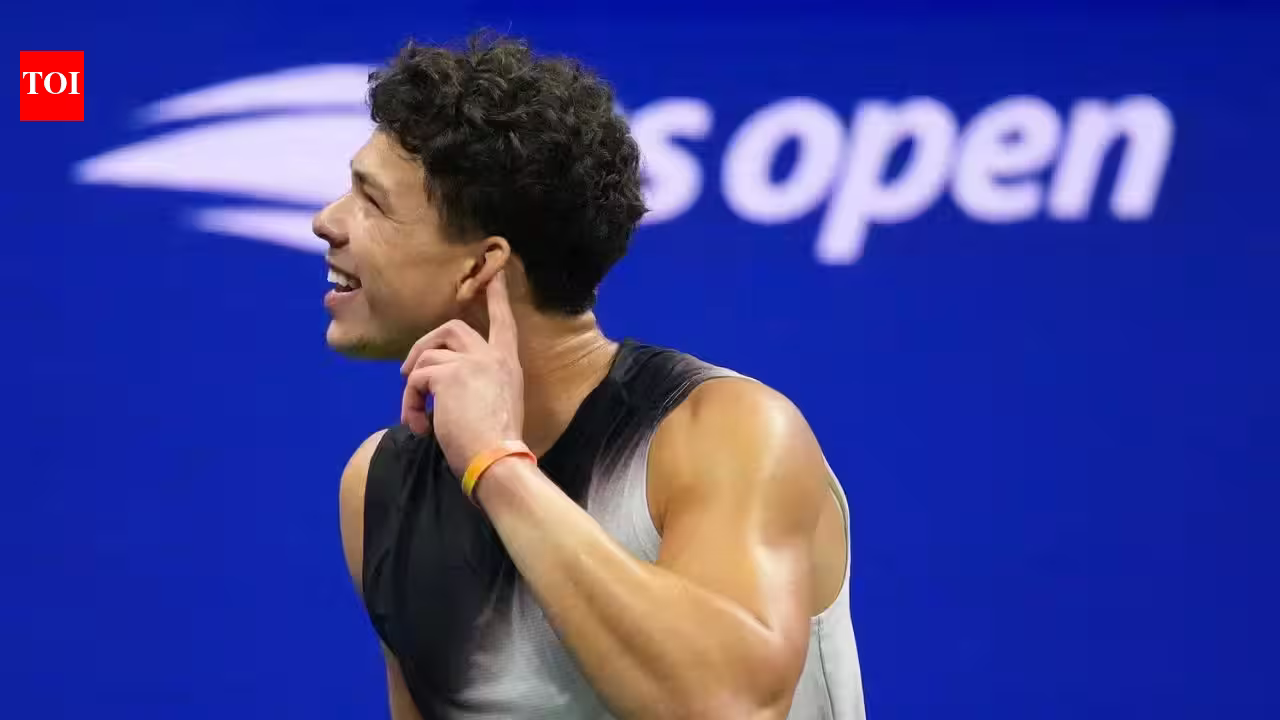
As he prepares to walk out onto the court, the signature celebration he has popularized—the telephone hand gesture—serves as a reminder to fans and opponents alike. For Ben Shelton, the noise of history, the expectations of the home crowd, and the pressure of the final are all secondary. He is, by all accounts, completely dialled in.
Disclaimer: This content is auto-generated for informational purposes only.
Source: Read Original News