








New Delhi Declaration 2026: BRICS Nations Push for Local Currency Settlements and Trade Reform
NEW DELHI – On the opening day of the 18th BRICS summit, leaders from the member nations unanimously adopted the “New Delhi Declaration 2026,” a landmark 45-page document that sets the stage for a significant shift in global economic cooperation. The agreement marks a decisive move toward reducing dependency on traditional global payment systems by championing the expansion of trade and financial settlements in national currencies.
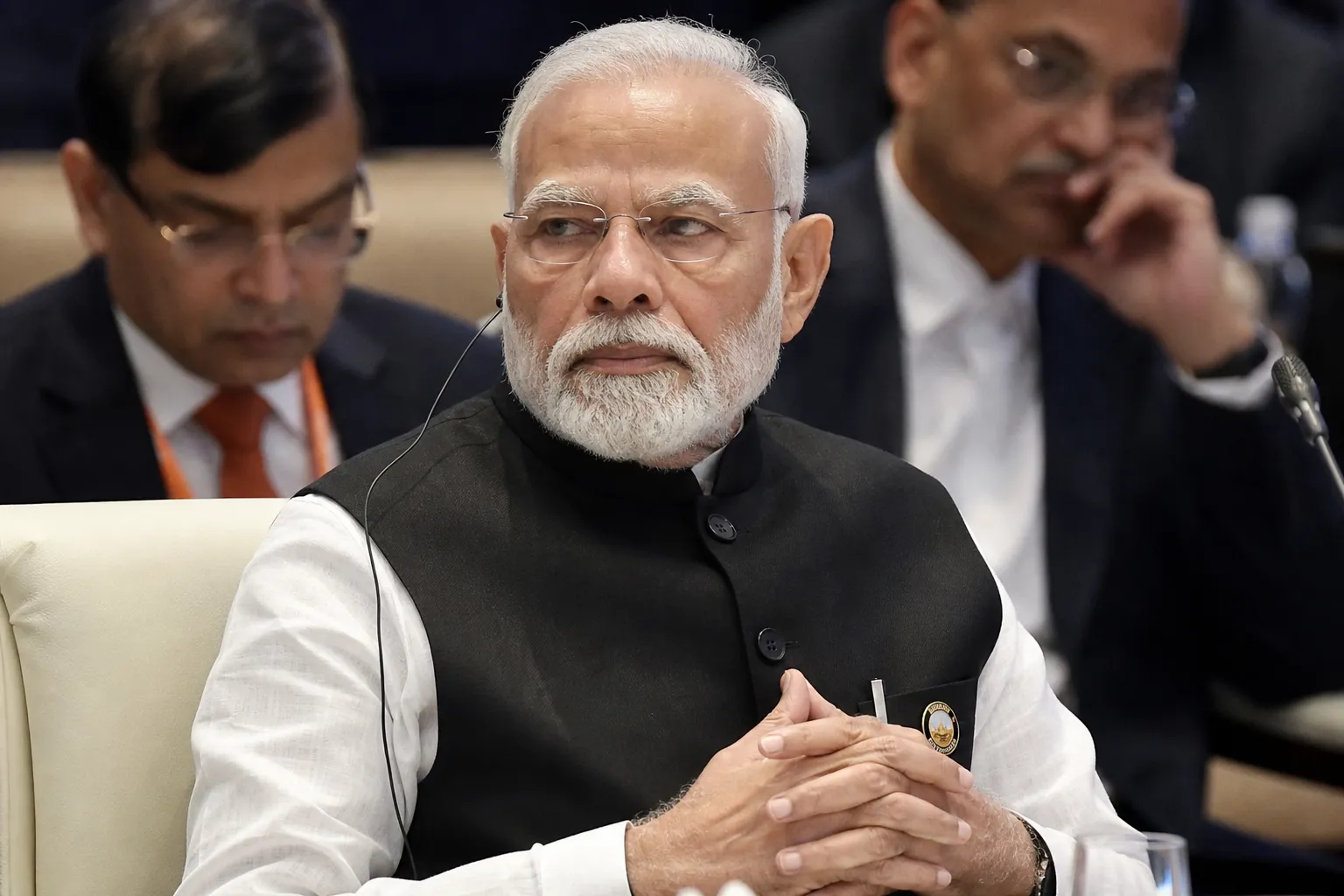
Indian Prime Minister Narendra Modi confirmed the consensus, stating that every participating state supported the text without objection. The declaration highlights the work of the BRICS Payments Working Group, which has been tasked with evaluating the interoperability of cross-border payment channels and secure messaging systems to facilitate seamless trade and investment flows among members.
Prioritizing Efficient Payment Mechanisms
The summit participants have directed the Payments Working Group to accelerate efforts in developing payment systems that are not only faster and lower in cost but also more transparent and accessible. The declaration underscores that there is no “one-size-fits-all” model for these financial arrangements; rather, the mechanisms must respect the specific national priorities and sovereign economic frameworks of each member state.
In his opening address, Prime Minister Modi sought to lower the political temperature surrounding the initiative, emphasizing that the BRICS grouping “is not directed against anyone.” This statement came against the backdrop of recent threats from U.S. President Donald Trump, who had warned the bloc against attempting to sideline the dollar, suggesting potential 100-percent tariffs for those who “play games” with the greenback.
Addressing Protectionism and Sanctions
While the New Delhi Declaration does not explicitly name the United States or President Trump, the document contains sharp criticism regarding the current state of global trade policy. The authors voiced deep concern over the proliferation of unilateral tariff and non-tariff measures, labeling them inconsistent with World Trade Organization (WTO) rules.
The declaration specifically warns against the use of indiscriminate tariff hikes and protectionist measures—including those justified under environmental pretexts—arguing that such actions threaten the stability of global supply chains. Furthermore, the BRICS nations issued a strong condemnation of unilateral coercive measures, including secondary economic sanctions. They urged for the abolition of such practices, maintaining that they contradict international law and hinder equitable global economic development.
The document also signaled clear opposition to unilateral punitive measures, such as carbon border charges, which members perceive as discriminatory.
A Complex Diplomatic Compromise
Analysts observing the summit have described the declaration as a delicate compromise. Coordinating the text required extensive negotiation, particularly regarding the ongoing conflict in West Asia—a sensitive topic given the diverse geopolitical stances of BRICS members, which now include Iran and the United Arab Emirates.
By balancing the diverging interests of its members while asserting a collective desire for financial autonomy, the BRICS bloc has signaled its intent to carve out a more independent role in the global financial order. As the summit continues, the focus will likely remain on how effectively these nations can operationalize their vision for a multi-polar, non-dollar-centric trading system without triggering broader international volatility.
Disclaimer: This content is auto-generated for informational purposes only.
Source: Read Original News