








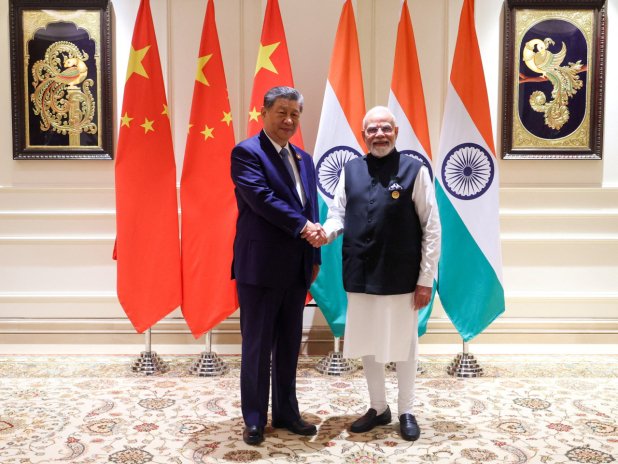
New Delhi: A New Chapter in India-China Ties as Xi Jinping Emphasizes Strategic Cooperation at BRICS Summit
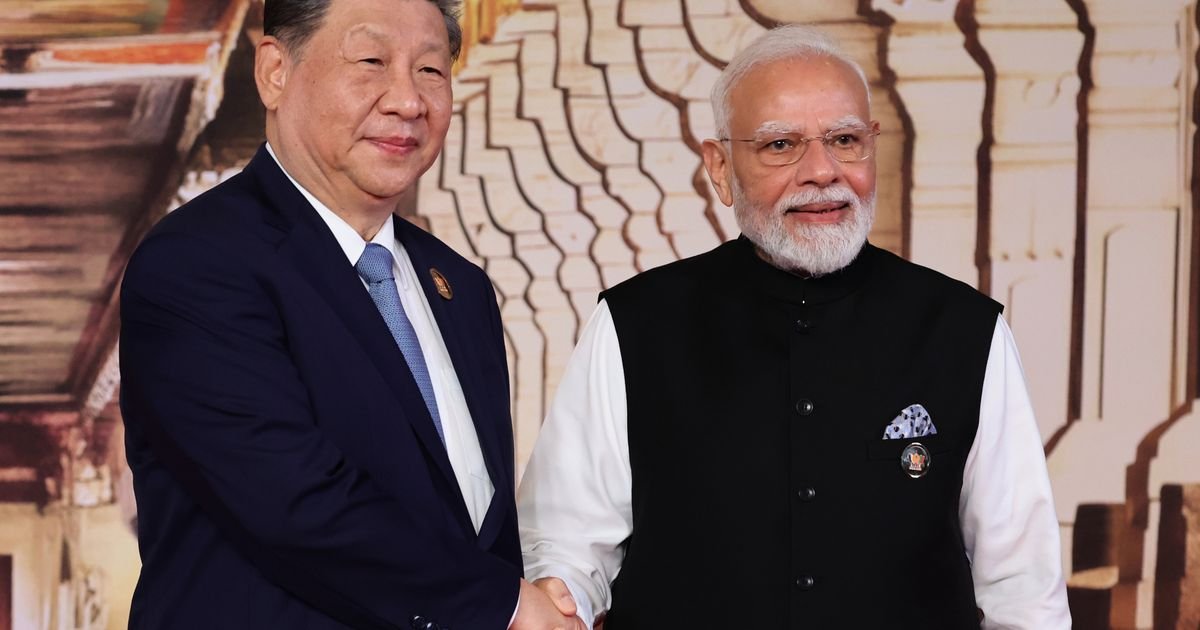
In a significant diplomatic engagement, Chinese President Xi Jinping held high-level discussions with Prime Minister Narendra Modi on the sidelines of the BRICS summit in New Delhi this Saturday. Marking his first visit to India in seven years, President Xi used the platform to call for a renewed focus on bilateral cooperation, urging both nations to look beyond historical frictions and “keep the future of humanity in mind.”
The summit, which brings together the 11-nation BRICS bloc—now representing over 40 percent of the global population and nearly a quarter of the world’s economic output—served as the backdrop for what officials described as a constructive dialogue between the two Asian giants.
A Shared Responsibility on the Global Stage
During the meeting, President Xi stressed that Beijing views its relationship with New Delhi through a long-term, strategic lens. Addressing the current geopolitical environment, which is characterized by shifting alliances and economic instability, Xi highlighted the unique burden placed on India and China.
“In the face of a complex international landscape marked by intertwined changes and challenges, China and India, as the world’s two most populous countries and important members of the Global South, shoulder significant responsibilities,” the Chinese President remarked. He further advocated for an “equal and orderly multipolar world,” emphasizing that both nations must push for an inclusive model of economic globalization to foster peace and prosperity across the developing world.
Strengthening the Bilateral Partnership
The meeting underscored a warming trend in the relationship between the two neighbors. After years of strained discourse and border tensions, the recent period has seen a steady normalization of ties. This thaw is clearly visible in the resumption of direct flight connectivity, the easing of visa processes, and a robust schedule of high-level diplomatic exchanges. Prime Minister Modi’s successful visit to China last year acted as a primary catalyst for this recent uptick in bilateral trust.
State media agency Xinhua reported that both leaders arrived at a consensus regarding the future trajectory of the relationship. There was a mutual acknowledgment that despite past differences, India and China must act as partners to stabilize the regional order and influence the global agenda. By aligning their efforts within the BRICS framework, the two countries aim to provide a counterbalance to Western-led economic institutions, positioning themselves as the primary drivers of growth for the Global South.
Looking Ahead: The BRICS Impact
As the summit proceeds, the focus remains on how the India-China bilateral dynamic will influence the broader BRICS agenda. With the inclusion of new member states, the bloc is increasingly viewed as a formidable geopolitical entity. For New Delhi, the dialogue with Beijing is not merely about trade or border management; it is a calculated move to ensure that India remains a central player in a changing global architecture.
Political analysts note that the rhetoric emerging from this meeting signifies a pragmatic shift. By emphasizing the “positive energy” that cooperation between the two nations can generate, both New Delhi and Beijing are signaling to the international community that their collaboration is essential for addressing climate change, food security, and digital infrastructure in the 21st century.
As the summit continues, all eyes will be on whether this high-level momentum translates into long-term policy shifts that can effectively navigate the complexities of the Asia-Pacific region.
Disclaimer: This content is auto-generated for informational purposes only.
Source: Read Original News